Lead Hook
Hyundai Motor America announced its strongest first half ever – 450,568 vehicles sold in the United States, a 3.0 percent rise over the same period last year. On paper, that sounds like a triumph, especially as the company claims electrified models now make up roughly one‑third of its sales. Yet the same data reveal that the bulk of that surge comes from hybrids, while pure‑electric vehicles (EVs) account for barely 6 percent of the total. The split raises questions about how sustainable Hyundai’s growth really is in a market that’s tightening emissions rules and rewarding zero‑emission vehicles.
Deep Dive
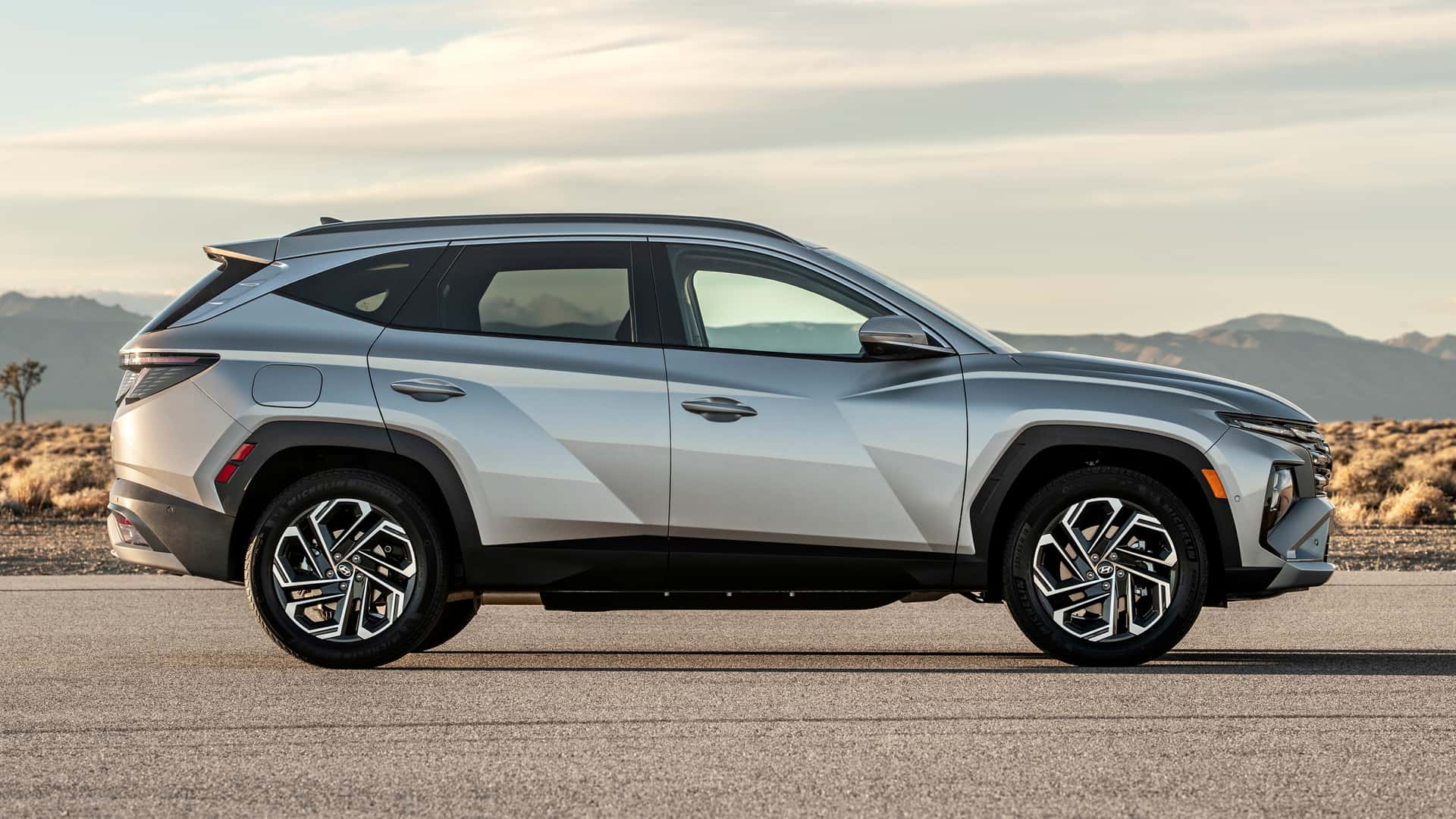
According to Motor1, Hyundai sold 77,555 units in June 2026, an 11.0 percent year‑over‑year increase, and 245,180 units in the second quarter, up 4.0 percent. Those numbers pushed the first‑half total to 450,568 units – the best in company history. The headline‑grabbing growth, however, is concentrated in the company’s hybrid lineup. In June alone, the Santa Fe Hybrid rose 12.0 percent, the Tucson Hybrid 14.0 percent, and the Sonata Hybrid exploded 246.0 percent. Across the month, Hyundai’s hybrids grew 74.0 percent versus June 2025; the trend held for the quarter (71.0 percent) and the half‑year (67.0 percent).
The company bundles hybrids, plug‑in hybrids and EVs under the umbrella of “electrified” vehicles, stating they now represent 33.0 percent of U.S. sales. Independent outlets have echoed that figure, confirming that Hyundai’s electrified share is approaching a third of its total volume. Yet when the EVs are isolated, the picture changes dramatically. Motor1 notes that only the Ioniq 5, Ioniq 6 and Ioniq 9 contribute 26,829 units – roughly 5.9 percent of overall sales. The Ioniq 6, which was discontinued (aside from the performance‑focused Ioniq 6 N), fell 80 percent year‑over‑year, while the Ioniq 5 managed a modest 9.0 percent rise to 20,730 units despite the loss of the federal tax credit. The newer Ioniq 9 surged 380 percent, but its absolute volume remains low at 4,858 units.
Why does the hybrid surge matter? Hybrids still rely on internal‑combustion engines (ICE) for the majority of their power, meaning they are less dependent on the battery supply chain constraints that have plagued pure‑EV manufacturers. Hyundai’s ability to push hybrids without expanding its EV lineup suggests a strategic bet on a lower‑cost, lower‑risk path to meet near‑term consumer demand and regulatory fuel‑economy standards. However, the U.S. market is increasingly rewarding zero‑emission vehicles through incentives, preferential dealership placement, and upcoming fleet‑average CO₂ mandates. If policy shifts further toward full electrification, a portfolio weighted toward hybrids could become a liability.
From a capital‑efficiency standpoint, hybrids allow Hyundai to leverage existing ICE production lines and supplier relationships while still advertising an “electrified” badge. The modest EV share means the company avoids the heavy upfront investment required for new battery‑pack manufacturing and dedicated EV platforms. Yet that same avoidance could erode long‑term competitiveness as rivals double down on dedicated EV architectures that promise higher margins and better scalability. The discontinuation of the Kona Electric for 2026, coupled with the scaling back of the Ioniq 6, hints that Hyundai may be reallocating resources away from pure EVs toward hybrid development.
The market’s reaction is already visible. Analysts have pointed to Hyundai’s hybrid success as a possible model for other manufacturers, noting Toyota’s recent move to make certain models hybrid‑only. Motor1’s editorial comment suggests Hyundai might follow a similar path, leveraging the proven demand for hybrids to sustain sales while the EV ecosystem matures.
In short, Hyundai’s record H1 numbers are a double‑edged sword: they showcase a winning formula for the short term, but the underlying reliance on hybrids raises strategic questions about how the company will navigate an accelerating shift toward zero‑emission mandates.
Audit & Contradictions
The announcement leaves several critical details unaddressed. First, the 33 percent electrified‑vehicle share is presented without a breakdown between hybrids and pure EVs, obscuring the fact that EVs alone are only about 6 percent of total sales. Second, the company provides no guidance on future EV model rollouts, especially after the decision to skip the Kona Electric for 2026. Third, while Motor1 reports the specific growth percentages for individual hybrids, no independent outlet has verified those figures; they remain single‑source claims and should be treated with caution. The fact‑check summary notes that the electrified‑vehicle share is corroborated by other news outlets, but all other statistics – H1 total units, June and Q2 sales, model‑by‑model hybrid growth, and EV unit counts – appear only in the Motor1 piece. No contradictions were identified, and the overall contradiction level is low.
Future Outlook
Hyundai’s hybrid‑centric momentum may force competitors to reconsider the balance of their own lineups. If Hyundai can sustain growth with a hybrid‑heavy mix, rivals might be tempted to delay costly EV platform investments. However, regulators in the United States are tightening CO₂ targets for fleet averages, and several states are moving toward bans on new ICE sales by 2035. In that environment, a portfolio that leans heavily on hybrids could face diminishing returns.
Investors and analysts will likely watch Hyundai’s next product announcements closely. A resurgence of dedicated EV models—or a clear roadmap for expanding the Ioniq family—could signal that the company intends to transition beyond hybrids before policy pressures make that shift inevitable. Conversely, a continued focus on hybrids without significant EV expansion could expose Hyundai to a future where its “electrified” label no longer satisfies consumer or regulatory expectations.
For the broader market, Hyundai’s performance underscores a transitional phase in U.S. automotive sales: hybrids are currently the workhorse of growth, but pure EVs are still a small slice of the pie. The next few years will reveal whether that slice expands rapidly enough to meet climate goals, or whether manufacturers like Hyundai will need to accelerate EV rollouts to stay competitive.