Lead Hook
When Rolls‑Royce unveiled the one‑off Phantom Regatta at the Goodwood Festival of Speed, the automotive world focused on its nautical paint scheme and V12 powerplant. Yet the real story lies beneath the glossy finish: a labor‑intensive, hyper‑customised product that signals how ultra‑luxury brands are banking on craftsmanship to sustain margins as volume sales flatten and emissions regulations tighten.
Deep Dive
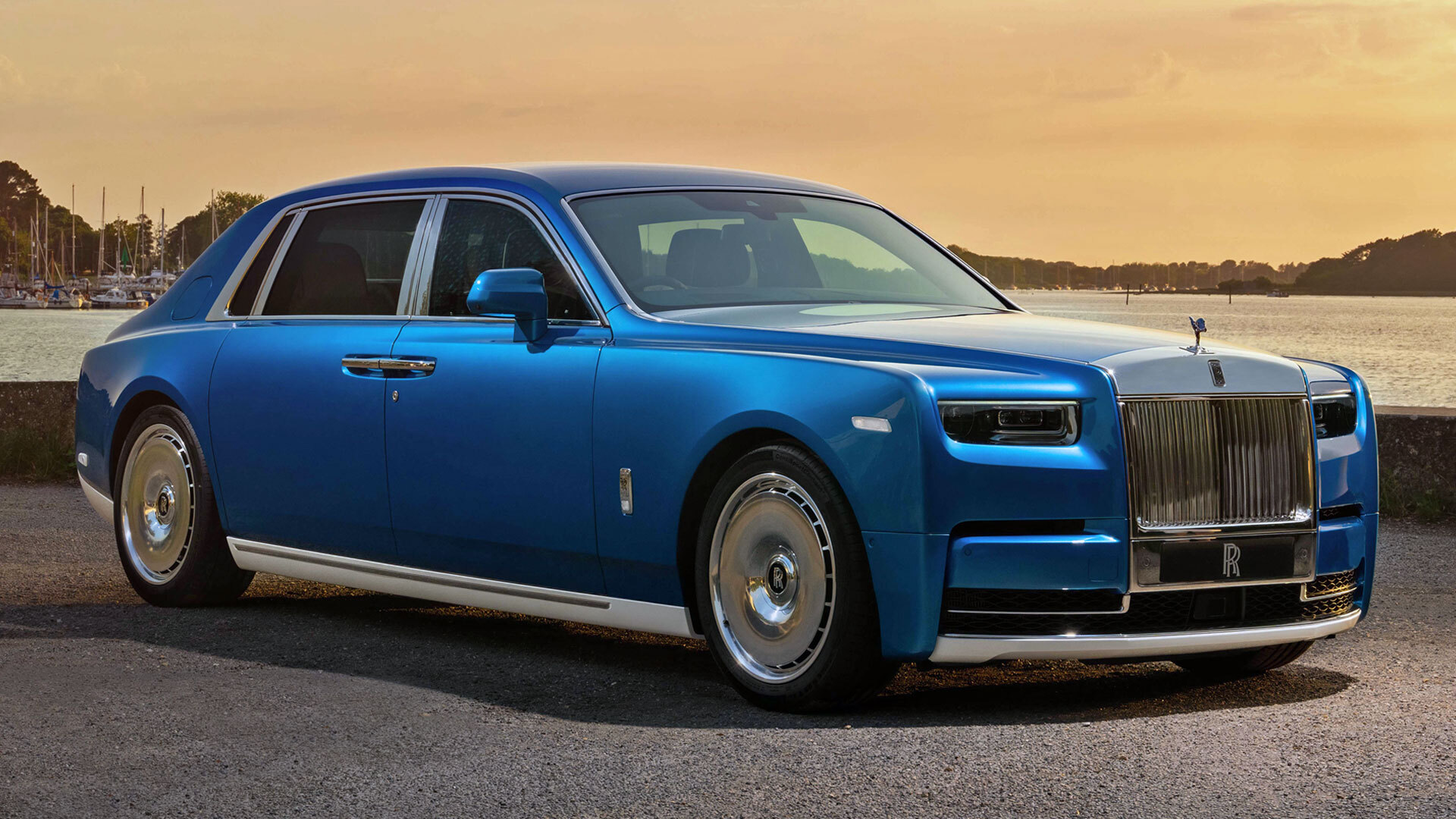
According to Carscoops, the Phantom Regatta is built on the Phantom Extended platform, measuring 235.5 inches (5,982 mm) – almost a foot longer than a Cadillac Escalade ESV. Its exterior carries a two‑tone palette of Regatta Blue and English White, a hand‑laid finish that the source says “recalls the line where a yacht’s hull meets the water.”
“recalls the line where a yacht’s hull meets the water.” – Rolls‑Royce styling teamThis visual cue is more than aesthetic; it underscores a strategic emphasis on heritage storytelling, a hallmark of Rolls‑Royce’s brand DNA.
Under the hood, the Regatta retains the brand’s twin‑turbo 6.75‑liter V12, delivering 563 hp (420 kW) and 664 lb‑ft (900 Nm) of torque. The powertrain propels the car from 0‑60 mph in 5.2 seconds and tops out at 155 mph, figures corroborated by multiple outlets reporting on the debut. While these performance numbers are impressive, they also highlight a growing tension: a V12 engine sits at odds with Europe’s increasingly stringent CO₂ limits for luxury vehicles.
The interior is where the Regatta’s bespoke ambition truly surfaces. The primary source reports that the driver’s cabin is wrapped in Navy Blue leather, contrasted with Grace White stitching and a two‑tone steering wheel. A hand‑painted Gallery titled “Watercolour” was developed using a new blending technique that the source describes as “refined over two weeks across numerous test panels.” The rear passenger area features Grace White seats with Navy Blue piping, a chevron‑patterned wood‑trimmed centre console, and – perhaps the most striking – picnic tables designed to mimic a yacht deck. Each table reportedly required about 120 hours to craft, using 16 planks of Royal Walnut and thin strips of Black Bolivar.
Lighting plays a symbolic role, too. The Regatta’s bespoke Starlight Headliner contains 1,307 fiber‑optic stars meant to evoke the tidal currents around the Isle of Wight. Illuminated door panels and 22‑inch polished disc wheels – described as a nod to yacht winches – complete the maritime motif. All of these details are reported solely by the primary source, suggesting a level of hand‑craft that cannot be mass‑produced.
From a supply‑chain perspective, the Regatta’s construction demands a blend of traditional coach‑building skills and specialized material sourcing. Royal Walnut, Black Bolivar, and the bespoke paints are not typical automotive commodities; they require artisanal sourcing, bespoke tooling, and extended hand‑assembly time. This creates a high‑cost, low‑volume model that can command premium pricing but is not scalable. For Rolls‑Royce, the strategy is clear: leverage the exclusivity of such one‑offs to reinforce the brand’s ultra‑luxury positioning, while the bulk of its revenue continues to rely on the Phantom’s standard production line.
Regulatory pressure adds another layer. The V12’s emissions profile, while acceptable for a limited‑run bespoke vehicle, could become a liability if Rolls‑Royce were to broaden similar powertrains across its lineup. The industry is already seeing a shift toward electrification, with the Spectre II’s 8,108 tiny lights hinting at future design language that can be achieved without internal‑combustion engines. The Regatta, therefore, stands as a transitional showcase – a final salute to the brand’s combustion heritage before a full pivot to electrified luxury.
Audit & Contradictions
The core specifications – one‑off status, Goodwood debut, length, exterior theme, and V12 powertrain – are corroborated by other automotive outlets, confirming the factual backbone of the announcement. However, the granular interior details – the Navy Blue leather, Grace White stitching, hand‑painted “Watercolour” Gallery, 120‑hour picnic tables, 1,307‑star headliner, illuminated door panels, and the 22‑inch polished disc wheels – appear only in the primary source. According to the fact‑check audit, these are single‑source claims and should be treated as the source’s own reporting rather than independently verified facts.
There are no contradictions identified across the sources; the contradiction level is reported as “Low.” Nonetheless, the absence of independent confirmation on the bespoke interior elements means readers should view those specifics as the brand’s narrative rather than universally accepted data.
Future Outlook
Rolls‑Royce’s Regatta illustrates a broader trend among ultra‑luxury manufacturers: using one‑off, labor‑heavy projects to showcase craftsmanship, justify price premiums, and maintain brand cachet in a market where traditional volume growth is limited. Competitors such as Bentley and Aston Martin are likely to double‑down on bespoke offerings, but they will also need to balance the escalating costs of artisanal production against the looming pressure to electrify.
For regulators, the Regatta poses a nuanced challenge. While the vehicle’s limited production run may exempt it from strict emissions caps, the visibility of a V12‑powered luxury car at a high‑profile event could influence public perception of what constitutes acceptable luxury performance. As European policy continues to tighten CO₂ limits, manufacturers may find themselves forced to transition these bespoke experiences to electric platforms, preserving the craftsmanship while shedding the carbon‑intensive powertrain.
In the short term, the Regatta will serve as a halo model, reinforcing Rolls‑Royce’s reputation for unrivaled customization. In the longer view, it may become a benchmark for how luxury automakers negotiate the trilemma of heritage, profitability, and sustainability.