Lead Hook
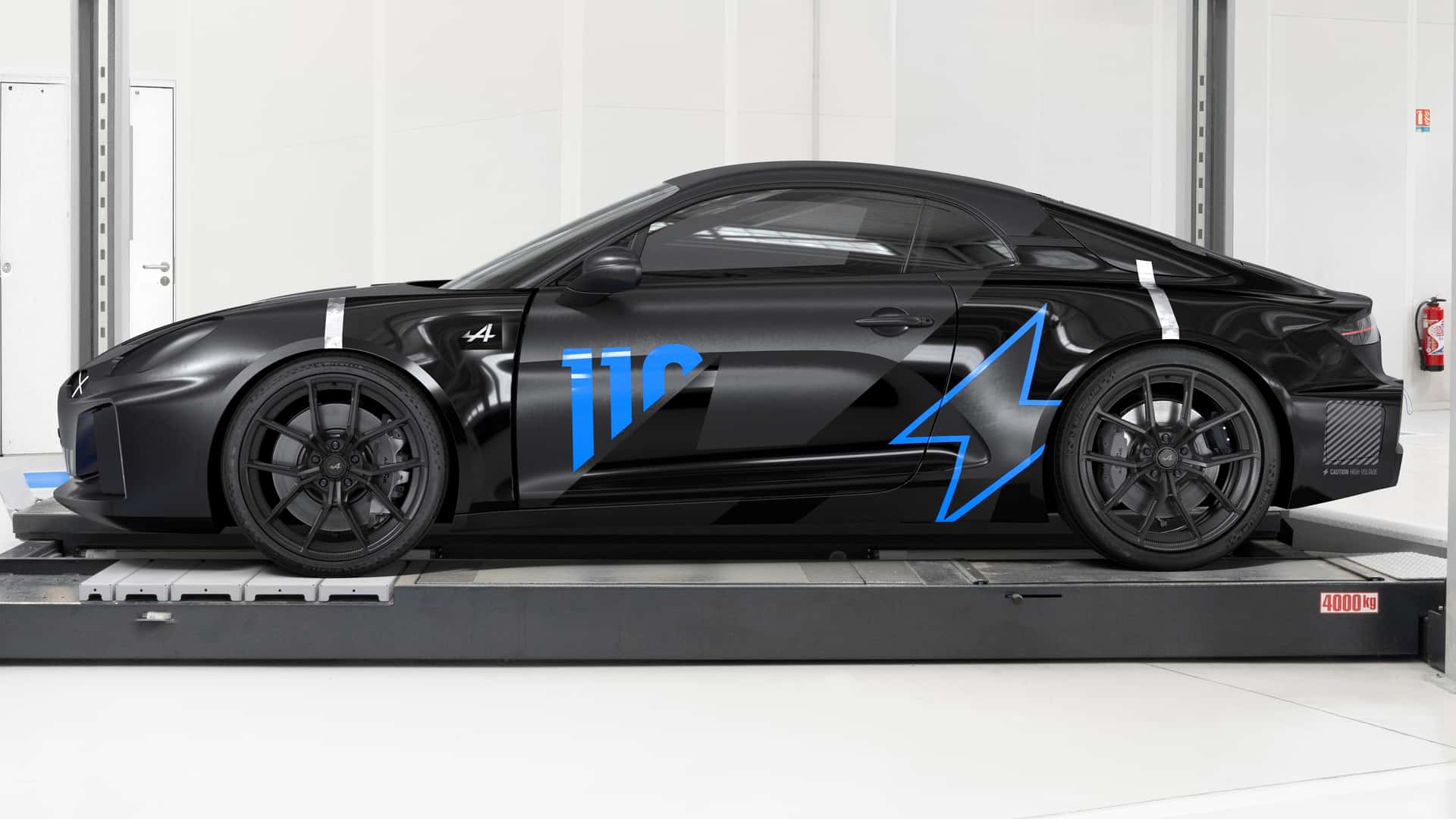
Alpine is positioning its next‑generation A110 as the "world's first true EV sports car," a claim that reaches beyond a simple model refresh. If the French marque can deliver electric performance without sacrificing the feather‑light character that defined the original 1969 rally legend, it could rewrite the rulebook for niche sports cars. Yet the very engineering choices Alpine touts – a split‑battery pack, 800‑volt system, and silicon‑carbide inverter – hint at a weight penalty that may undercut the very DNA the brand has cultivated for decades.
Deep Dive
According to the source article on Motor1, the A110 Future is a development mule that abandons the turbocharged 1.8‑liter gasoline engine of the current model. Instead, Alpine installs a rear‑wheel‑drive layout with two electric motors and a split‑battery architecture designed to achieve a 40:60 weight distribution. The batteries are placed rear‑mounted in two separate packs, a layout Alpine says helps balance the car while keeping the chassis dynamics familiar to fans of the legacy A110.
The source adds that the pack uses high‑energy‑density cells, which “shouldn’t be excessively heavy,” but also concedes that the new A110 will unlikely match the predecessor’s curb weight of 1,102 kg (2,430 lb). To mitigate the added mass, Alpine is leaning heavily on an aluminum‑intensive platform, a fully aluminum suspension, and a cell‑to‑pack design that integrates cells directly into a single large pack. The powertrain runs on an 800‑volt electrical architecture and incorporates a silicon‑carbide (SiC) inverter, a component touted for greater efficiency, higher power density, and lighter weight compared with traditional silicon inverters.
From a performance narrative standpoint, Alpine claims the dual‑motor setup will deliver “exceptional torque and performance” and aims to “outperform the best of today's combustion sports cars.” The company also teases an upcoming larger 2+2 model that would revive the A310 nameplate, suggesting a broader strategy to extend the EV sports‑car platform beyond the two‑seater niche.
Production history provides context for the stakes involved. The source notes that 35,450 A110s have been built since the original 1969 launch, with the bulk belonging to the second generation that debuted in 2017. The final unit of that generation – the 28,701st car – rolled off the Dieppe line just days before the new development mule was unveiled. Alpine plans to publicly debut the A110 Future at the 2026 Goodwood Festival of Speed and target a market launch in 2027.
While the technical disclosures are detailed, they also raise unanswered questions about feasibility. High‑voltage 800‑V systems require specialized charging infrastructure, and SiC inverters, while more efficient, remain costlier than legacy silicon solutions. The split‑battery layout may improve weight balance, but it also adds packaging complexity and potential thermal management challenges. For a brand whose historic advantage has been low mass, the shift to a heavier electric architecture could erode the driving feel that enthusiasts prize.
Audit & Contradictions
The announcement leaves several key data points unaddressed. Alpine does not disclose the total battery capacity, expected range, or exact power output of the dual‑motor setup. Neither does it provide projected curb weight, despite acknowledging that the new car will be heavier than the 1,102 kg predecessor. The claim of being the "world's first true EV sports car" is presented without external verification; no other outlet in the provided corroboration list repeats this superlative, making it a single‑source assertion that must be hedged as Alpine’s own positioning.
All of the following statements are single‑source claims from the Motor1 piece and therefore are reported with qualifying language:
- Alpine’s description of the A110 Future as the "world's first true EV sports car".
- The rear‑wheel‑drive, dual‑motor, split‑battery layout with a 40:60 weight distribution.
- The 800‑volt electrical architecture, silicon‑carbide inverter, cell‑to‑pack battery design, and aluminum‑intensive platform.
- The scheduled Goodwood debut in 2026 and market launch in 2027.
- The historical production figures of 35,450 total A110s built and the 28,701st unit marking the end of the second generation.
- The plan for a larger 2+2 model reviving the A310 nameplate.
The fact‑check summary flags a low contradiction level, indicating no direct conflicts with other sources, but the lack of corroboration means readers should treat these points as Alpine’s current messaging rather than independently verified facts.
"world's first true EV sports car"
— Alpine marketing language, as reported by the source.
Future Outlook
If Alpine can deliver on its performance promises while keeping weight within a competitive envelope, it could set a benchmark for other boutique manufacturers eyeing the electric sports‑car segment. The article notes that Porsche is also pursuing EV versions of its 718 Boxster and Cayman, and Caterham is developing a lightweight EV concept targeting a curb weight of 1,190 kg (2,623 lb). Alpine’s approach – an 800‑V system and SiC inverter – suggests a push toward high‑performance, fast‑charging capabilities that may become a differentiator if charging networks expand to support such voltages.
Regulators in Europe are tightening CO₂ targets for passenger cars, and the shift to an all‑electric A110 aligns Alpine with upcoming fleet‑average mandates. However, the cost implications of SiC technology and an aluminum‑heavy chassis could pressure the vehicle’s price point, potentially limiting its appeal to a niche market of affluent enthusiasts.
Should the A110 Future meet its lofty claims, it could revitalize Alpine’s brand equity and provide a template for other low‑volume performance marques navigating the electrification transition. Conversely, if the added battery mass dilutes the car’s famed agility, the “true EV sports car” label may become more marketing than reality, underscoring the broader industry challenge of marrying lightweight dynamics with electric power.