Lead Hook
Rivian’s latest quarterly report reads like a triumph: deliveries rose 14.4% year‑over‑year, the company beat its own delivery targets, and it lifted its 2026 sales guidance. Yet the numbers that underpin the celebration—single‑digit unit volumes, a massive new plant capacity, and a first‑ever European launch—raise a deeper question about whether the company’s growth story can sustain the capital it is committing.
Deep Dive
According to InsideEVs, Rivian delivered 12,194 vehicles in the second quarter, up from 10,661 the year prior, marking a 14.4% increase despite the disappearance of the federal EV tax credit. The company had projected deliveries between 9,000 and 11,000, so the actual figure exceeded the high end of that range.
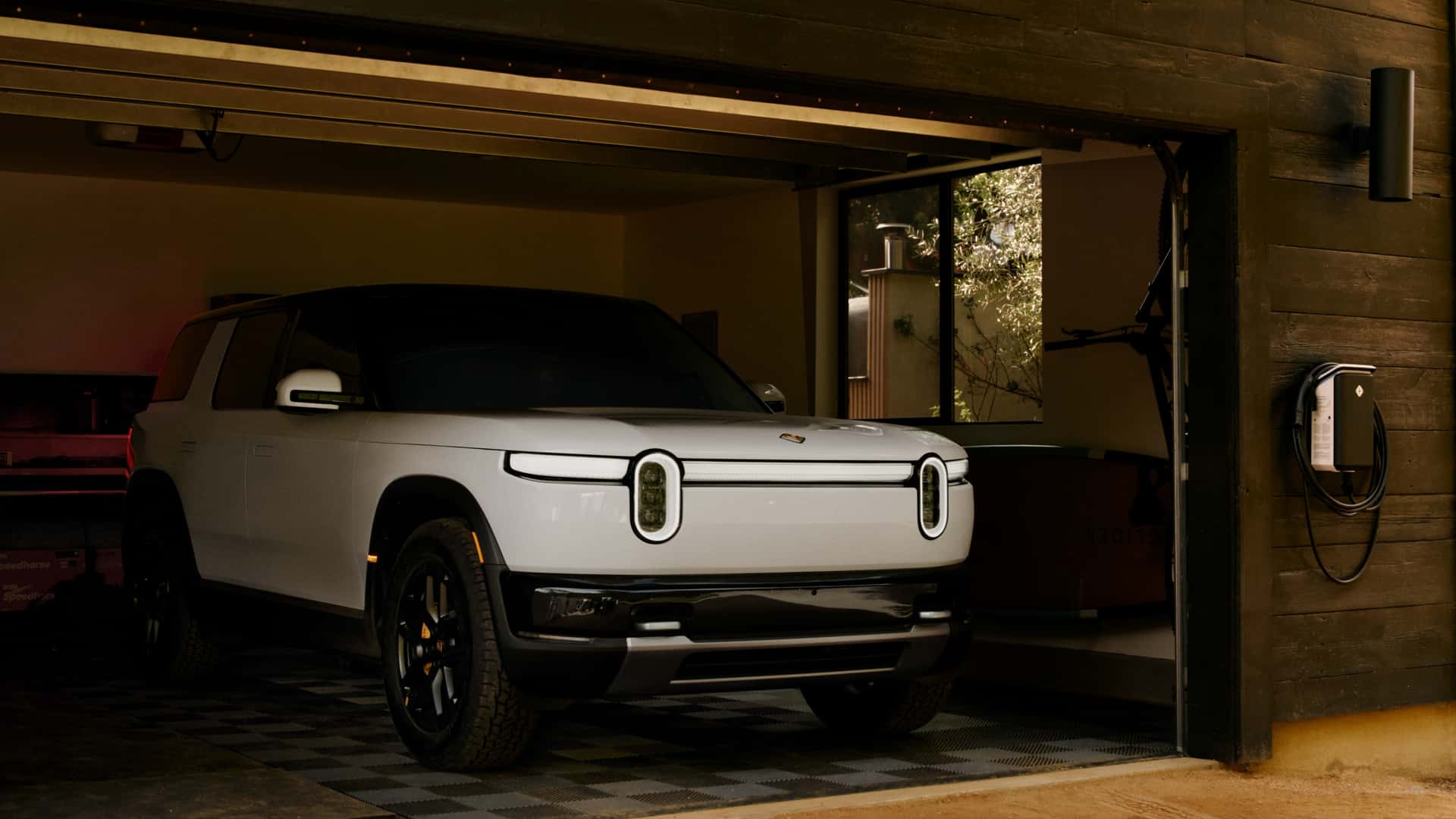
The boost came from three streams: the newly launched R2, continued sales of the EDV (electric delivery vans), and the R1 platform. While the R2’s debut garnered rave reviews, the report notes that the bulk of the increase still stems from the older models, suggesting the new vehicle has yet to become a volume driver.
Rivian’s 2025 total deliveries stood at 42,247 EVs, a figure that the company originally expected to grow to between 62,000 and 67,000 in 2026. After the Q2 beat, Rivian revised its outlook to a range of 65,000‑70,000 vehicles for the year. The revised guidance implies a steep acceleration in sales rate—more than a 50% jump in the remaining half of the year.
To accommodate that projected surge, Rivian says its Normal, Illinois plant can build up to 155,000 R2s per year, a capacity that dwarfs current production volumes. The report also flags a second plant under construction in Georgia, earmarked for additional R2 output and eventually the next‑generation R3. Carscoops independently confirms the Georgia facility is in the works, lending credibility to Rivian’s expansion narrative.
Beyond domestic capacity, Rivian plans to ship the R2 to Europe, positioning it as a smaller‑form‑factor model better suited for export markets than the larger R1. The move expands Rivian’s geographic footprint, but the source does not detail European regulatory hurdles or market demand.
When placed side‑by‑side with the broader EV market, Rivian’s numbers appear modest. Tesla sold about 480,126 vehicles worldwide in the same quarter, roughly ten times Rivian’s total 2025 deliveries. Toyota delivered 673,971 units in the United States alone, dwarfing Tesla’s global figure. These comparisons underscore the scale gap Rivian faces as it attempts to transition from a niche player to a high‑volume automaker.
The loss of the federal tax credit, which previously subsidized a portion of Rivian’s price, adds another layer of risk. Without that incentive, price sensitivity among consumers could tighten, especially as a slew of new competitors enter the market. Rivian’s reliance on the R2’s “compelling styling and adventurous vibe” to drive demand may be insufficient if price‑competitiveness and charging infrastructure become decisive factors for buyers.
Audit & Contradictions
The announcement leaves several critical details unaddressed. All delivery figures, YoY growth, and the revised sales forecast are reported solely by InsideEVs; the article does not cite Rivian’s own press release or filings. Consequently, those claims should be hedged as “According to InsideEVs.” The capacity claim of 155,000 R2s per year at the Illinois plant also originates from the same source, lacking independent corroboration.
The only point that receives external verification is the construction of a second plant in Georgia, which Carscoops also reports. No contradictions appear in the fact‑check data, and the overall contradiction level is low.
Notably absent are any discussions of supply‑chain constraints, capital expenditures, or the financial implications of expanding capacity while current volumes remain modest. The source also omits any mention of how the R2 will meet European type‑approval standards, nor does it address the competitive pressure from other EV makers that are also launching compact models.
Future Outlook
If Rivian can translate its capacity into actual sales, the company could narrow the gap with established automakers and secure a foothold in both North American and European markets. However, the steep jump required to meet the 65,000‑70,000 vehicle target raises questions about demand elasticity, especially in a market where the tax credit has vanished and newer entrants are vying for the same consumer dollars.
Competitors will watch Rivian’s R2 rollout closely. A successful European launch could pressure other niche EV brands to accelerate their own export strategies, while a failure might reinforce the dominance of larger players who already benefit from extensive dealer networks and charging ecosystems.
Regulators, meanwhile, may scrutinize Rivian’s capacity claims as part of broader discussions about EV incentive structures and manufacturing incentives. If Rivian’s expansion outpaces actual sales, policymakers could reconsider the allocation of subsidies aimed at scaling domestic EV production.
In sum, Rivian’s Q2 numbers are encouraging on the surface, but the underlying assumptions—particularly the reliance on a single new model to drive a massive sales ramp—remain untested. Investors and analysts will need to monitor not just headline deliveries, but the utilization rates of the new plants, the uptake of the R2 in Europe, and the company’s ability to navigate a market that is rapidly becoming crowded and price‑sensitive.