Lead Hook
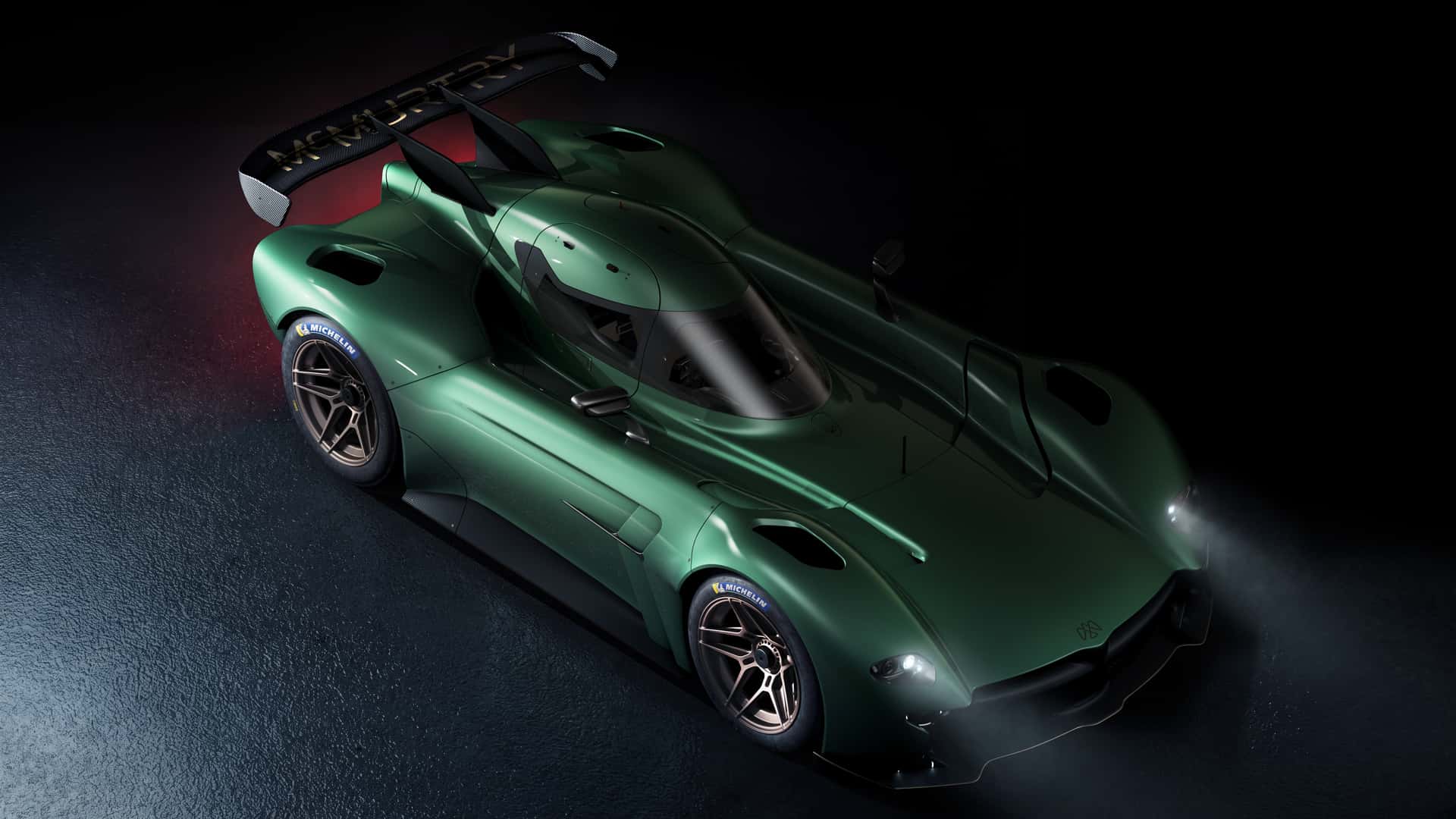
When McMurtry Automotive unveiled the production‑ready Spéirling Pure, the headline was unmistakable: a $1.36 million, single‑seat hypercar that can sprint from 0 to 60 mph in 1.55 seconds using a fan‑driven downforce system. The numbers are eye‑catching, but the real story lies in what the announcement leaves unsaid – how a vehicle that relies on a technology banned in Formula 1 can ever be approved for broader competition or road use, and what that means for the emerging niche of track‑only electric hypercars.
Deep Dive
According to the primary press release, the Spéirling Pure is powered by a 100‑kilowatt‑hour battery pack that delivers 1,000 horsepower to the rear wheels and a top speed of 305 km/h (190 mph) (InsideEVs). The car’s most distinctive feature is its fan system, which can generate up to 2,000 kg of downforce on demand – even while the vehicle is stationary – thanks to onboard compressors and retractable skirts. Two redundant fans, upgraded motors, new blades and a relocated assembly allow the car to pull up to 3 g through corners and under braking (InsideEVs).
The engineering trade‑off is evident in the vehicle’s weight. The production model weighs 1,350 kg, up from the 1,050 kg of the 2021 prototype, reflecting a larger 100‑kWh battery and a chassis that is 14 % wider, 11 % longer and has a wheelbase increased from 2.0 m to 2.2 m (InsideEVs). These dimensions accommodate a small stowage compartment under the rear spoiler and allow drivers up to 201 cm (6 ft 7 in) tall to sit inside, despite the car’s single‑seat layout.
From a regulatory standpoint, the fan‑augmented downforce system is the crux of the issue. The technology mirrors the “fan car” concept that was outlawed in Formula 1 after the 1978 Lotus 79, precisely because it gave an aerodynamic advantage that could not be replicated by competitors without similar hardware. McMurtry’s claim that the system can be engaged at any speed – even from a standstill – means the Spéirling Pure can achieve grip levels far beyond what conventional aero can deliver. Yet the press release offers no roadmap for how the company intends to navigate the strict safety and homologation standards that govern both road‑legal vehicles and sanctioned racing series.
McMurtry does position the Spéirling Pure as a track‑only machine, eligible for Global Time Attack in the United States and European Time Attack Masters at the Nürburgring (InsideEVs). Owners are told they can simply roll up, hand the car to a “competent friend,” and drive – or pay the company to handle the logistics (InsideEVs). The press release even promises a portable 100‑kWh “powerbank” with 120 kW charging capability for tracks lacking infrastructure.
What remains opaque is how the vehicle will be treated under existing motorsport regulations. Time‑Attack events have their own technical specifications, but the inclusion of a fan‑generated downforce system could trigger additional scrutiny, especially in series that limit active aerodynamic devices. Moreover, the claim that the car can generate 2,000 kg of downforce – roughly twice the vehicle’s own weight – raises questions about tire load limits, brake cooling and the safety of spectators in the event of a failure. No details are provided about certification testing, crash safety standards, or the company’s engagement with governing bodies.
Audit & Contradictions
The announcement is packed with exclusive specifications, all of which appear solely in the primary source. Per the fact‑check audit, the following claims are single‑source and therefore need to be presented as the company’s statements:
- Cost of $1.36 million before taxes and customizations.
- Power output of 1,000 hp from a 100‑kWh battery.
- Downforce capability of up to 2,000 kg on demand.
- Production limit of 99 units and non‑road‑legal status.
- Top speed of 305 km/h (190 mph) and curb weight of 1,350 kg.
These figures are presented without corroboration from independent outlets, which the audit notes as a limitation for verification. Additionally, there is a medium‑level contradiction regarding acceleration: the press release cites a 0‑60 mph time of 1.55 seconds, while an independent outlet reports a faster 1.4‑second figure (InsideEVs). This discrepancy suggests either a variation in testing conditions or a possible update to the performance envelope that has not been uniformly communicated.
"a competent friend,"
McMurtry uses this phrasing to underscore the car’s intended simplicity of use on track – a point that contrasts sharply with the complex engineering and regulatory hurdles implicit in the fan‑car concept.
Future Outlook
If McMurtry can secure acceptance for its fan‑augmented downforce system within established motorsport frameworks, it could open a niche market for ultra‑high‑performance electric track cars that blur the line between prototype and production. Competitors such as Rimac or Lotus may feel pressure to explore active aerodynamic solutions, potentially sparking a new wave of regulatory debate.
Conversely, the lack of a clear path to road‑legal certification could limit the model’s appeal to a very narrow buyer pool, capping the commercial viability of such extreme engineering. Investors and potential customers will be watching how McMurtry navigates safety approvals, insurance considerations, and the logistics of supporting a global fleet of 99 ultra‑exclusive machines.
In the broader EV landscape, the Spéirling Pure demonstrates that manufacturers are willing to pour over a million dollars into a non‑road‑legal product, betting on brand prestige and technological showcase rather than mass‑market adoption. How regulators respond to the fan‑car’s unprecedented downforce capabilities may set precedents that affect not only future hypercars but also high‑performance electric vehicles that seek to push the limits of grip and acceleration.