Lead Hook
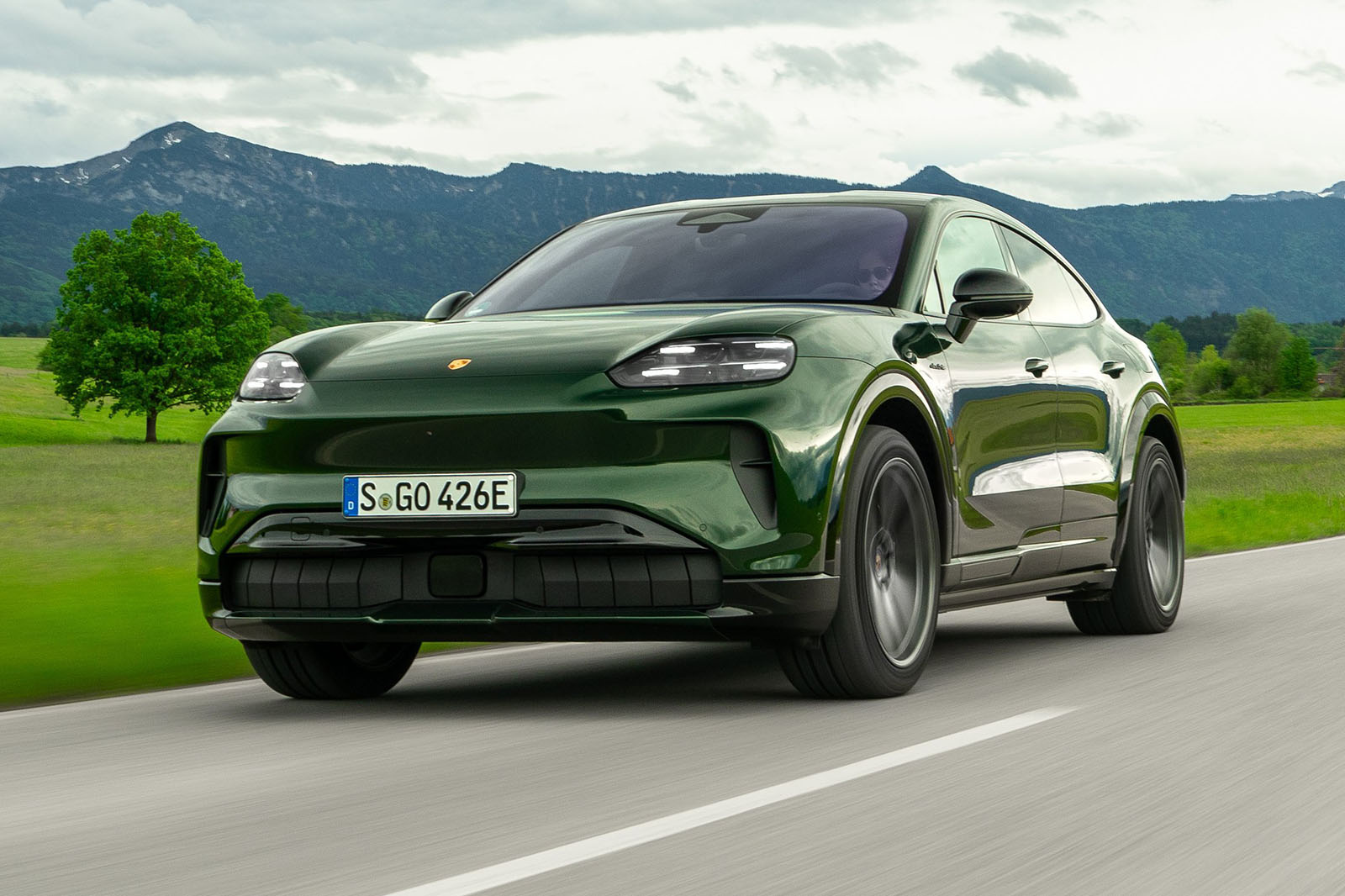
When Porsche unveiled the fourth‑generation Cayenne Electric, the headline was impossible to ignore: a 2.6‑tonne SUV capable of 1,141 bhp and a 0‑62 mph sprint in 2.5 seconds. The numbers sound like a hyper‑car masquerading as a family vehicle, but the real story lies beneath the surface – in a battery chemistry that leans heavily on nickel, manganese and cobalt, and a 400 kW charging system that few public chargers can yet support. Those hidden layers raise questions about how sustainable such a performance‑first strategy is for the premium EV market.
Deep Dive
According to Autocar, the Turbo‑derivative Cayenne Electric delivers a staggering 1,141 bhp (the article also cites 1,140 bhp) and 1,106 lb‑ft of torque. In launch‑control mode the SUV can rocket from 0 to 62 mph in just 2.5 seconds, a figure that rivals the best‑in‑class sports cars. Even the entry‑level model still offers 436 bhp and 616 lb‑ft, a power level that would have been headline news a decade ago.
All three power‑train variants – the base, the S and the Turbo – share an 800 V electrical architecture paired with a 108 kWh lithium‑ion pack. The source notes that the battery uses a new nickel‑manganese‑cobalt (NMC) cell chemistry designed for higher energy density. While the higher NMC content boosts range and power, it also deepens Porsche’s reliance on cobalt, a material whose supply is concentrated in the Democratic Republic of Congo and subject to ethical and geopolitical scrutiny.
Charging speed is another focal point. Autocar reports a maximum charging rate of 400 kW, allowing a 10‑80 % charge in 26 minutes and a 100‑mile top‑up in five minutes. In practice, such rates demand a robust high‑power DC fast‑charging network, something that remains sparse outside of major European corridors. The ultra‑fast charge claim therefore hinges not only on the vehicle’s on‑board electronics but also on the availability of compatible infrastructure – a factor that could limit real‑world usability for many owners.
The platform underpinning the Cayenne Electric is shared with the Audi Q6 e‑tron, a detail also supplied by Autocar. This badge‑engineering move reflects Volkswagen Group’s broader strategy of spreading development costs across brands. However, the shared platform does not dilute the performance ambition: the Coupe version, with its raked windscreen and lower roofline, achieves a drag coefficient of 0.23 versus 0.25 for the SUV, translating into the best WLTP combined range of the lineup – up to 414 miles for the S model, per the same source.
Beyond raw numbers, the vehicle incorporates active aerodynamics – “huge vertical wings” that deploy at higher speeds – and optional torque‑vectoring differentials, features that help manage the massive torque output. While these technologies showcase engineering prowess, they also add weight and complexity, potentially offsetting some efficiency gains from the improved battery chemistry.
Audit & Contradictions
The announcement is clear on one point that independent outlets confirm: Porsche has introduced a 2026 Cayenne Coupe Electric, joining its gasoline and plug‑in hybrid siblings. This fact is corroborated by several news sources, including Porsche’s own newsroom and coverage in Car and Driver and MotorTrend.
All other specifications – power output, acceleration, battery capacity, charging speed, platform sharing, drag coefficients, and WLTP range – appear only in the Autocar article. As such, they must be presented as single‑source claims. For example, the 1,141 bhp figure, the 2.5‑second 0‑62 mph sprint, the 108 kWh pack, the 400 kW charging rate, and the 414‑mile range are each attributed to Autocar and are not independently verified at this stage.
The fact‑check audit notes a low level of contradiction: no conflicting data have emerged from other outlets, but the reliance on a single source means the figures should be treated with caution until independent testing confirms them.
Future Outlook
Porsche’s hyper‑power approach signals a broader trend among premium brands: using extreme performance as a differentiator to justify higher price points and to attract affluent early adopters. However, scaling such models will test several parts of the EV ecosystem.
First, the demand for high‑energy‑density NMC cells could intensify pressure on cobalt supplies, prompting manufacturers to accelerate research into cobalt‑free chemistries or to secure ethically sourced material. Second, the promised 400 kW charging capability will push utilities and charging‑network operators to expand ultra‑fast stations, a costly undertaking that may be unevenly distributed across regions.
Competitors are watching closely. Brands like Tesla, Lucid and Rivian are also pursuing high‑performance SUVs, but most have stayed below the 1,000 bhp threshold, likely because of the same supply‑chain and infrastructure constraints. If Porsche can demonstrate reliable real‑world performance and a viable ownership experience, it could force rivals to accelerate their own high‑power EV programs, potentially reshaping the premium segment.
Regulators may also take note. While emissions standards drive electrification, safety and grid‑impact regulations could become more stringent as vehicles draw higher power from the grid. Policymakers might need to address the environmental and social implications of increased cobalt mining, as well as the rollout of 400 kW chargers in urban areas.
In short, the Cayenne Electric’s headline numbers are impressive, but the true test will be whether the supporting supply chain and charging infrastructure can keep pace. The model serves as a litmus test for the premium EV market’s ability to marry extreme performance with sustainable, scalable technology.