Lead Hook
Fiat’s decision to develop a petrol-powered successor to its iconic Panda alongside a new sub-£15,000 electric city car isn’t just a product strategy—it’s a high-stakes bet on Europe’s uneven transition to electrification. While Northern Europe accelerates toward zero-emission mandates, Italy’s sluggish EV uptake has forced Fiat to hedge its bets, risking regulatory backlash and internal competition between its own models. The move underscores a broader tension: can automakers satisfy both legacy markets and future regulations without diluting their brand or profitability?
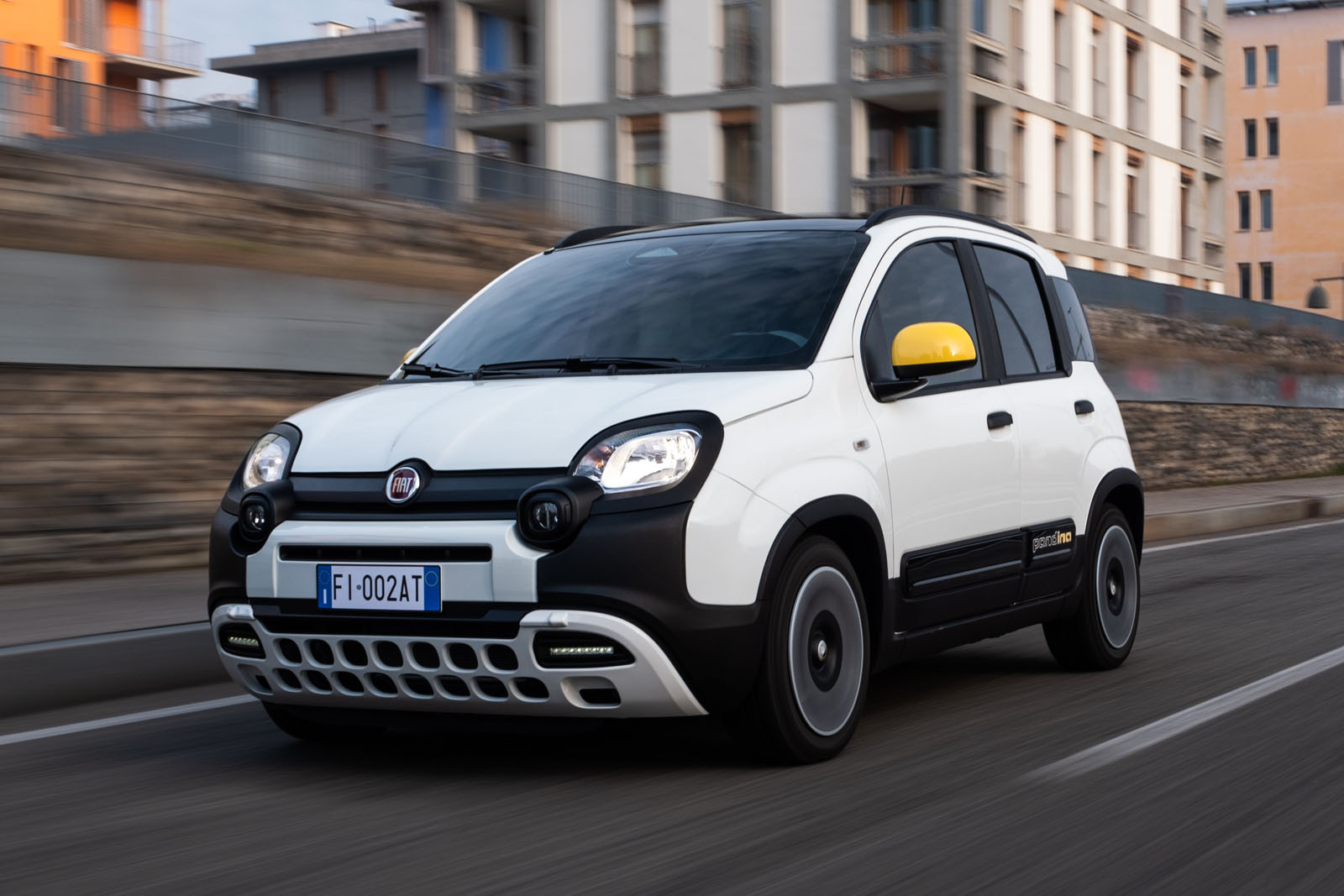
According to Autocar, the Italian brand is mulling a combustion-powered successor to the current Panda, which was withdrawn from UK sales in 2024 due to the Zero Emission Vehicle (ZEV) mandate but remains a sales juggernaut in Italy. The Panda accounted for over 70% of Fiat’s sales last year and holds a 7% monthly share of the Italian market, per the source. Gaetano Thorel, Fiat’s European boss, framed the decision as a duty to the “Panda population,” but the dual-path strategy raises questions about Fiat’s ability to navigate divergent market demands while meeting tightening emissions rules.
Deep Dive
The Panda Paradox: ICE Loyalty vs. EV Ambitions
Fiat’s dilemma is rooted in Italy’s unique automotive landscape. While the EU’s 2035 combustion engine ban looms, Italy’s EV adoption lags behind Northern Europe, with electric vehicles accounting for just 4.2% of new car registrations in 2023 (European Automobile Manufacturers’ Association, ACEA). This disparity has left Fiat balancing two priorities: preserving its dominance in the affordable city car segment while preparing for an electric future.
Thorel’s comments reveal the tension. “We have a duty to this popola di Panda [Panda population], which alone has a 7% share of the Italian market every month, to give them an answer for today and tomorrow that is based on their needs and not based on regulations,” he told Autocar. The statement underscores Fiat’s reliance on the Panda’s legacy, but it also highlights the risk of alienating customers if the brand pivots too quickly—or too slowly—to electrification.
The proposed sub-£15,000 electric city car, set to share a platform with the upcoming Citroën 2CV revival, is Fiat’s attempt to future-proof its entry-level lineup. The project aligns with the EU’s planned “E-car” regulations, which aim to standardize affordable electric vehicles. However, Fiat’s hesitation to rebrand the EV as the next-generation Panda—despite Thorel’s admission that “the E-car could be the next-gen Panda”—suggests caution about diluting the nameplate’s identity. The company previously managed a similar transition with the Fiat 500, offering both electric and combustion versions, but the Panda’s cultural significance in Italy may complicate the strategy.
Regulatory Roulette: The ZEV Mandate and National Exemptions
The UK’s ZEV mandate, which requires 22% of new car sales to be zero-emission by 2024, forced Fiat to pull the Panda from the British market—a decision that foreshadows the challenges automakers face as regulations diverge across Europe. Italy, however, has pushed for exemptions for smaller cars, arguing that affordability should trump strict emissions targets. Fiat’s dual-path strategy appears designed to exploit this regulatory gray area, but it’s a gamble. If Italy secures concessions, the petrol Panda could thrive; if not, Fiat may be forced to accelerate its EV transition, potentially cannibalizing its own sales.
The Pomigliano plant, where Stellantis has committed to building the two new electric city cars, is central to Fiat’s plans. Thorel called the investment “important for us because small cars are Italian territory and it means Pomigliano will have a future.” The plant’s fate hinges on Fiat’s ability to balance production of both ICE and EV models—a challenge that could strain resources if demand shifts unpredictably.
Cost and Cannibalization: The Hidden Risks
Developing two distinct platforms—one for the petrol Panda successor and another for the sub-£15,000 EV—poses significant financial and logistical challenges. While Fiat’s partnership with Citroën on the E-car platform may reduce costs, the company must still invest in tooling, engineering, and marketing for both models. Industry analysts note that such bifurcated strategies often lead to internal competition, with ICE and EV variants vying for the same customers. Fiat’s experience with the 500 suggests it can manage dual powertrains, but the Panda’s higher sales volume amplifies the stakes.
Moreover, the sub-£15,000 price target for the electric city car is ambitious. Even with EU subsidies, achieving this cost likely requires economies of scale, which may be difficult if the EV and petrol models split demand. Fiat’s reliance on the Panda’s 70% sales contribution underscores the risk: if the EV fails to gain traction, the company could be left with a costly white elephant alongside a shrinking ICE lineup.
Audit & Contradictions
The central claim—that Fiat is developing both a petrol-powered Panda successor and a sub-£15,000 electric city car—is corroborated by an independent Autocar report. However, several key details rely on single-source statements and lack external confirmation:
- UK Withdrawal: The claim that the Panda was pulled from UK sales in 2024 due to the ZEV mandate is uncorroborated outside the primary source. While the ZEV mandate is a known factor, other automakers have cited supply chain or compliance costs as reasons for exiting markets.
- Italian Market Share: The assertion that the Panda accounts for “more than 70% of Fiat’s sales last year” and holds a “7% share of the Italian market every month” is unchallenged but unverified. These figures could reflect broader industry trends, but no independent data (e.g., from ACEA or Italian automotive associations) is cited.
- Citroën 2CV Tie-In: Fiat’s upcoming EV is said to be “twinned” with the Citroën 2CV revival, but no details about the platform-sharing agreement have been confirmed by Citroën or Stellantis.
- Pomigliano Production: While Thorel stated that the Pomigliano plant will build the two new electric cars, no official announcement from Stellantis has confirmed this. The plant’s future remains speculative.
The fact-check audit categorizes these claims as single-source, meaning they should be treated with caution. The contradiction level is marked as “Low,” as no conflicting reports have emerged, but the lack of external validation leaves room for uncertainty.
Future Outlook
Fiat’s dual-path strategy for the Panda reflects a broader industry challenge: how to transition to electrification without abandoning profitable ICE segments. Competitors like Renault (with its Twingo) and Volkswagen (with the up! successor) face similar dilemmas, but Fiat’s reliance on the Panda’s volume makes its bet riskier. If Italy secures regulatory concessions, the petrol Panda could extend its lifespan, but the long-term viability of ICE models in Europe remains uncertain.
For regulators, Fiat’s strategy may test the flexibility of emissions targets. If smaller, affordable cars receive exemptions, it could slow EV adoption in Southern Europe, undermining the EU’s climate goals. Conversely, strict enforcement could push automakers to accelerate EV development, potentially disrupting supply chains and pricing.
Thorel’s comments underscore the emotional and economic stakes: “One thing is clear: I need to find a proper answer for my Panda population. We need to find a multi-energy solution.” The statement captures Fiat’s balancing act—but whether it can succeed without alienating customers, regulators, or investors remains an open question.
“We have a duty to this popola di Panda [Panda population], which alone has a 7% share of the Italian market every month, to give them an answer for today and tomorrow that is based on their needs and not based on regulations.”
Gaetano Thorel, Fiat European Boss