Lead Hook
Ferrari’s entry into the electric‑vehicle market is not just a headline about a luxury supercar going silent; it signals how a heritage brand is testing the waters of China’s high‑performance EV demand with a razor‑thin allocation. If the reported sell‑out of the 88‑unit batch holds true, the brand’s willingness to keep the order book open could expose it to production bottlenecks, supply‑chain strain, and a brand‑identity gamble that goes beyond a single launch.
Deep Dive
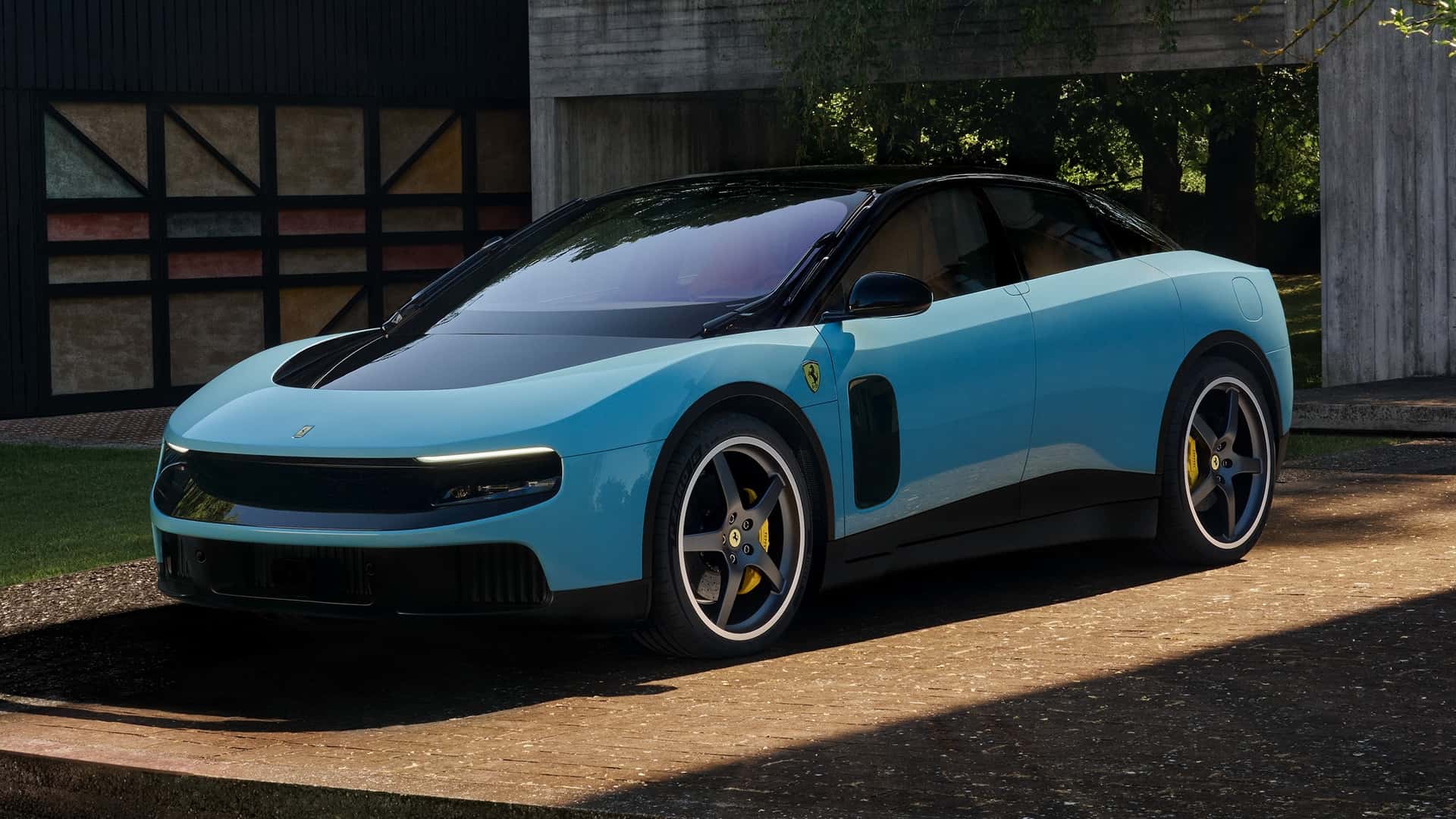
According to Motor1, the Ferrari Luce is the Italian automaker’s first electric vehicle, equipped with four electric motors that collectively deliver 1,050 horsepower. The power figure, while impressive, is presented without independent verification, making it a point of speculation for analysts watching the EV performance race.
The Luce’s rollout is anchored to a micro‑allocation of 88 units for the Chinese market, a figure that Motor1 claims has already been sold out. Yet, the same outlet later notes that Ferrari Beijing continues to accept new orders, suggesting the company may be prepared to expand the allocation if demand persists. This dual messaging—sold‑out yet still open for orders—creates a paradox that highlights the brand’s cautious approach to scaling production while trying to capture early market enthusiasm.
Ferrari CEO Benedetto Vigna is quoted as saying the automaker has received “strong interest” and deposits for the Luce. The quote appears in the Motor1 piece and is not corroborated by other outlets, but it serves as a key narrative hook for the company’s claim that the EV is resonating with consumers. The article also notes that Ferrari plans to disclose the number of deposits next month, a timeline that could provide the first concrete metric of market appetite.
From a supply‑chain perspective, the limited batch raises questions about component sourcing and battery production capacity. High‑performance EVs like the Luce typically require large‑format cells and advanced thermal‑management systems—areas where established EV manufacturers have already built economies of scale. Ferrari, a brand historically reliant on low‑volume, hand‑built internal‑combustion engines, now faces the challenge of integrating these new technologies without the same supply‑chain leverage.
China’s automotive policy environment further complicates the picture. The country’s push for NEVs (new energy vehicles) includes generous subsidies for domestically produced models, yet foreign luxury EVs must navigate import tariffs and local partner requirements. By allocating a tiny batch, Ferrari may be testing regulatory compliance and consumer response before committing to a larger production footprint in the region.
Economically, the decision to keep the order book open after a reported sell‑out could be a strategic hedge. If the initial allocation proves insufficient, the brand can justify a higher‑volume production run, leveraging the “sell‑out” narrative for marketing momentum. Conversely, if demand wanes, the open order window provides a graceful exit without the stigma of unsold inventory.
Audit & Contradictions
The Motor1 article is the sole source for most of the claims surrounding the Luce’s Chinese launch. Fact‑check data confirms that the statement about the Luce being Ferrari’s first electric vehicle is independently corroborated by the Financial Times. All other notable assertions—sold‑out status of the 88 units, continued acceptance of new orders, the upcoming deposit disclosure, Vigna’s “strong interest” comment, the weekend launch timing, and the 1,050 hp power figure—appear only in the Motor1 piece and lack external verification.
Given this single‑source status, the reporting must be hedged. For example, Motor1 reports that the 88 units are sold out, but the Beijing Business Times later indicated that new orders were still being taken. The article also states that Ferrari will reveal deposit numbers next month, a claim that remains unverified by any other outlet.
Fact‑check auditors note a low contradiction level, meaning no direct conflicts were found between sources, but the reliance on a single outlet for most data points underscores the need for cautious interpretation.
Future Outlook
If the Luce’s limited launch proves successful, it could encourage other ultra‑luxury manufacturers to adopt a similar micro‑allocation strategy in China, using scarcity to drive hype while mitigating supply‑chain risk. However, the need to quickly scale battery and motor production may push Ferrari to partner with established EV suppliers or to invest in dedicated facilities—a move that could reshape its manufacturing footprint.
Competitors watching the Luce will gauge whether a high‑performance EV can command premium pricing in a market increasingly dominated by domestic EV champions. The outcome will influence not only Ferrari’s future EV roadmap but also broader industry calculations around how many units are viable for a luxury brand’s first electric model.
Regulators, meanwhile, will monitor how foreign luxury EVs navigate China’s subsidy framework and emissions standards. A sell‑out, even of a modest batch, could prompt policy adjustments that either reward or constrain future imports, affecting the strategic calculus for all premium manufacturers.
In short, the Luce’s story is less about a single car’s sales figures and more about how Ferrari—and the luxury automotive sector—will balance brand heritage, technological transition, and the logistical realities of serving China’s fast‑growing EV market.