Lead Hook
When a single electronic control unit (ECU) fails, it can immobilise an entire generation of electric SUVs from three distinct brands. The United States recall of 20,991 battery‑electric vehicles—comprising Toyota bZ, Lexus RZ and Subaru Solterra models—does more than pull cars from showrooms; it pulls back the curtain on the hidden costs of platform sharing, software‑centric safety and fragmented regulatory oversight.
Deep Dive
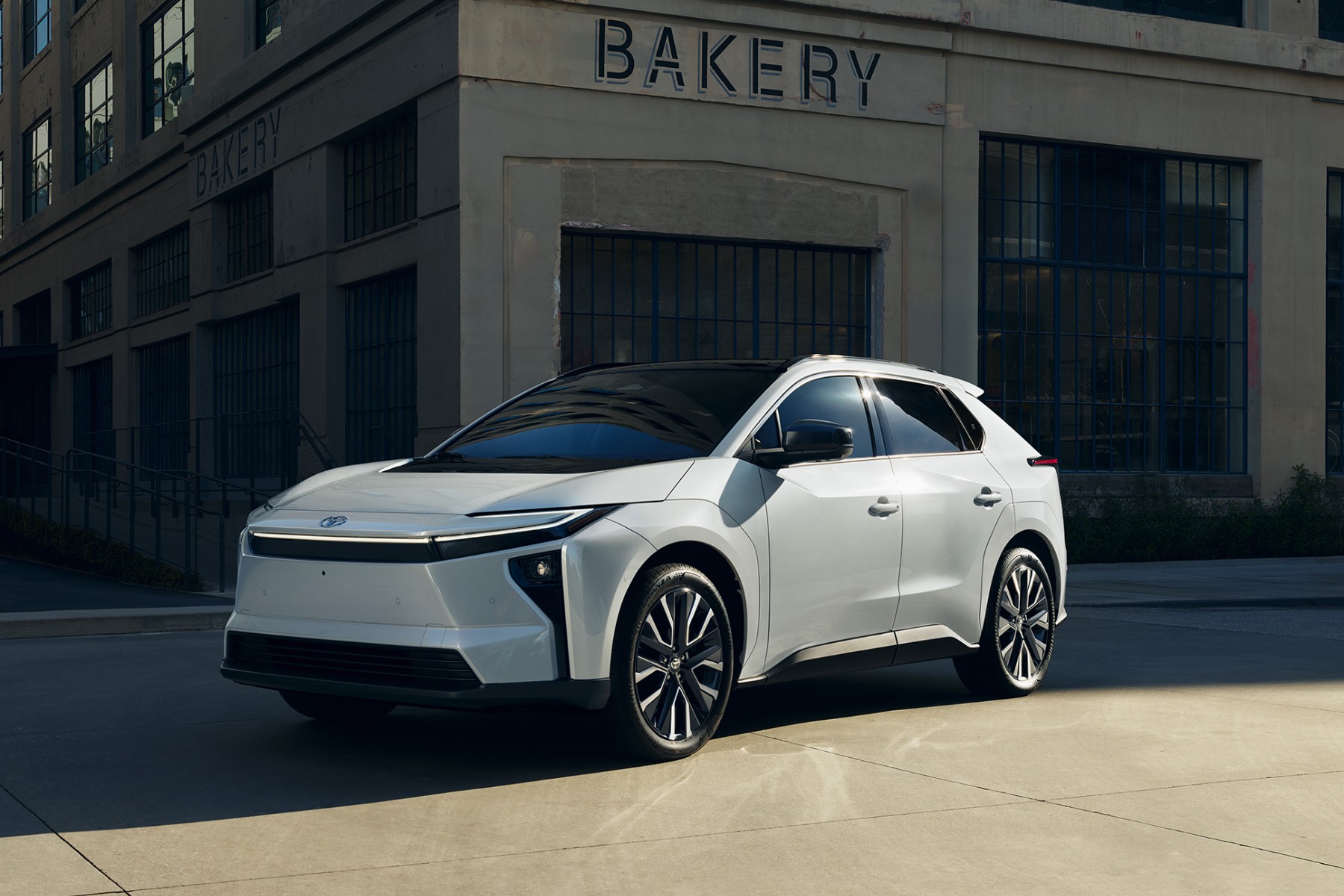
According to Electrive, the recall targets 2026‑model‑year vehicles built on Toyota’s e‑TNGA platform. The e‑TNGA architecture underpins the Toyota bZ (known as the bZ4X in Europe), the Subaru Solterra and the Lexus RZ, meaning they share not only a chassis but also the same high‑voltage battery control ECU. A software glitch in that ECU can cause an unexpected loss of driving power, raising the risk of accidents.
The breakdown of the affected fleet is precise: 11,495 Toyota bZ units, 4,757 Subaru Solterra units and 4,739 Lexus RZ units, for a total of 20,991 vehicles. This figure is listed in the National Highway Traffic Safety Administration (NHTSA) recall database, confirming the scale of the issue within the U.S. market.
From an engineering standpoint, the fault is not a hardware defect but a memory‑related software error that can interrupt the ECU’s command to the high‑voltage battery. Because the ECU governs power delivery to the drivetrain, any interruption can instantly cut propulsion. The recall therefore targets a safety‑critical function rather than a peripheral feature such as infotainment.
Dealers are instructed to install a software patch on the ECU free of charge. However, the source notes that an over‑the‑air (OTA) update is not possible, meaning owners must bring their vehicles to service centres. Notification letters are slated for dispatch on 3 August 2026, a timeline that underscores the logistical burden of a physical‑fix recall in an era where OTA patches are becoming the norm.
Regulatory footprints differ across regions. While the NHTSA has logged the recall, the German Federal Motor Transport Authority (KBA) database does not yet show a corresponding entry. The source suggests that European‑market vehicles could be affected because the same Motomachi plant in Japan produces the e‑TNGA‑based models for Europe. This regulatory lag highlights how cross‑border safety information can be uneven, especially when a single supplier serves multiple markets.
Internationally, the recall is not isolated. The source reports that Japan announced a recall of 4,808 vehicles a few days earlier, and Australia has already issued a recall for 1,101 Toyota bZ4X units and four Lexus RZ units. The recurring nature of recalls—last year’s 94,320‑vehicle recall for a heating‑system control issue—points to systemic challenges in managing software across a shared platform.
Economically, the recall represents a direct cost to Toyota, Lexus and Subaru, as well as an indirect cost to dealers and owners who must schedule service visits. More subtly, it raises questions about the cost‑saving rationale of platform sharing. By standardising the ECU across three brands, manufacturers reduce parts inventory and engineering effort, but they also create a single point of failure that can amplify recall exposure.
Audit & Contradictions
The announcement leaves several details unaddressed. The source is the sole provider of the following points, which therefore require hedging:
- Authorized dealers will update the battery‑control‑unit software free of charge, but OTA updates are not possible, and owner notification letters are expected on 3 August 2026 (source).
- No corresponding recall has yet been listed in the German KBA database, though vehicles in Germany may also be affected because they share the same Japanese production line (source).
- Japan’s recall covers 4,808 vehicles, and Australia’s recall covers 1,101 Toyota bZ4X units and four Lexus RZ units (source).
- A prior recall last year affected 94,320 units of the same three models due to a heating‑system control issue (source).
Independent outlets corroborate the overall recall size and the models involved, but they do not provide the granular breakdowns or the German, Japanese and Australian context. The fact‑check audit therefore rates the contradiction level as low, indicating no direct conflicts between sources.
Future Outlook
The recall may accelerate a shift in how automakers approach software distribution. Competitors that have invested in robust OTA capabilities—such as Tesla, Rivian and emerging Chinese EV makers—could leverage this gap to argue for superior safety management. Regulators, especially in Europe, may push for mandatory OTA readiness as a condition for future EV approvals, narrowing the regulatory disparity highlighted by the absent KBA entry.
From a supply‑chain perspective, manufacturers might reconsider the depth of component commonality across brands. While platform sharing remains a cornerstone of cost efficiency, the Toyota case illustrates a trade‑off: a single software defect can cascade across multiple marques, inflating recall exposure and brand‑specific reputational damage.
Investors will likely scrutinise how Toyota, Subaru and Lexus allocate resources to software quality assurance and post‑sale support. The recall’s timing—just months before the 2026 model year’s full market rollout—could also affect sales forecasts for the e‑TNGA lineup, prompting dealers to offer incentives or extended warranties to restore consumer confidence.
Finally, the episode underscores the need for harmonised international recall reporting. As EV platforms become increasingly global, a fragmented notification system can leave owners in one jurisdiction unaware of safety actions taken elsewhere. A coordinated, real‑time recall database could mitigate such blind spots, ensuring that a software glitch identified in Japan or the United States triggers immediate, cross‑border alerts.