Tesla's 88% Battery Health Test: What It Means For Used EV Buyers
A 4-year-old Tesla Model 3 Performance scored 88% battery health in Tesla's test, lower than expected. What does this mean for used EV buyers?
NXT Autos Newsroom June 30, 2026 4 min read US
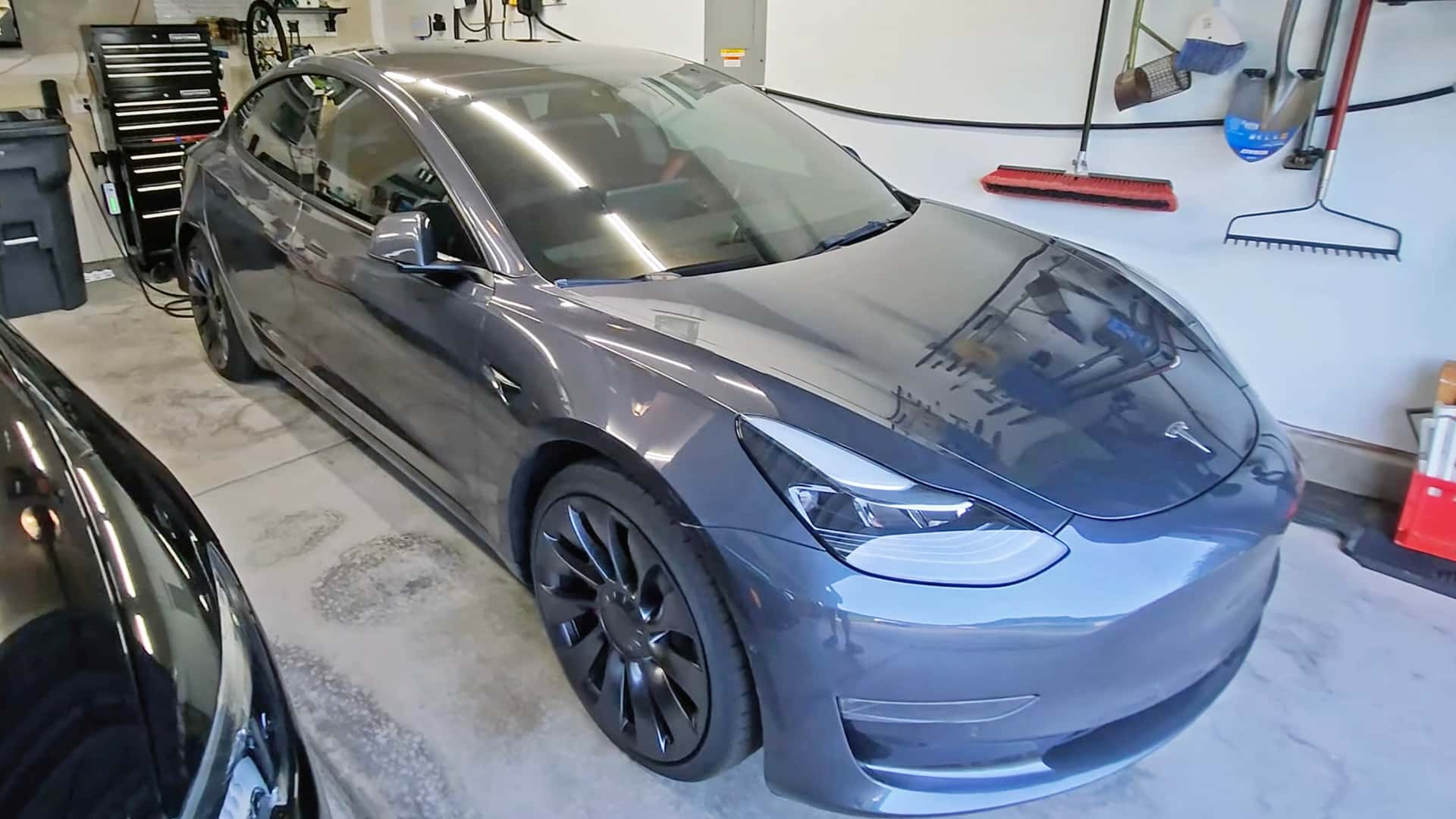
Visual representation highlighting Tesla's 88% Battery Health Test: What It Means For Used EV Buyers.
Editor's Note: This article is based on reporting originally published by insideevs.com. All key details have been cross-referenced and verified for accuracy. View Original Source ↗
Lead Hook
A recent test of a 4-year-old Tesla Model 3 Performance revealed an 88% battery health score, sparking concerns for used EV buyers. This finding highlights the importance of checking battery health before purchasing a used electric vehicle.
Deep Dive
The 2022 Tesla Model 3 Performance in question had accumulated around 31,000 miles and was primarily charged at home between 30% and 80% state of charge. According to the source, the vehicle's battery health was estimated to be 89% by the Recurrent app, which monitors factors such as state of charge, displayed range, mileage, charging behavior, and climate exposure over time InsideEVs.
The Tesla battery health test, which requires the car to be plugged in to produce an accurate reading, showed a remaining battery capacity of 88%. This result is lower than the owner's expectations, but close to the Recurrent app's estimate. For context, electric vehicle batteries naturally lose capacity over time, with a rough rule of thumb being that a modern EV a few years old should still have around 90% of its original battery capacity.
Audit & Contradictions
The fact-check audit data reveals that all key data points in the InsideEVs story are uncorroborated by other outlets; they rely solely on the publication's own reporting. Specifically, the 88% battery health reading, Recurrent app estimates of 89% and 92%, ~31,000 miles with home-charging habits, range now at 276 miles versus the original 303-mile EPA rating, and Tesla's 70% warranty floor are all single-source claims.
The contradiction level is Low, indicating that there are no apparent contradictions in the article.
Future Outlook
This case highlights the importance of checking battery health before buying a used EV. As the EV market continues to grow, understanding battery degradation and its factors will become increasingly crucial for buyers and manufacturers alike. The findings of this test also underscore the need for transparency in EV battery health reporting and the development of standardized testing procedures.
The implications of this test extend beyond this individual vehicle, as it raises questions about the long-term health of EV batteries in various usage scenarios. As the industry continues to evolve, it is essential to address these questions and provide buyers with accurate information about the condition of used EVs.