Lead Hook
When a driver’s primary interface stalls, the inconvenience is more than a nuisance—it signals a structural mismatch between the fast‑moving world of consumer electronics and the slower, safety‑first cadence of automotive software. InsideEVs notes that 44.4% of mass‑market vehicles reported infotainment‑related problems in the first 90 days of ownership, a figure that has risen year‑over‑year despite overall quality gains elsewhere in new‑car surveys. The fallout is already visible on the road: distracted driving complaints, costly warranty repairs, and a renewed push from regulators and automakers to bring back physical buttons.
Deep Dive
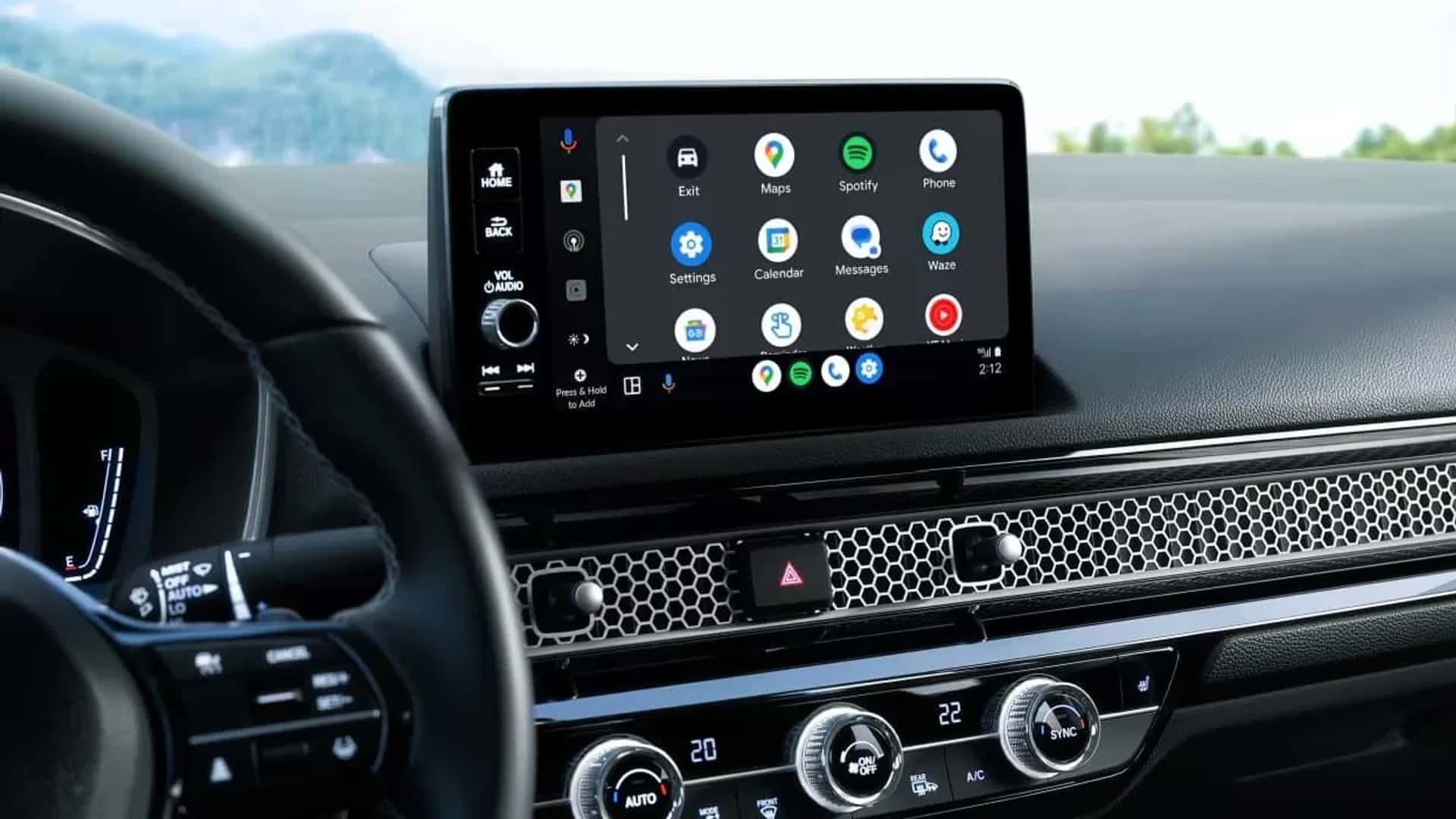
The 2026 J.D. Power Initial Quality Study, cited by InsideEVs, quantifies the problem. Out of every 100 vehicles, 44.4 reported an infotainment complaint. Of those, 6.1 issues per 100 were tied to connectivity—Apple CarPlay, Android Auto, Bluetooth, and Wi‑Fi. The study isolates Apple CarPlay and Android Auto as the "
largest single contributor to the year‑over‑year decline in infotainment quality," accounting for 3.8 problems per 100 vehicles, while Bluetooth contributed just 0.5 per 100.
Automakers explain the lag with a simple timing mismatch. Frank Hanley, senior director of auto benchmarking at J.D. Power, says vehicle software can’t keep pace with the rapid update cycles of smartphones: "
The phone can update much quicker than the phone can," he explains. Every time Apple or Google releases a new OS version, manufacturers must validate that their infotainment stack still functions—a process that can span months and involves testing across dozens of interconnected vehicle systems.
This validation bottleneck has real economic consequences. When a screen freezes or a voice command fails, drivers are forced to divert attention from the road. InsideEVs reports that 46% of drivers who cited a distraction problem pointed directly at the touchscreen. The shift toward large, tablet‑sized displays—intended to make cars feel like “smartphones on wheels”—has paradoxically increased the cognitive load on drivers, especially as more vehicle functions migrate behind menus.
In response, several OEMs are re‑evaluating the balance between digital and tactile controls. Volkswagen’s CEO labeled physical controls "non‑negotiable," while Hyundai described touchscreen‑only interfaces as "annoying." European regulators have also signaled that safety ratings will favor models that retain dedicated buttons for critical functions. The industry’s reaction includes both a rollback of screen‑mirroring features and a design pivot exemplified by the upcoming Slate Truck, which will launch without a built‑in touchscreen or stereo, effectively sidestepping the connectivity issue altogether.
Audit & Contradictions
The InsideEVs article is the sole source for the quantitative findings cited above. According to the Fact‑Check Audit, claims such as the 44.4% infotainment complaint rate, the 3.8 problems per 100 vehicles from Apple CarPlay/Android Auto, the 6.1 connectivity‑related issues, and the 46% distraction figure are all single‑source and therefore hedged with phrases like "According to InsideEVs" or "the study reports." No independent outlet in the provided corroboration list repeats these statistics, and the audit notes a low contradiction level, meaning no conflicting data were identified.
What the announcement does not address is the downstream cost impact on manufacturers, nor the potential for warranty spikes as owners return vehicles for software patches. It also omits any discussion of how over‑the‑air (OTA) update capabilities—still uneven across brands—might mitigate these problems in the future.
Future Outlook
If the software‑hardware timing gap persists, automakers could face escalating warranty expenses and brand‑image erosion, especially as safety‑focused regulators tighten standards. The European push for physical controls suggests a regulatory trend that could spread to other markets, prompting a redesign of interior ergonomics across a broad swath of new models.
Meanwhile, the industry’s investment in OTA infrastructure may become a differentiator. Brands that can push rapid, validated updates without requiring dealer visits could reclaim the quality lead lost to consumer‑electronics cycles. Conversely, manufacturers that double‑down on physical interfaces may capture safety‑conscious buyers but risk appearing technologically behind.
In the short term, we can expect a mixed strategy: incremental software patches to address the most glaring connectivity bugs, paired with a resurgence of tactile knobs and buttons for climate, audio, and driver‑assist functions. The balance struck by each OEM will likely be reflected in upcoming model year releases and could become a new benchmark for “infotainment quality” in future J.D. Power studies.