Lead Hook
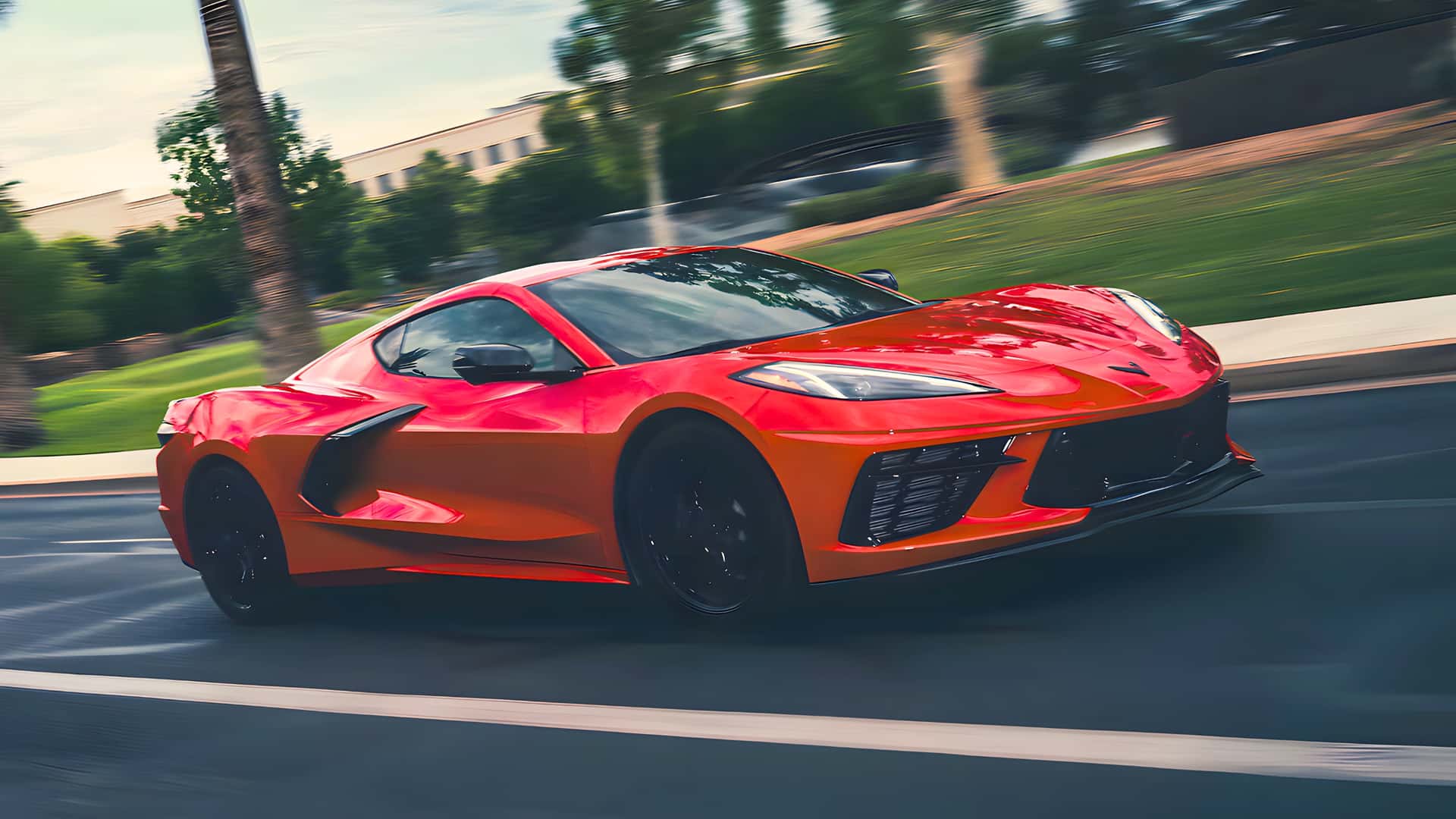
When Chevrolet announced that the 2027 Corvette Stingray now costs $73,495 and can top 200 mph, the headline grabbed attention. Yet the real story lies in why the automaker is willing to raise the price of its most affordable supercar while simultaneously squeezing out every last ounce of performance from a gasoline engine. In an industry racing toward electrification, GM’s latest move signals a strategic effort to extract maximum profit from internal‑combustion technology before regulatory pressure and consumer demand force a deeper shift to electric powertrains.
Deep Dive
According to Motor1, the 2027 Corvette Stingray’s base 1LT trim begins at $73,495, while the power‑folding convertible starts at $80,495. This price point is a steep climb from the C8’s 2020 MSRP of $59,995, but Chevrolet justifies the increase with a suite of performance upgrades. The most consequential change is the replacement of the 6.2‑liter LT2 V8 with a new 6.7‑liter LS6 engine. Chevrolet says the LS6 produces 535 hp and 520 lb‑ft of torque, a jump from the previous 490 hp (495 hp with the Z51 package) and 465 lb‑ft (470 lb‑ft with Z51).
That power boost translates to a top speed that now exceeds 200 mph—a milestone previously reserved for the ZR1 of the C6 generation. Independent outlets such as Motor1, Hot Rod Network, Road & Track, and Yahoo Autos have all corroborated the claim that the base Stingray can break the 200‑mph barrier. Chevrolet attributes the achievement to the LS6’s higher output and a narrower body that reduces aerodynamic drag compared with the wider‑bodied Z06 or ZR1.
Chevrolet also claims a 0‑60 mph sprint of 2.8 seconds, shaving a tenth of a second off the previous Z51‑equipped model. The company says the Stingray will complete the quarter‑mile in 11 seconds with a trap speed of 124 mph, improving the finish line speed by roughly two mph. These figures, while impressive, appear only in the primary source and have not yet been independently verified.
"
That's all power," said small‑block assistant chief engineer Mike Kociba, emphasizing the raw horsepower focus of the LS6. He added, "
The record really shows the strength of the LS6, an engine that we set out to create a unique place in the Corvette lineup."
Beyond the numbers, the price hike reflects broader market dynamics. Inflationary pressures on raw materials, supply‑chain bottlenecks, and the rising cost of advanced manufacturing have all nudged automakers to reassess pricing strategies. For GM, the Corvette serves as a high‑margin showcase that can absorb higher component costs—especially for a large‑displacement V8 that benefits from economies of scale shared with performance‑focused variants like the Grand Sport X. By delivering a record‑breaking speed capability at a still‑relatively modest price point, Chevrolet hopes to maintain the Corvette’s allure while offsetting the higher engineering and production expenses associated with the LS6.
At the same time, the automotive landscape is rapidly shifting toward electrification. Emissions regulations in the United States and Europe are tightening, and major competitors are accelerating electric vehicle rollouts. GM’s decision to double‑down on a gasoline‑powered performance platform suggests a calculated short‑term profit play before the brand’s next generation of electric sports cars arrives. In essence, the 2027 Stingray may be the last iteration of the Corvette that can claim outright dominance on the straight‑line without an electric assist.
Audit & Contradictions
The announcement leaves several key details unaddressed. First, the performance figures for the LS6’s 535 hp output, the 2.8‑second 0‑60 time, and the 11‑second quarter‑mile run are reported solely by the primary source. Per the fact‑check audit, these claims are single‑source and therefore should be treated with caution until independent testing confirms them. In contrast, the starting price of $73,495 and the ability to exceed 200 mph are corroborated by multiple outlets, reducing the likelihood of misstatement.
The article also omits any discussion of fuel economy, emissions certification, or how the new engine complies with upcoming regulatory standards. No information is provided about warranty coverage, optional performance packages, or potential cost‑saving incentives that might offset the higher base price. Finally, the fact‑check audit reports a low contradiction level, indicating no direct conflicts between the source and other reports.
Future Outlook
Chevrolet’s pricing and performance strategy will likely force rivals to reconsider how they position their own high‑performance models. Porsche, for example, may feel pressure to justify the premium on its 911 variants, while Ford could accelerate the development of an electric supercar to compete with a Corvette that can now claim 200 mph at a sub‑$80k price tag.
Regulators, meanwhile, may scrutinize the LS6’s emissions profile more closely, especially as the vehicle approaches the performance envelope of former hypercars. If the engine fails to meet upcoming stricter standards, GM could be compelled to introduce hybrid assistance or a fully electric successor sooner than planned.
For consumers, the 2027 Corvette offers a unique crossroads: a traditional V8 sports car that pushes the limits of speed and power, but at a price that reflects the growing cost of delivering such performance in a market that is increasingly electrified. As the automotive world accelerates toward an electric future, the Stingray’s final gasoline‑powered surge may serve as both a benchmark of engineering excellence and a reminder of the fleeting window for internal‑combustion dominance.