Lead Hook
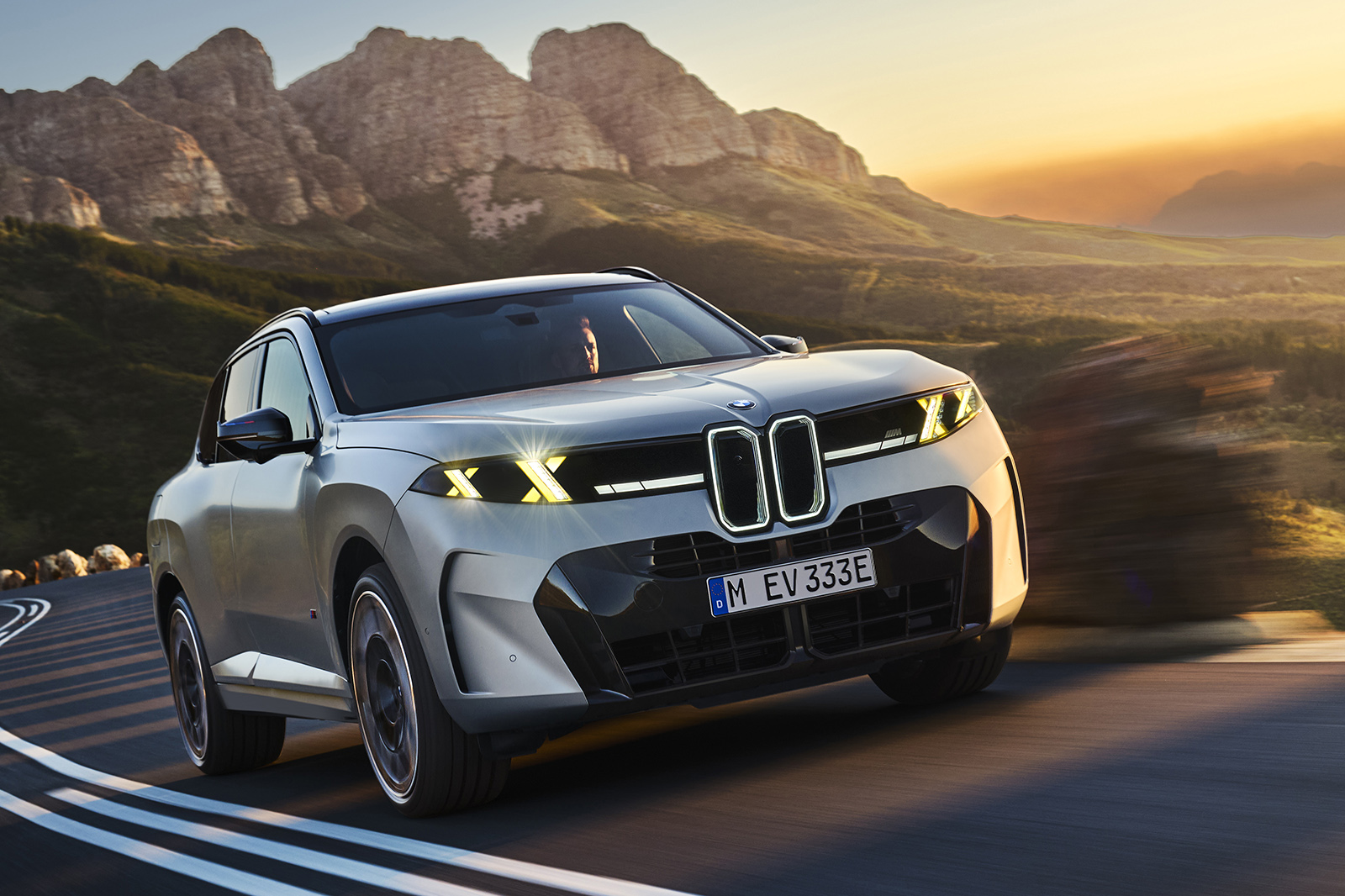
BMW’s fifth‑generation X5 is being billed as the most versatile SUV in the brand’s history – a single model that will be sold with petrol, diesel, plug‑in hybrid, battery‑electric and even hydrogen powertrains. Yet the very strategy that promises maximum market coverage also hides a critical engineering gamble: the same CLAR architecture will underpin both the heavyweight electric iX5 and the traditional internal‑combustion variants. In a segment where range, price and performance are decisive, the decision to reuse a common platform could shape BMW’s competitiveness in the United States and Europe for years to come.
Deep Dive
According to Autocar, production of the new X5 begins in August at BMW’s Spartanburg plant in South Carolina, with ICE models rolling off the line first and the electric and plug‑in hybrid versions following early next year. The company says the base ICE price in the UK will be around £80,000, with the electric version priced at a “small premium”. This staggered rollout reflects BMW’s assessment that the US market – historically the X5’s biggest – remains “EV‑skeptical”, while European buyers are increasingly demanding electrified options.
The iX5 will be equipped with a 140 kWh cylindrical‑cell battery – the largest pack fitted to a production EV in Europe – delivering a WLTP‑certified 497‑mile range. The same Gen6 cells, 25 mm taller than those used in the iX3, support 800 V charging at up to 450 kW and enable bi‑directional power flow. In its top‑spec 60 xDrive guise, the iX5 pairs a 325 bhp rear motor with a 245 bhp front motor for a combined 570 bhp and 593 lb‑ft of torque, propelling the 2,890 kg vehicle from 0‑62 mph in 4.7 seconds and limiting top speed to 130 mph.
While these figures are impressive on paper, the source notes that the X5’s platform is an evolution of the CLAR architecture that underpins BMW’s larger models. Using a single chassis for both ICE and EV derivatives can introduce “technical compromises that in particular dent the electric version's performance and packaging”. The iX5’s weight, nearly half a tonne more than the iX3, illustrates the penalty of fitting a massive battery into a structure originally designed for a conventional drivetrain. BMW argues the platform is “versatile enough to accept multiple powertrains without compromise”, but the reality may be a heavier, more expensive EV that struggles to match purpose‑built rivals such as the Mercedes‑EQE SUV, which uses a dedicated electric underbody.
Beyond engineering, the shared platform strategy has supply‑chain implications. The 140 kWh pack relies on taller cylindrical cells, a departure from the pouch‑cell trend dominating most European EVs. Scaling production of these larger cells will require new tooling and may expose BMW to bottlenecks if cell manufacturers cannot meet demand. Moreover, the high‑capacity pack pushes the limits of current charging infrastructure; while 450 kW chargers exist, they are still scarce outside major metropolitan areas, potentially limiting the iX5’s real‑world usability.
On the combustion side, BMW will not offer the pure‑petrol B58‑based model in the UK, opting instead for a diesel‑only 40d xDrive. According to the source, this model uses a 3.0‑litre straight‑six delivering 282 bhp, 479 lb‑ft, 0‑62 mph in 6.2 seconds, up to 40.4 mpg and a three‑tonne towing capacity. The decision bucks the broader industry trend of phasing out diesel SUVs, suggesting BMW believes a residual demand exists in the large‑SUV segment, particularly in markets where diesel remains popular for its torque and fuel economy.
Hydrogen power is also on the roadmap, with BMW promising a fuel‑cell X5 variant within the next two years. While the source does not disclose performance figures, the inclusion of a hydrogen option signals a hedge against future regulatory shifts that could penalise both diesel and battery EVs.
Audit & Contradictions
The announcement leaves several key details undisclosed. First, pricing for the iX5 beyond the vague “small premium” is absent, making it difficult to assess its competitiveness against rivals. Second, the source does not provide any concrete timeline or performance data for the upcoming hydrogen model, only noting that it will be added “over the next two years”. Third, while the diesel‑only 40d xDrive specifications are detailed, they appear solely in the Autocar article, making them a single‑source claim that should be treated with caution. No contradictions were identified across the independent outlets that have reported the story, so the overall fact‑check level is low.
Future Outlook
BMW’s platform gamble could force a strategic crossroads. If the iX5’s weight and cost prove prohibitive, the model may struggle to achieve the sales volumes needed to justify the investment, especially as competitors roll out lighter, cheaper EVs built on dedicated architectures. Conversely, the ability to shift production between ICE, hybrid, electric and hydrogen variants on a single line offers BMW flexibility to respond to regional demand swings – a valuable trait in a market where US diesel sales remain robust while Europe accelerates toward stricter CO₂ limits.
Regulators may also push BMW toward more decisive action. The European Union’s upcoming emissions standards could make diesel offerings increasingly untenable, while the United States is likely to tighten fuel‑economy targets for large SUVs. BMW’s decision to retain diesel in the UK could attract scrutiny from environmental groups and policymakers, potentially prompting future revisions to the powertrain mix.
For rivals, the X5’s mixed‑powertrain strategy serves as a cautionary tale. Brands that have committed to dedicated EV platforms – such as Audi with the Q8 e‑tron – may enjoy lower development costs per model and clearer marketing messages. Yet BMW’s approach could pay off if the market continues to fragment, allowing the company to capture niche demand across multiple propulsion technologies without the need for separate model programmes.
Ultimately, the success of the new X5 will hinge on whether the shared CLAR platform can truly deliver “unrivalled driving dynamics” and competitive EV performance without inflating price or compromising range. The industry will be watching closely as the first units roll off the Spartanburg line later this year.