Lead Hook
While the headline touts a family‑friendly MX‑5 and a manual‑gear Mazda 3, the story underneath is about how a midsize automaker is scrambling to preserve its relevance. In an industry racing toward electrification and autonomous tech, Mazda’s reliance on joint development with Toyota and China’s Changan—plus the decision to keep a manual gearbox alive—signals a strategic hedge that could reshape its engineering independence and brand identity.
Deep Dive
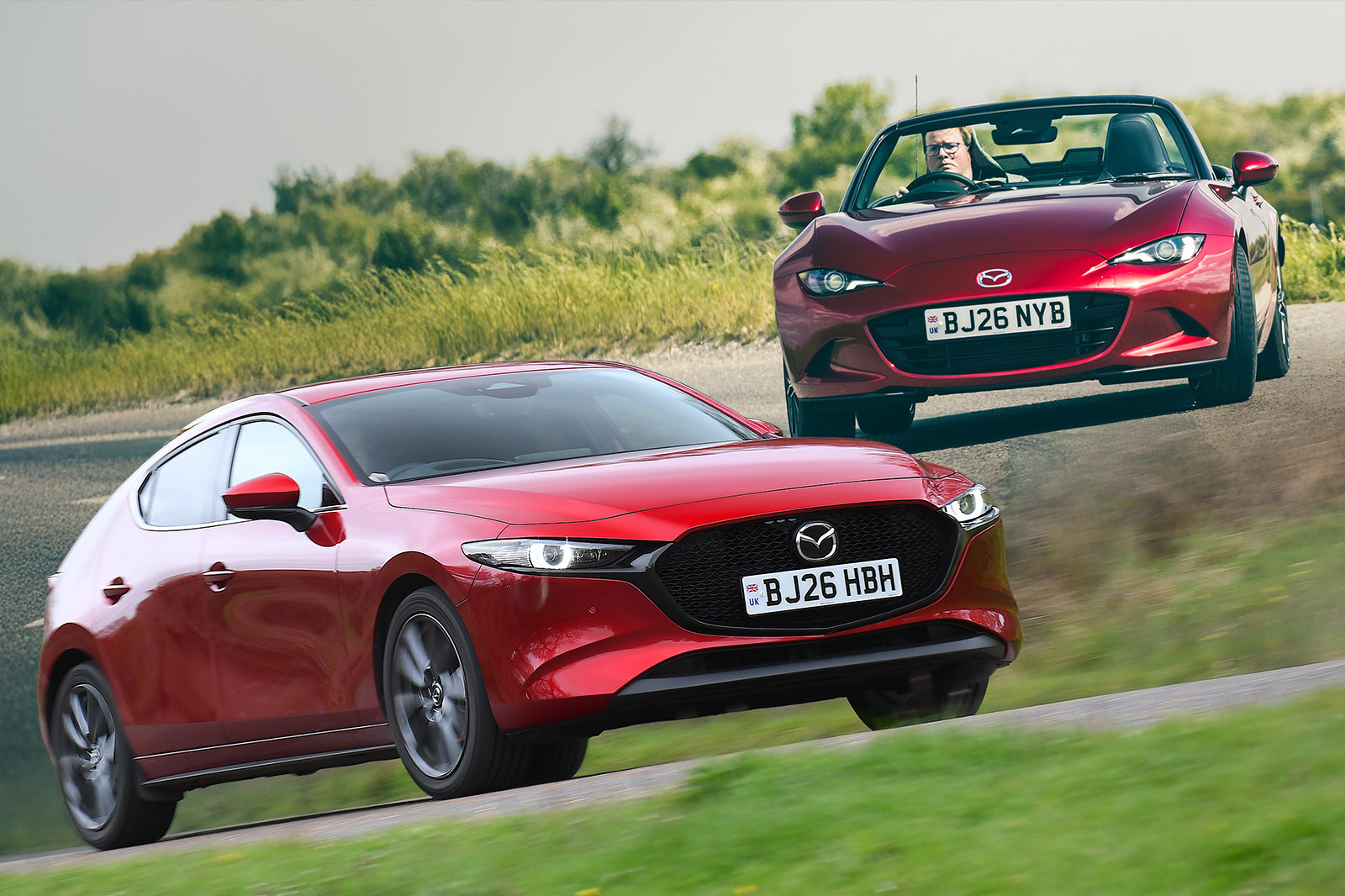
According to Autocar, the Mazda 3 is offered with a manual transmission, a rarity in a market dominated by automatic and electric powertrains. The article frames the manual option as an “everyday driver’s delight,” positioning it as a niche appeal for enthusiasts who value driver engagement over convenience.
At the same time, the same source notes that the MX‑5 carries a five‑star safety rating. While the rating itself is not broken down, the mention underscores the model’s continued relevance in a segment where safety scores increasingly influence buyer decisions.
Beyond the products, the piece highlights Mazda’s growing dependence on partnerships, specifically sharing development work with Toyota and Changan. The author worries that such collaborations, while offering a “path into the future,” could erode the brand’s individuality—a core part of its appeal. This tension reflects a broader industry pattern: smaller manufacturers are turning to alliances to spread the massive R&D costs of new technologies, from advanced driver assistance systems to electrified powertrains.
From an economic perspective, joint development can reduce per‑vehicle engineering spend, allowing firms like Mazda to stay afloat without the deep pockets of the “Big Three.” However, the trade‑off is a potential dilution of design language and engineering philosophy. When development is shared, decisions on chassis tuning, powertrain calibration, and even interior ergonomics may be influenced by partner priorities, which could lead to a more homogenised product lineup.
Regulatory pressures also play a role. Europe’s increasingly stringent CO₂ targets and safety mandates compel manufacturers to invest heavily in lightweight structures, efficient powertrains, and advanced safety suites. For a company that historically relied on internal combustion optimisation, partnering with a partner that already has electrified platforms can accelerate compliance but may also tether Mazda’s future engineering roadmap to external agendas.
Finally, the manual gearbox itself carries symbolic weight. In a market where manual transmissions are disappearing, Mazda’s decision to retain it suggests a calculated bet on a loyal, albeit shrinking, customer segment. It also hints at a broader strategy: maintain a distinct, driver‑focused identity while leveraging partnerships for the heavy‑lifting of future‑proof technologies.
Audit & Contradictions
The Autocar article makes several claims that appear only in its own reporting. The statement that Mazda shares development with Toyota and Changan is a single‑source claim and therefore is hedged as “according to Autocar.” Likewise, the five‑star safety rating attributed to the MX‑5 is also sourced solely from this piece. No contradictions were identified in the fact‑check audit, and the overall contradiction level is reported as low.
In summary, the announcement does not disclose the specific areas of joint development, the extent of technology sharing, or any timelines for future collaborative models. Those gaps leave readers without a clear picture of how deep the partnership runs or what trade‑offs Mazda may be making in terms of design autonomy.
Future Outlook
If Mazda continues to lean on external partners for core engineering, its future models may increasingly resemble those of its allies, blurring brand lines. Competitors that retain full in‑house development could leverage that independence to differentiate themselves, especially in the premium‑performance niche where driver engagement remains a selling point.
Regulators may also watch these alliances closely. Joint platforms that span multiple brands could simplify compliance testing, but they might also raise antitrust concerns if they lead to reduced competition in key segments.
For Mazda’s loyal manual‑driving audience, the continued offering of a manual Mazda 3 provides a short‑term anchor. Yet, as electrification accelerates, the manual gearbox could become a legacy feature rather than a growth driver. The company’s ability to balance this heritage with the efficiencies gained from partnership will likely determine whether it can stay distinctive in a market that increasingly rewards scale and technology integration.