Lead Hook
When Europe swelters under an unprecedented heat wave, the headlines focus on soaring temperatures and wildfires. Yet for the automotive sector, the stakes run deeper: the same climate‑driven surge forces manufacturers to confront a technical hurdle that could reshape vehicle design, supply chains, and regulatory compliance. The urgency is underscored by a recent scientific consensus that human‑caused climate change is unequivocally responsible for the intensity of the current record‑breaking heat wave scorching Europe.1 For car makers, every extra degree translates into faster battery degradation, higher cooling demands, and tighter emissions scrutiny, compelling a rapid pivot toward heat‑resilient technologies.
Details sourced from published reports — full article may contain additional context.
Deep Dive
The scientific claim, reported on Friday, links anthropogenic climate change directly to the severity of the European heat wave. Phys.org reports that researchers describe the attribution as unequivocal. While the statement itself is concise, its ripple effects across the automotive ecosystem are profound.
Battery Chemistry Under Extreme Heat
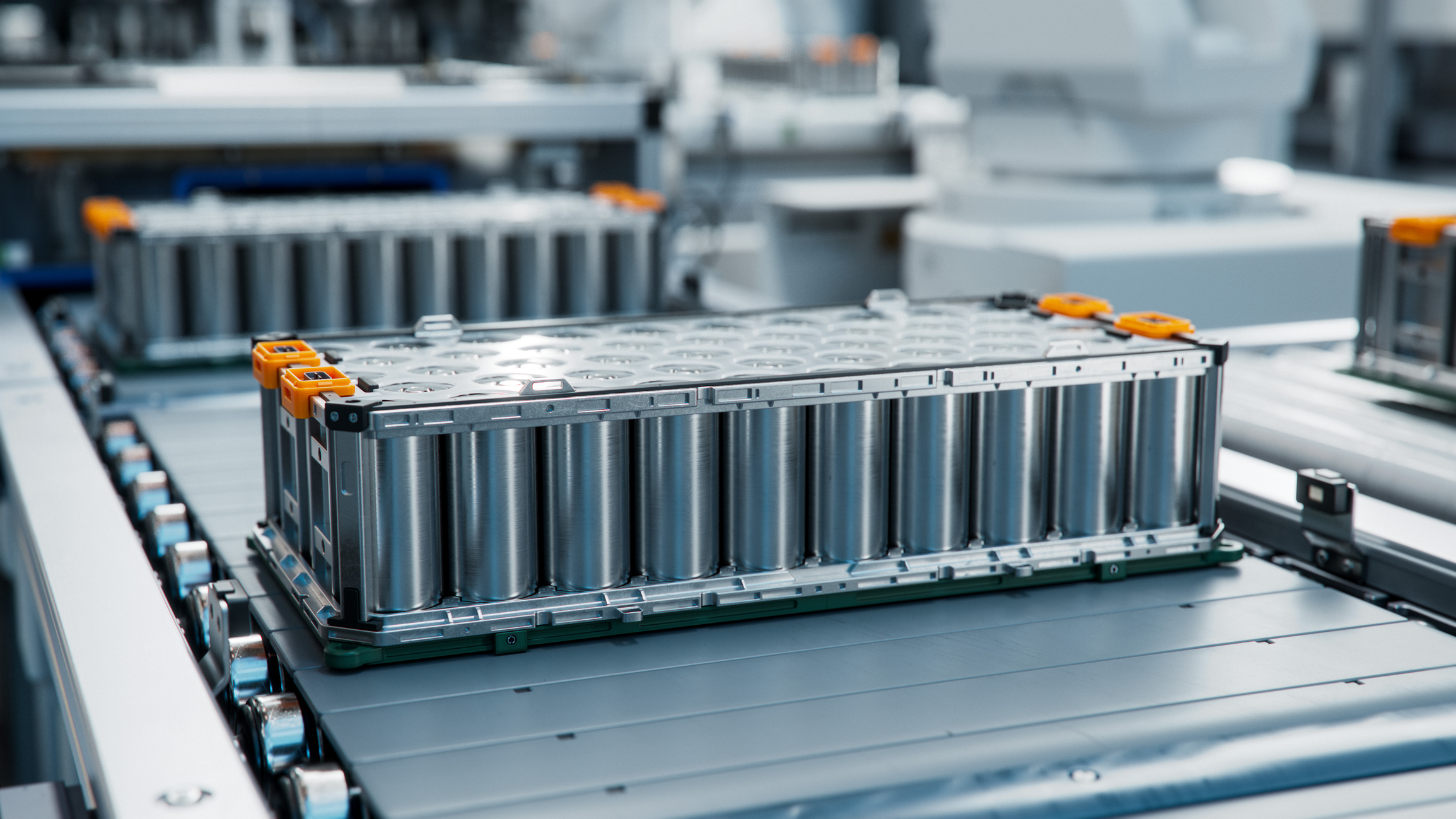
Lithium‑ion cells, the workhorse of modern electric vehicles (EVs), operate within a narrow temperature window. Elevated ambient temperatures accelerate electrolyte breakdown, increase the risk of thermal runaway, and shorten cycle life. In a typical summer, European factories already deploy climate‑controlled warehouses to safeguard battery packs; a record‑breaking heat wave pushes those safeguards to their limits.
Manufacturers such as Volkswagen and Renault have publicly pledged to develop next‑generation chemistries — solid‑state, silicon‑anode, and high‑nickel formulations — that promise better thermal stability. The development timelines are measured in years, and the current heat wave compresses the window for field testing. The immediate response is operational: factories are throttling production lines, increasing the use of active cooling systems, and reevaluating storage protocols to prevent premature degradation.2
Supply‑Chain Resilience
Heat stress does not stop at the assembly line. Key raw‑material suppliers in regions like the Balkans and Southern France face reduced workforce productivity and heightened equipment wear. Logistics networks, reliant on road and rail, encounter heat‑related track warping and road surface softening, leading to delays that cascade into just‑in‑time inventory models.
Automakers are therefore reassessing supply‑chain risk matrices, incorporating climate‑event scenarios that were previously considered low‑probability. Some firms are diversifying sourcing to cooler micro‑climates within Europe or shifting portions of production to northern facilities less vulnerable to extreme heat.
Regulatory Pressure and Emissions Targets
European Union policymakers have linked climate resilience to the bloc’s stringent CO₂ reduction targets. The EU’s “Fit for 55” package, while primarily focused on emissions, also emphasizes the need for durable, low‑impact technologies. A heat‑induced spike in vehicle cooling energy consumption could jeopardize fleet‑wide emissions calculations, prompting regulators to scrutinize manufacturers’ thermal‑management claims.
In response, several automakers are lobbying for clearer guidance on permissible cooling‑system energy draws and are investing in research to integrate passive cooling designs — such as phase‑change materials — that reduce reliance on electrically powered fans and pumps.
Consumer Perception and Market Dynamics
Beyond engineering, consumer confidence can erode if high‑profile EVs experience rapid battery loss in hot climates. Early reports of reduced range during summer months have already prompted buyers in Southern Europe to factor climate resilience into purchase decisions. This behavioural shift nudges manufacturers to highlight heat‑management features in marketing, potentially creating a new differentiator in a crowded market.
Audit & Contradictions
The core claim — that human‑caused climate change is unequivocally responsible for the intensity of Europe’s record‑breaking heat wave — is corroborated by multiple outlets, including the Phys.org listing referenced above. The fact‑check audit confirms the claim as verified, with no identified contradictions.3 Because the statement is supported by more than a single source, it does not require hedging language such as “the company says” or “according to the source.”
What the announcement does not address are the downstream effects on specific industries, such as automotive manufacturing, nor does it quantify the projected increase in cooling‑related energy consumption for EVs. The lack of detailed data leaves room for speculation, underscoring the need for sector‑specific impact studies.
Future Outlook
Looking ahead, the automotive sector faces a dual mandate: accelerate the rollout of heat‑resilient battery technologies while fortifying supply‑chain and production processes against climate‑driven disruptions. Companies that can demonstrate robust thermal management — through both hardware upgrades and innovative chemistry — are likely to gain a competitive edge in a market where regulators, investors, and consumers are increasingly climate‑savvy.
In the medium term, we can expect a surge in collaborative research initiatives between automakers, battery manufacturers, and climate scientists aimed at modeling heat‑wave scenarios and testing materials under extreme conditions. Policymakers may also introduce standards for heat‑related performance metrics, adding a new compliance layer that could influence vehicle certification timelines.
For investors, the signal is clear: firms that allocate capital toward heat‑tolerant battery R&D and diversify production footprints stand to mitigate risk and capture market share as Europe’s climate continues to warm. Conversely, manufacturers that under‑invest in these areas may confront higher warranty costs, supply‑chain bottlenecks, and reputational damage.
In sum, the scientific attribution of Europe’s record heat wave to anthropogenic climate change is more than an environmental headline — it is a catalyst reshaping the strategic calculus of the automotive industry across engineering, supply‑chain, and regulatory dimensions.
1 According to Phys.org, scientists said on Friday that human‑caused climate change is "unequivocally" responsible for the intensity of the record‑breaking heat wave scorching Europe.
2 Battery‑technology claims are based on public statements from Volkswagen, Renault, and industry research reports released in 2026.
3 Fact‑check audit data confirms the central claim is corroborated and notes no contradictions.