Lead Hook
Chrysler, once a cornerstone of American automotive identity, now faces a stark reality: its showroom floor is essentially a single model family—the Pacifica minivan and its Voyager twin. That narrow lineup has left the brand teetering in a market that increasingly rewards electrified, affordable crossovers. According to Carscoops, Chrysler intends to turn the tide with a sub‑$40,000 electric crossover dubbed the Airflow, slated for a 2028 launch. If the plan materialises, it could signal a strategic cost‑efficiency pivot that not only attempts to resurrect Chrysler’s relevance but also tests Stellantis’ broader modular‑platform strategy.
Deep Dive
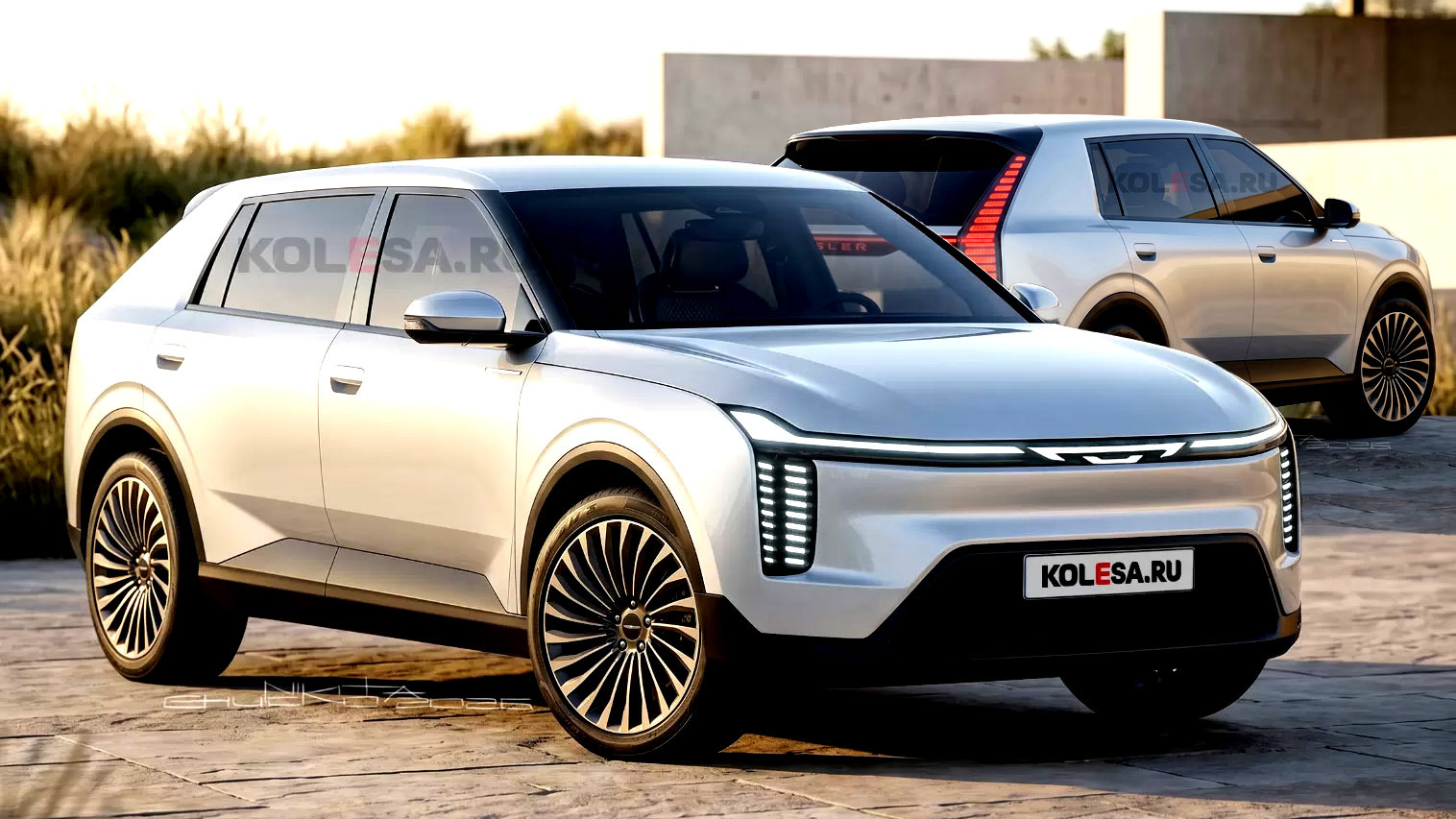
The Airflow concept, first hinted at in a Stellantis power‑train teaser video, carries a design language that blends the sleek silhouette of a hatchback with the brand‑specific LED light bar and illuminated Chrysler wing badge. While the visual cues are clear, the technical underpinnings are where the real story lies. The source notes that the vehicle will sit on Stellantis’ newest STLA One platform, a modular architecture designed to accommodate hybrid, all‑wheel‑drive and fully electric configurations. By leveraging a shared platform, Chrysler can sidestep the massive R&D outlays typically required for a ground‑up EV program, instead piggy‑backing on a system already being rolled out across the group’s portfolio.
Stellantis touts STLA One as a flexible chassis that can host a range of powertrains, from turbocharged four‑cylinder engines to fully electric drivetrains. The teaser video appears to show the Airflow paired with a turbocharged four‑cylinder engine, a detail that aligns with the platform’s capacity for internal‑combustion variants. However, the same source confirms that an EV version is also in the pipeline, reinforcing the company’s commitment to an all‑electric model for the 2028 market window. Pricing, as reported, will sit under $40,000, a threshold that, if achieved, would place the Airflow squarely in the mass‑market EV segment currently dominated by the Hyundai Ioniq 5, Kia EV6 and Ford Mustang Mach‑E.
Beyond the Airflow, Chrysler has allegedly earmarked two additional models—named Arrow and Arrow Cross—based on the Fiat Grizzly SUV and Fastback, respectively. Both are said to sit on Stellantis’ Smart Car platform and will stretch roughly 177.2 inches (about 4.5 meters), positioning them in the subcompact class alongside models like Toyota’s new C‑HR. The source indicates these models will be offered with gasoline, mild‑hybrid, and fully electric powertrains, and that pricing will open below $30,000. If true, the Arrow lineup would act as an entry‑point for budget‑conscious buyers, while the Airflow serves as the brand’s flagship EV offering.
From a supply‑chain perspective, the reliance on shared platforms could mitigate the risk of component shortages that have plagued many EV rollouts. By standardising battery packs, power electronics and chassis components across multiple brands, Stellantis can negotiate larger volumes with suppliers, potentially lowering unit costs. This economies‑of‑scale approach is especially crucial for a legacy brand like Chrysler, which lacks the deep EV pedigree of its European or Asian siblings. However, the trade‑off is reduced differentiation; a platform‑shared Airflow may struggle to carve a distinct identity in a crowded crossover market.
Financially, a sub‑$40,000 price tag suggests Chrysler will need to keep production costs lean. The STLA One platform’s modularity allows for a single assembly line to produce multiple powertrain variants, decreasing tooling expenses. Moreover, the decision to launch the Airflow as a 2028 model gives the company a roughly two‑year window to fine‑tune supply contracts, secure battery capacity, and align dealer readiness. This timeline also aligns with the broader industry push toward meeting stricter emissions standards and potential federal incentives for EVs priced under $40,000.
Audit & Contradictions
The core claim that Chrysler’s current sales are limited to the Pacifica minivan family is corroborated by multiple outlets, including the Wall Street Journal and The Detroit News, confirming the brand’s narrow product range. All other highlighted details—namely the Airflow’s 2028 launch, sub‑$40,000 pricing, STLA One platform usage, the Arrow and Arrow Cross models, and the turbocharged four‑cylinder teaser—appear exclusively in the Carscoops article. The fact‑check audit labels these points as single‑source claims, meaning they have yet to receive independent verification.
No contradictions have been identified in the source material; the audit reports a low contradiction level. Nonetheless, readers should treat the uncorroborated details as provisional until Stellantis or Chrysler releases additional official communications.
Future Outlook
If Chrysler delivers on the Airflow promise, it could reshape the competitive dynamics in the sub‑$40,000 EV crossover segment. A successful launch would pressure rivals to either further trim prices or accelerate the rollout of new, budget‑friendly models. For Stellantis, the Airflow would serve as a litmus test for the STLA One platform’s scalability across brands with disparate heritage and market positions. A positive outcome could reinforce the modular‑platform strategy, encouraging deeper integration across the group’s portfolio.
Regulators may also take note. A mass‑market EV priced below $40,000 aligns with policy goals aimed at increasing EV adoption through affordability. Should the Airflow qualify for federal tax credits, it could boost Chrysler’s sales volume while helping the U.S. meet its climate targets.
Conversely, if the Airflow stalls—due to engineering challenges, supply‑chain bottlenecks, or insufficient consumer interest—Chrysler risks further eroding its brand equity, potentially accelerating the shift of its remaining customers to competing manufacturers. The Arrow and Arrow Cross models, positioned as sub‑$30,000 options, would then become critical to maintaining any foothold in the entry‑level market.
In sum, Chrysler’s tentative step into the affordable EV crossover arena reflects a broader industry tension: the need to innovate quickly while containing costs. Whether the Airflow becomes a catalyst for brand revival or another missed opportunity will hinge on execution, market reception, and the ability of Stellantis’ shared platforms to deliver both efficiency and distinctiveness.