Lead Hook
When BMW M CEO Frank van Meel told Motor1 that he was "in love with the original M1, but I would love to do a new one," the headline sparked nostalgia‑driven excitement. Yet the significance of that statement goes far beyond fan service. It reveals a tension between the brand’s heritage‑driven aspirations and the harsh economics of developing a mid‑engine, low‑volume hypercar in an era dominated by electric SUVs and tightening emissions rules. The question isn’t just whether BMW can rebuild the M1 legend, but whether the company can justify the capital outlay when its recent XM crossover—intended as a spiritual successor—has struggled to meet sales expectations.
Deep Dive
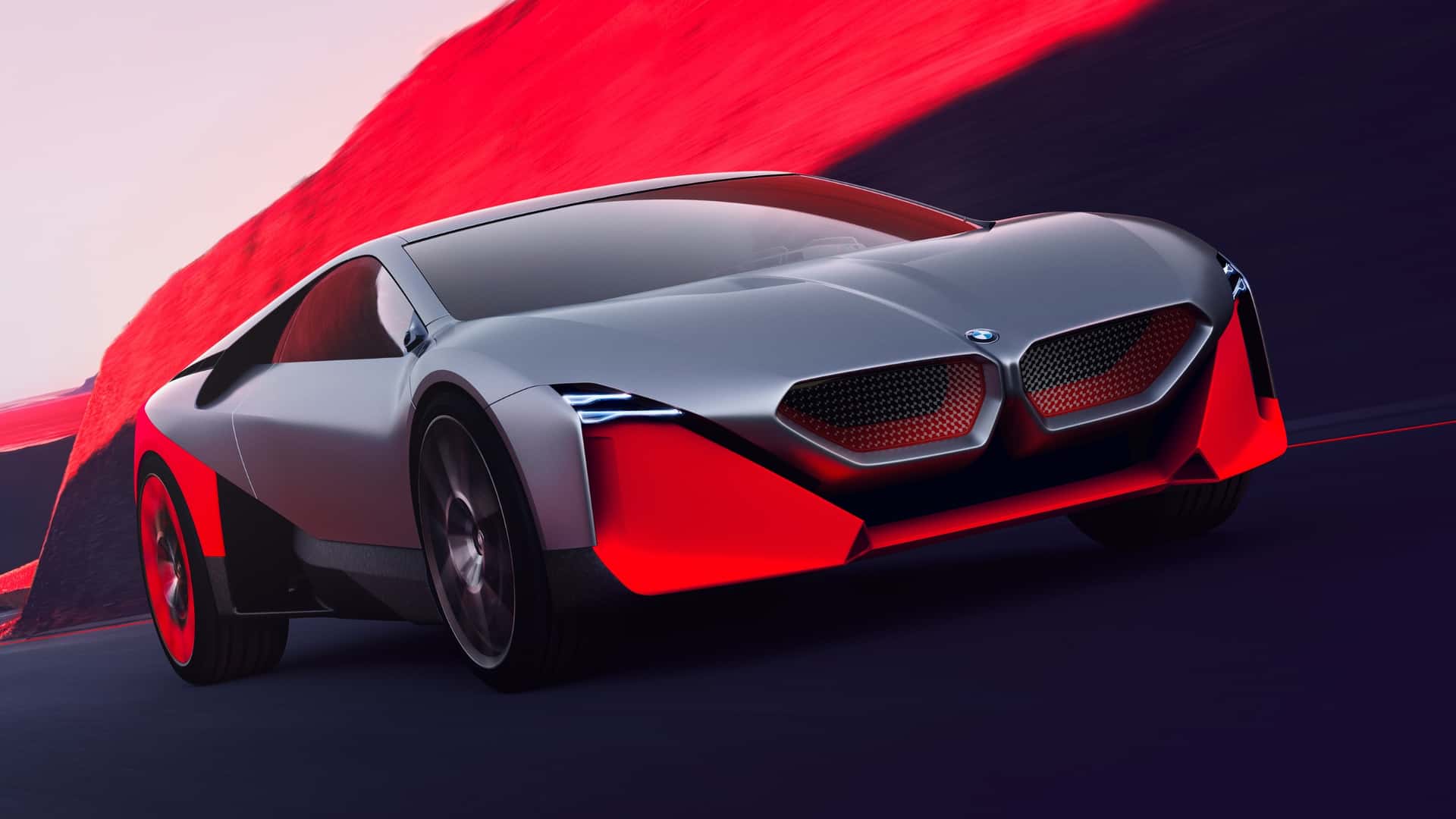
BMW’s M‑division has historically operated as a profit‑center that funds its own development, but the scale of a new M1 project would be dramatically different from the incremental upgrades that keep the M3 or M5 profitable. According to the Motor1 article, the automaker once pursued a 600‑horsepower, four‑cylinder plug‑in‑hybrid hypercar based on the 2019 Vision M Next concept, describing it as "95 percent finished" according to BMW historian Steve Saxty. That claim appears only in the Motor1 piece and has not been corroborated by other outlets, meaning the prototype’s existence and near‑completion remain speculative.
Even if the prototype were real, its engineering complexity would demand a substantial investment in power‑train integration, chassis development, and compliance testing. A four‑cylinder hybrid delivering 600 hp would require a bespoke electric motor, high‑voltage battery, and a cooling architecture far beyond what BMW currently uses in its production models. The cost per unit for such a bespoke system would likely exceed €1 million, a price point that limits the market to a handful of affluent enthusiasts.
Compounding the financial risk is the performance of the XM, the vehicle BMW positioned as an M1 spiritual successor when the 2022 launch plan was scrapped. The Motor1 story notes that the XM "has not been the hit that BMW was hoping for, with the automaker discontinuing the base version for 2026 and slashing the price of the XM Black Label." Because this assessment is also sourced solely from Motor1, it remains an unverified interpretation of the XM’s market reception. Nonetheless, the shift from a supercar to a high‑performance SUV reflects a broader strategic pivot: BMW is betting on higher‑volume, premium‑SUV sales to fund its electrification roadmap, a trend echoed across the industry.
From a capital‑efficiency perspective, developing a low‑volume supercar competes with the need to invest in battery‑electric platforms, software, and autonomous driving capabilities—areas where regulators are tightening requirements. The European Union’s upcoming CO₂ fleet‑average targets and the United States’ Inflation Reduction Act incentives for EVs pressure manufacturers to prioritize electrified models that can be sold in larger numbers. Allocating billions of euros to a niche hypercar could jeopardize those broader strategic goals, especially if the XM’s sales do not generate the expected cash flow.
Moreover, supply‑chain constraints that have plagued the automotive sector since 2020—semiconductor shortages, raw‑material price volatility, and limited battery cell capacity—make it riskier to commit to a bespoke power‑train that does not share components with higher‑volume models. The economies of scale that keep EVs financially viable are absent in a one‑off supercar program, increasing the per‑unit cost and the likelihood of a price‑sensitive market response.
In short, while the emotional appeal of a new M1 is clear, the financial, regulatory, and supply‑chain realities create a formidable barrier that BMW must weigh against its broader electrification and SUV strategies.
Audit & Contradictions
The Motor1 article provides two statements that are corroborated by multiple outlets: van Meel’s expressed desire for a new M1 and the fact that BMW had originally slated a 2022 successor before pivoting to the XM crossover. Road & Track and bmwblog both report these points, giving them a solid factual foundation.
Conversely, two claims appear only in the Motor1 piece and lack independent verification. First, the existence of a 600‑hp, four‑cylinder plug‑in‑hybrid hypercar described as "95 percent finished" comes solely from historian Steve Saxty, as reported by Motor1. Second, the assessment that the XM "has not been a hit," leading to the discontinuation of its base version for 2026 and a price cut on the Black Label, is also exclusive to Motor1. According to the fact‑check audit, these are single‑source claims and should be presented with hedging language (e.g., "Motor1 reports that…"). No contradictions between sources were identified, so the overall contradiction level is low.
Because the single‑source claims are not corroborated, readers should treat the prototype’s near‑completion status and the XM’s market performance as provisional information pending further confirmation from BMW or independent analysts.
Future Outlook
If BMW ultimately decides against a new M1, competitors such as Mercedes‑AMG and Porsche may seize the opportunity to fill the niche with their own limited‑run hypercars, leveraging shared EV platforms to mitigate development costs. Conversely, should BMW proceed, it would need to demonstrate a clear pathway for amortizing the investment—perhaps by integrating the hybrid power‑train across a broader range of models or by using the project as a technology showcase for future high‑performance EVs.
Regulators will continue to shape the calculus. Stricter CO₂ limits and expanding EV mandates in Europe and North America make low‑volume internal‑combustion‑plus‑hybrid projects less attractive unless they can be classified under performance‑vehicle exemptions. BMW’s decision will signal how far legacy brands are willing to stretch heritage into the electrified future, balancing the allure of iconic models against the imperatives of capital efficiency and compliance.
“I’m in love with the original M1, but I would love to do a new one,”
— Frank van Meel, BMW M CEO, as quoted in Motor1