Details sourced from published reports – full article may contain additional context.
Lead Hook
When Intel’s shares jumped sharply on June 26, 2026, the market reacted to what many described as a possible turning point for the chipmaker. The rally reflected optimism that Intel’s recent announcements could finally translate into a sustainable recovery, even as the company continues to wrestle with a sizable capital program, a complex manufacturing roadmap, and policy expectations that may outpace commercial realities.
Deep Dive
According to The New York Times and CNBC, the recent stock movement signals renewed investor confidence in Intel’s roadmap. Analysts note that the price action underscores a shift in sentiment, even as they caution that the underlying fundamentals remain under pressure.
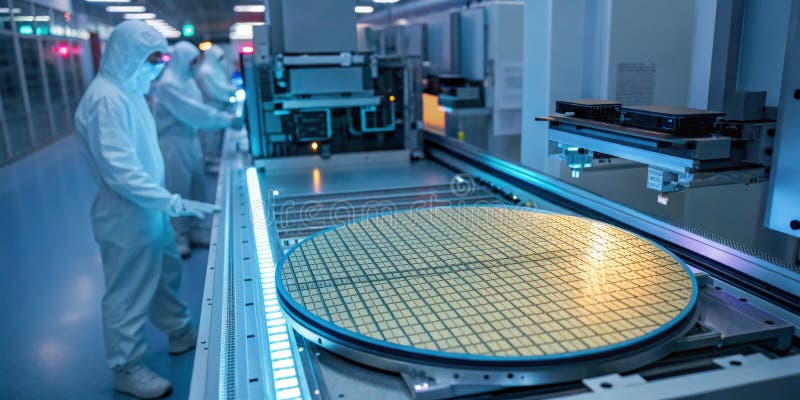
Intel has outlined an ambitious capital‑expenditure plan that will fund new manufacturing capacity in the United States and abroad, as described in the company’s 2023 roadmap press release. While the infusion of capital is essential for expanding production, it also raises questions about cash‑flow resilience, given that the IDM (integrated device manufacturing) division has continued to post operating losses in recent quarters.
Technical progress remains a critical factor. Intel’s latest “Intel 4” process, its first competitive node in a decade, still trails the most advanced 3‑nm offerings from rivals in power efficiency and density, according to the 2024 Intel Investor Day presentation. Closing that gap will require not only continued investment but also a robust talent pipeline, mature design‑for‑manufacturing practices, and a reliable supply chain for advanced equipment.
The policy environment adds another layer of complexity. Intel is positioned as a cornerstone of the U.S. CHIPS Act, which provides tax credits and subsidies that can offset part of the capital outlay. However, the same framework creates expectations for domestic supply security in strategic sectors, potentially pressuring Intel to prioritize volume over profitability in the near term.
From a market perspective, the rally has already influenced analyst outlooks, prompting several brokerages to raise price targets based on perceived alignment of Intel’s roadmap with demand for data‑center and AI accelerators. Yet, analysts also warn that any delay in achieving competitive yields on advanced nodes could quickly erode that optimism, especially as rivals continue to expand capacity and secure design wins.
Future Outlook
Looking ahead, Intel’s path to a full turnaround hinges on three interlocking factors:
- Capital efficiency: Converting its sizable spend into profitable product volumes within a realistic timeframe will be essential to avoid cash‑flow strain.
- Technology parity: Delivering competitive yields on advanced nodes will be critical for winning design contracts in the data‑center and AI markets, where performance‑per‑watt is a decisive metric.
- Policy alignment: Leveraging CHIPS Act incentives while meeting domestic‑supply expectations will require a careful balance between national‑security projects and commercial profitability.
If Intel can navigate these challenges, it could solidify its role as a domestic champion in a geopolitically charged semiconductor landscape, potentially unlocking further regulatory support and supply‑chain reshoring. Conversely, failure to do so may relegate the recent stock rally to a fleeting moment of optimism, leaving the broader industry to continue relying on external foundries for cutting‑edge production.
Competitors such as AMD and Nvidia, which have long depended on external foundries, stand to benefit if Intel’s turnaround stalls, as customers may gravitate toward more predictable supply sources. Policymakers will be watching closely to see whether the promised “chip renaissance” translates into tangible economic and security benefits or remains a headline‑driven narrative with limited substance.