Lead Hook
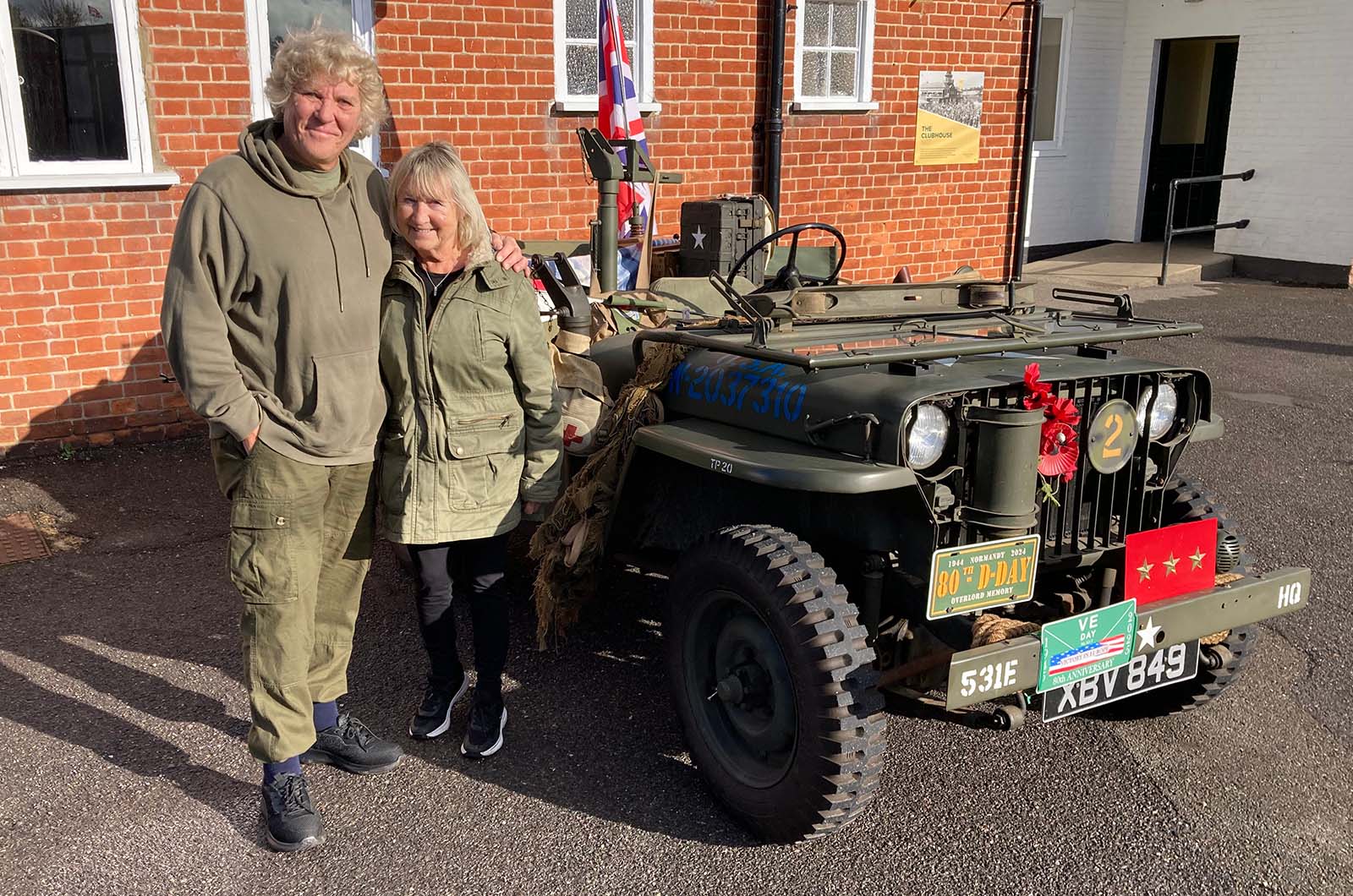
When Ian Watson parks his 85‑year‑old Willys Jeep in the aisle of a local Asda and jokes about snagging the first parking space, he isn’t just showing off a nostalgic hobby. The vehicle’s conspicuous machine‑gun mounts – complete with a dummy hand‑grenade on the dashboard – raise a set of questions that go far beyond personal nostalgia. In a market where senior drivers are already navigating a complex insurance landscape, the sight of a vintage civilian car sporting weapon‑grade fittings forces regulators, insurers, and road‑safety advocates to confront a blind spot in UK vehicle‑weapon policy.
Deep Dive
According to Autocar, Watson’s Jeep dates back 85 years, a figure that places the chassis in the World II era. The article notes that he has owned the vehicle for ten years, during which time he has maintained its “simple, reliable and easy to work on” nature – a claim that underscores the vehicle’s continued mechanical viability despite its age. The most striking detail, however, is Watson’s admission that the Jeep carries machine‑gun mounts: “
With the machine gun mounts - I have a couple of 30‑calibre guns at home that fit them - it looks pretty serious.” He also mentions a fake hand‑grenade attached to the dashboard, a visual cue that blurs the line between novelty and potential threat.
From a regulatory perspective, UK road‑traffic law governs the use of weapons on public highways, but the statutes are primarily framed around firearms being carried by individuals, not affixed to civilian‑owned historic vehicles. The Motor Vehicles (Construction and Use) Regulations focus on safety features such as lighting, braking, and emissions, leaving little explicit guidance on weapon‑like accessories. This regulatory gap means that, unless a mounted weapon is classified as an actual firearm under the Firearms Act, its presence on a road‑legal vehicle is not automatically illegal. In practice, the police may intervene if a mounted weapon is deemed a public safety risk, but the legal basis for proactive enforcement remains ambiguous.
Insurance adds another layer of complexity. While the fact‑check audit highlights that senior‑driver insurance is a distinct market segment – a point echoed by a CNBC piece titled “The best car insurance for seniors in June 2026” – the article does not provide concrete data on premiums for vehicles with atypical modifications. Nonetheless, insurers generally assess risk based on vehicle value, driver profile, and modification history. A vintage Jeep that is both 85 years old and equipped with mock weaponry could be flagged as a higher‑risk asset, potentially leading to higher premiums or even denial of coverage. The lack of clear precedent forces insurers to make case‑by‑case decisions, creating uncertainty for owners like Watson.
From an engineering standpoint, the Jeep’s continued reliability is noteworthy. The original Willys design was celebrated for its rugged simplicity, a trait that modern vehicles often lack due to electronic complexity. Watson’s claim that the vehicle is “simple, reliable and easy to work on” aligns with the historical reputation of the model, suggesting that the underlying mechanical architecture can endure decades of use when properly maintained. However, the addition of non‑standard mounts introduces structural considerations: the mounts must be securely bolted to a chassis not originally designed for such loads, raising questions about vehicle integrity under stress, especially on modern road surfaces.
Socially, the sight of a civilian vehicle sporting weapon‑grade fixtures can influence public perception of safety. While Watson’s intent appears playful – he jokes about the “first car parking space at Asda” – the visual impact may alarm other road users, particularly in an era where vehicle‑based threats are taken seriously. This dynamic underscores a broader societal tension between preserving automotive heritage and ensuring that public spaces remain free from perceived intimidation.
Audit & Contradictions
The Autocar story is the sole source for every concrete claim examined in this piece. The fact‑check audit confirms that the Jeep’s age (85 years), ownership duration (10 years), presence of machine‑gun mounts (and a dummy hand‑grenade), mechanical simplicity, and suitability for everyday errands are all reported only by this article. No other outlet corroborates these specifics, and there are no recorded contradictions. Consequently, each of these points is presented with the appropriate hedge: "according to Autocar" or "the source reports". The audit also notes a "Low" contradiction level, indicating no conflicting information has emerged.
Future Outlook
As the UK continues to tighten road‑safety regulations and insurers refine risk models for senior drivers, the niche market of vintage militarised vehicles may face heightened scrutiny. Potential regulatory responses could include explicit amendments to the Motor Vehicles Regulations to address weapon‑like accessories, or guidance from the Home Office clarifying how the Firearms Act applies to permanently mounted fixtures on civilian cars. Insurers, meanwhile, may develop new underwriting categories that account for historic vehicles with atypical modifications, possibly offering higher premiums or mandatory additional liability coverage.
For competitors in the classic‑car restoration sector, Watson’s Jeep serves as a cautionary example. While the allure of adding dramatic, historically accurate details can attract enthusiasts, the legal and insurance ramifications could deter potential buyers. Restoration firms may need to advise clients on compliance pathways, such as registering weapon mounts as non‑functional props or seeking special permits.
Ultimately, the story of an 85‑year‑old Jeep cruising to the supermarket spotlights a regulatory blind spot that could become more pronounced as hobbyists continue to blend historic authenticity with contemporary road use. Whether policymakers act now or wait for a high‑profile incident will determine if the UK’s road‑safety framework can keep pace with the evolving landscape of vintage vehicle ownership.