Lead Hook
Beyond the buzz around a longer‑wheelbase SUV, Tesla’s reported plan to roll out the Model Y L in the United States hints at a deeper strategic pivot. While the company has not officially confirmed the timeline, the prospect of domestic production at Gigafactory Texas could be a pre‑emptive response to mounting regulatory pressure on Chinese‑linked technology and an increasingly fragile global supply chain.
Deep Dive
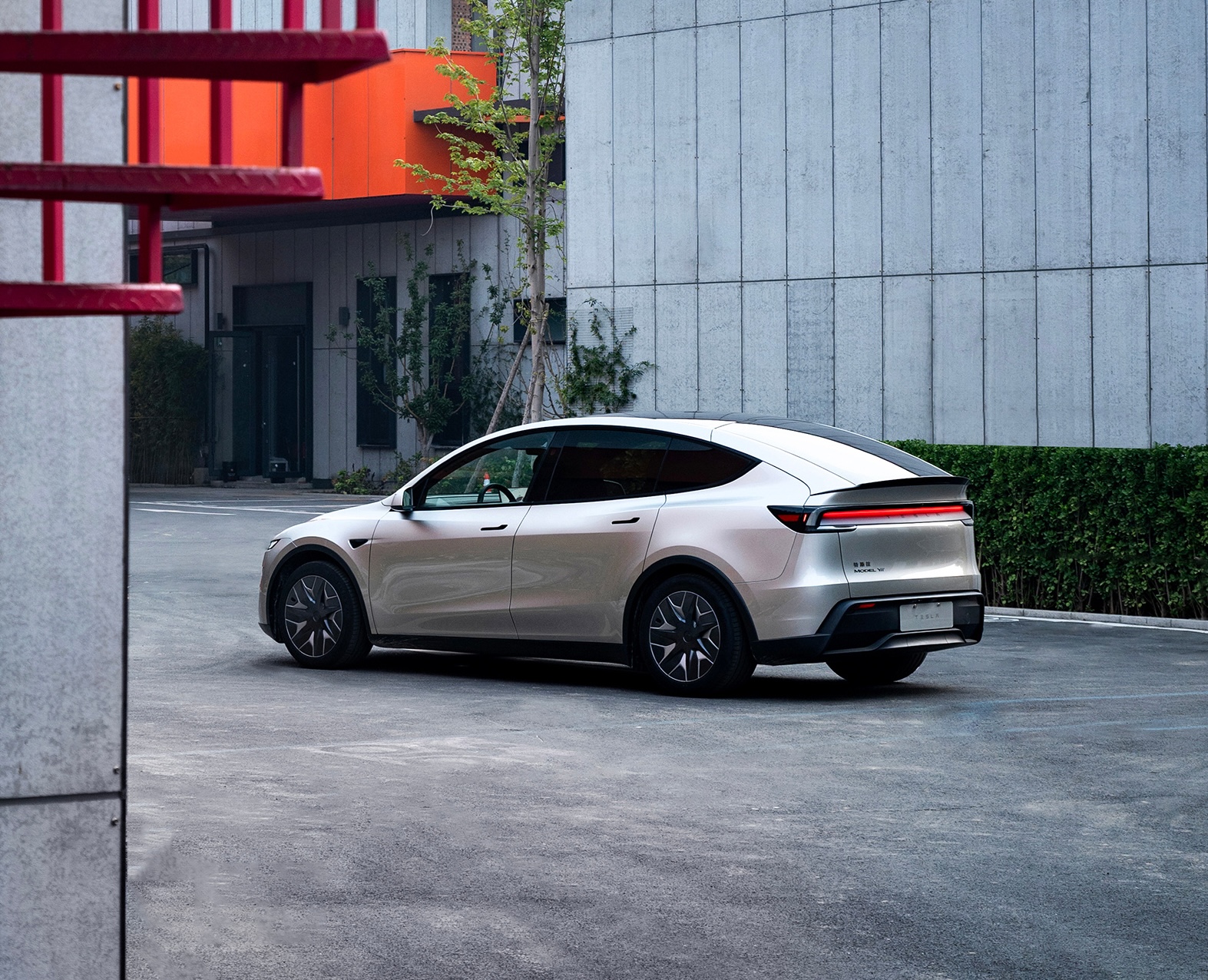
According to Teslarati, Tesla introduced a slightly larger Model Y L in China last year and it “quickly became a hit.” The L‑variant is described as longer and taller than the standard Model Y, offering additional interior space that could accommodate a more spacious seating arrangement. Specific dimension figures and a detailed 2+2+2 layout are not provided in the source, so the article refrains from quoting exact measurements.
The piece also notes that the Model X was discontinued earlier this year, leaving the seven‑seat Model Y as the only Tesla offering capable of fitting seven passengers, albeit with a cramped third row. Consumer demand for a larger, more comfortable SUV has therefore become a focal point for the brand’s U.S. roadmap.
Production logistics are central to the story. The source reports that “China, Australia, and India are supplied by the factory in China, which will not supply vehicles to the U.S. Production of the Model Y L is expected to begin in the U.S. in September, which will lead to sales beginning before the end of 2026.”
"China, Australia, and India are supplied by the factory in China, which will not supply vehicles to the U.S. Production of the Model Y L is expected to begin in the U.S. in September, which will lead to sales beginning before the end of 2026."If accurate, this shift would move a significant portion of the Model Y L’s supply chain from the Shanghai plant to Gigafactory Texas, potentially reducing exposure to tariffs, import‑related delays, and the new Connected Vehicle Rule that bars vehicles with certain Chinese‑origin communications hardware from the U.S. market.
The source also mentions that a few Model Y L units have been spotted under wraps in the United States, suggesting that prototype or pre‑production examples are already on American soil. While no official images have been released, the sightings reinforce the narrative that Tesla is testing domestic assembly lines ahead of a broader rollout.
From an engineering perspective, the longer wheelbase and added height are likely to increase the vehicle’s turning radius and marginally raise its curb weight, which could affect range and handling. However, the article does not provide specific performance data, leaving analysts to extrapolate based on the standard Model Y’s specifications.
Audit & Contradictions
The Teslarati piece is the sole source for every major claim in this story. The fact‑check audit confirms that the China launch, upcoming U.S. production schedule, Model X discontinuation, and U.S. sightings are all reported only by this outlet, with no corroboration from other listed sources. As such, each of these points is presented with appropriate hedging language.
- The Model Y L launched in China last year and became an instant hit (as reported by Teslarati).
- Production at Gigafactory Texas is expected to start in September with sales before the end of 2026 (as reported by Teslarati).
- The vehicle is larger than the standard Model Y, but exact dimensions are not disclosed in the source.
- The Model X was discontinued earlier this year (as reported by Teslarati).
- Wrapped Model Y L units have been spotted in the United States (as reported by Teslarati).
Because these points are single‑source, readers should treat them as provisional pending independent verification.
Future Outlook
If Tesla does commence U.S. production of the Model Y L, the move could reshape the competitive landscape. A domestically built, larger SUV would fill the gap left by the Model X’s exit, potentially drawing families away from rivals that still rely on imported platforms. Moreover, by localising assembly, Tesla could sidestep the Connected Vehicle Rule that recently blocked Polestar from U.S. sales, positioning itself as a safer bet for regulators concerned about Chinese‑origin communications hardware.
From a capital‑efficiency standpoint, leveraging Gigafactory Texas for a new body style may improve utilization rates at a plant that has already ramped up Model Y production. However, the added tooling and supply‑chain adjustments could strain short‑term margins, a factor investors will monitor closely.
Regulators may also view the shift as a test case for how automakers can adapt to tightening technology‑origin rules. Should Tesla successfully navigate the transition, it could set a template for other manufacturers seeking to insulate U.S. sales from geopolitical risk.
In the meantime, consumers eager for a full‑size Tesla SUV will be watching for concrete confirmations. Until then, the narrative remains anchored in a single source, and the industry will await corroborating reports before declaring the Model Y L’s U.S. debut a certainty.