Lead Hook
When a neuroscientist says that the simple act of shifting gears can keep the aging brain agile, the story sounds like a feel‑good human‑interest piece. The deeper, less‑talked‑about implication, however, is that the very market forces pushing Japanese automakers toward hybrid‑only, continuously variable transmissions (CVTs) may be stripping away a daily cognitive exercise for millions of drivers. In a country where the population is aging faster than any other, the loss of manual transmissions could have public‑health ramifications that extend far beyond the showroom floor.
Deep Dive
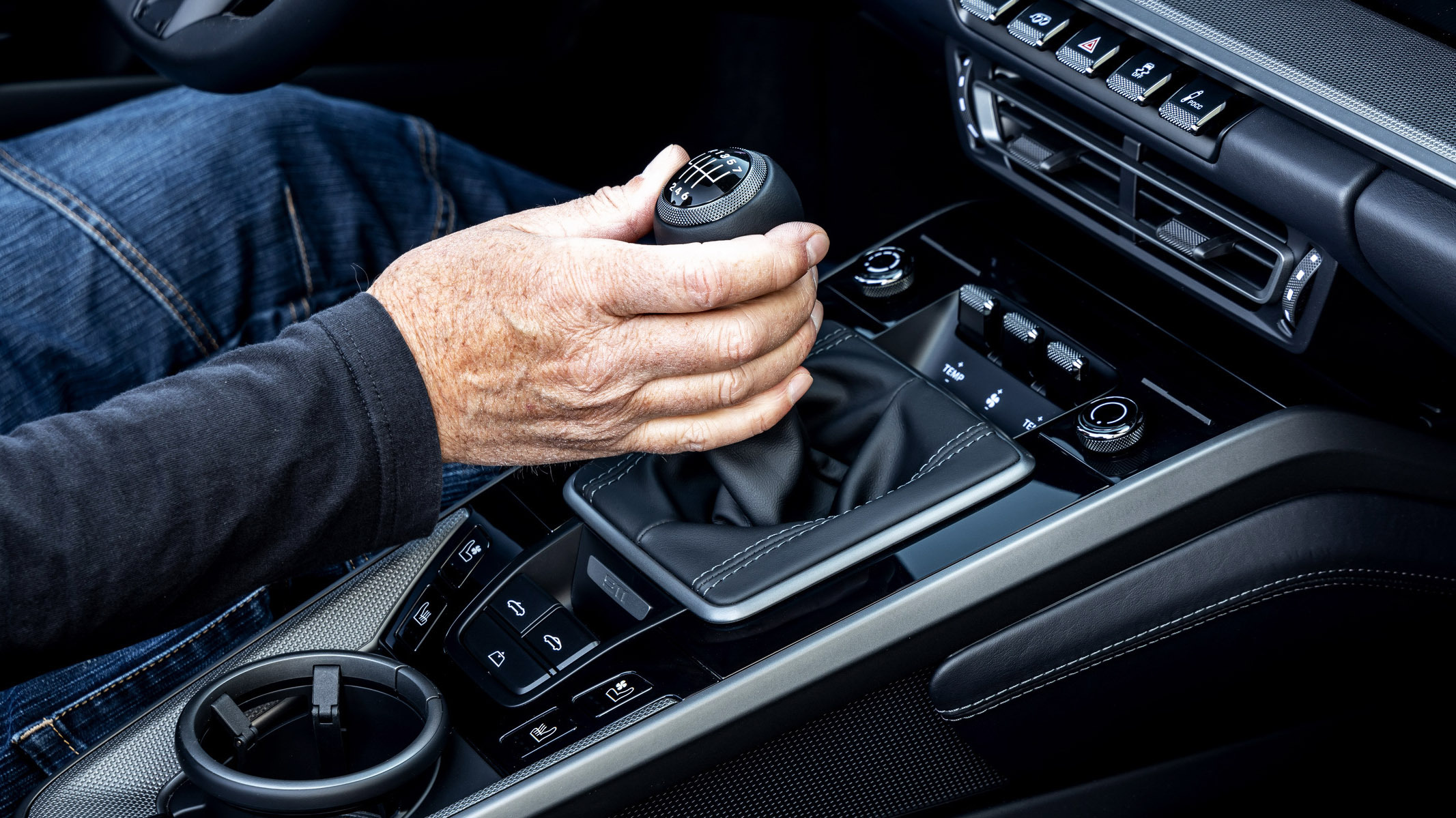
According to Carscoops, the study was led by Professor Ryuta Kawashima of Tohoku University’s Institute of Development, Aging, and Cancer. Kawashima, best known for creating Nintendo’s Brain Age series, used neuroimaging to compare the brain activity of drivers operating a manual gearbox with that of drivers in automatic or semi‑autonomous vehicles. The researchers observed heightened activation in the pre‑frontal cortex – the brain region responsible for memory, attention, and decision‑making – when participants performed the coordinated tasks of reading traffic speed, depressing the clutch, selecting a gear, and modulating the throttle.
The authors argue that this multi‑sensorial engagement constitutes a “low‑grade workout” for the brain, potentially helping to preserve cognitive function in an aging society. Japan’s demographic trajectory, with a rapidly growing proportion of seniors, makes any daily activity that can stimulate neural pathways especially valuable.
Yet the same article notes that manual transmissions have become a rarity on Japanese roads. Carscoops reports that manuals account for only 1‑2% of new vehicle sales across Japan. The bulk of the market now favors automatics, particularly CVTs, because they pair seamlessly with the hybrid powertrains that dominate models such as the Toyota Corolla and Honda Civic. These models are offered only with CVTs, according to the source, a shift driven largely by manufacturers’ need to meet stringent fuel‑efficiency and emissions standards.
Even as mainstream models abandon the third pedal, a handful of entry‑level kei vans and trucks – the Honda N‑Van, Daihatsu Hijet, and Suzuki’s Carry and Every – continue to ship with a 660 cc three‑cylinder engine paired with a manual gearbox. These vehicles sit at the bottom of the price ladder, where manufacturers can still justify the modest cost of a stick shift. However, they represent a shrinking niche, and their survival depends on the continued demand for ultra‑affordable, lightweight transport.
The market dynamics are rooted in policy and engineering economics. Japanese regulations incentivize low‑CO₂ emissions, pushing automakers to adopt hybrid systems that pair best with CVTs, which can keep the engine operating at its most efficient points. Manual transmissions, while mechanically simpler and cheaper to produce, are less compatible with the torque‑converter‑free designs that maximize hybrid efficiency. Consequently, suppliers that specialize in manual gearbox components face shrinking order books, and the expertise required to maintain and service stick‑shift vehicles may erode over time.
From a broader perspective, the decline of manuals could exacerbate a subtle public‑health issue. If future drivers spend the majority of their time in vehicles that require minimal physical interaction – a trend accelerated by the rise of semi‑autonomous features – the routine cognitive stimulus that a manual gearbox provides may disappear. While the study’s findings are preliminary, they hint at a trade‑off between environmental goals and neuro‑cognitive benefits that policymakers have not yet quantified.
Audit & Contradictions
The article’s key assertions – the pre‑frontal cortex activation, the involvement of Professor Kawashima, the 1‑2% market share for manuals, the continued manual offerings in kei vans, and the CVT‑only status of the Corolla and Civic – all originate from a single source: the Carscoops report. No independent outlet has corroborated these specific figures, and the fact‑check audit flags each as a single‑source claim. The audit also notes a low contradiction level, meaning no conflicting information has been identified in other publications.
Because these points rest on a solitary report, they should be presented with appropriate hedging. For example, “According to Carscoops, the study suggests…” or “Carscoops reports that manuals make up just 1‑2% of new sales.” This approach maintains transparency while acknowledging the limited corroboration.
Future Outlook
If the cognitive‑stimulus argument gains traction, automakers might explore ways to re‑introduce driver engagement without sacrificing efficiency. Some manufacturers are already experimenting with simulated gear‑shift paddles or haptic feedback systems that mimic the tactile feel of a stick shift, aiming to preserve a sense of involvement in hybrid and electric models. Such solutions could appease both regulators – by retaining the emissions benefits of CVTs and hybrids – and public‑health advocates who value the mental workout of manual driving.
Regulators, too, may need to broaden their evaluation criteria. While emissions and fuel economy remain paramount, emerging research could prompt agencies to consider the broader societal impacts of vehicle design, including cognitive health. Policies that support the continued production of manual‑shift kei vehicles, perhaps through targeted subsidies or tax incentives, could preserve a low‑cost platform for drivers to retain these mental benefits.
For parts suppliers, the shift signals a need to diversify. Companies that have historically supplied manual gearbox components may pivot toward producing advanced CVT or hybrid powertrain parts, or they might specialize in retro‑fitting kits that enable manual operation in electric platforms – a niche that could appeal to enthusiasts and neuro‑cognitive health advocates alike.
Ultimately, the study highlights a hidden cost of the rapid electrification and automation of the automotive fleet: the loss of everyday mental exercise embedded in the act of driving a manual car. Whether the industry will respond with engineered compromises or let the cognitive benefit fade into the background remains to be seen.