Lead Hook
Hyundai’s next‑generation Elantra arrives with a dramatically sharper silhouette, but the real story lies in how the South Korean automaker is using the model as a low‑cost bridge to electrification. While the new ‘Art of Steel’ design is confirmed by several outlets, the technical details and market rollout are still wrapped in a single‑source narrative, raising questions about Hyundai’s strategy amid tightening emissions rules.
Deep Dive
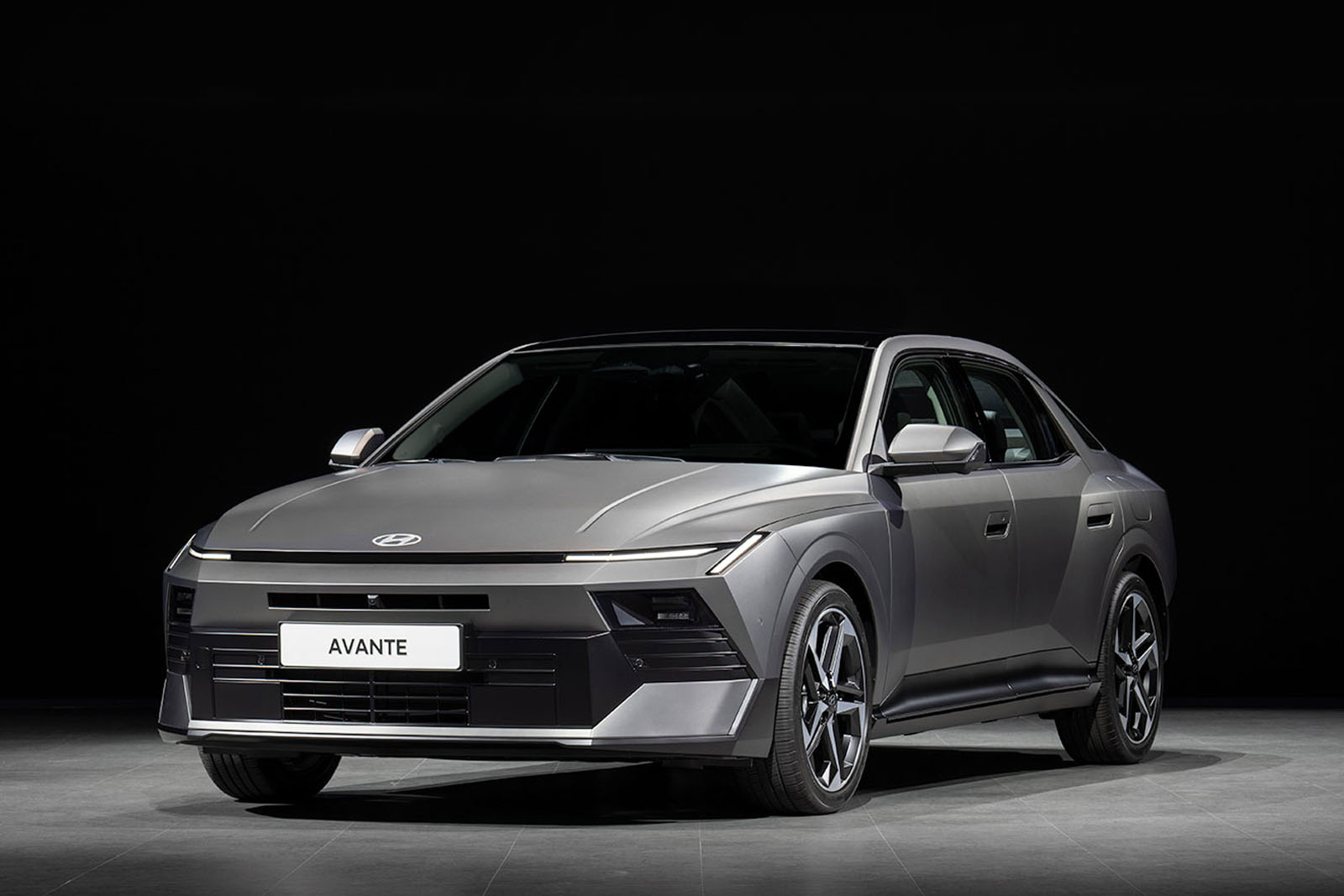
According to Autocar, the Elantra now embodies Hyundai’s most extreme application of the ‘Art of Steel’ language, featuring “sharp lines and aggressive angles” across its bodywork. The visual overhaul is intended to reposition the midsize sedan in a market that has largely migrated to crossovers.
Inside, the automaker claims the cabin is designed to be “cozy and comfortable”.
“cozy and comfortable”The dashboard and door panels wrap around the occupants, while a high‑mounted driver display mirrors the layout first seen on the Ioniq 3, keeping key data within the driver’s line of sight.
Hyundai also introduces a sizeable infotainment screen—available in either 12.9‑inch or 14.6‑inch dimensions—running on the new Pleos operating system. This platform supposedly allows users to install navigation and music apps directly on the screen, reducing reliance on smartphone mirroring.
From a dimensional standpoint, Autocar reports that the new Elantra’s wheelbase is 30 mm longer and its width 30 mm greater than the previous generation, making the car “slightly larger than the rival Skoda Octavia”. This modest increase is presented as a means to improve interior space, though independent measurements have not yet corroborated the claim.
The powertrain lineup, as described by the same source, will be limited to two options for the South Korean market: a 2.0‑litre petrol four‑cylinder delivering 147 bhp and a 1.6‑litre hybrid rated at 155 bhp. The hybrid is said to feature a predictive regenerative braking system that “reads the road ahead and automatically adjusts the strength of the regenerative effect”, a technology that could help keep the small traction battery topped up without driver intervention.
Complementing the regen system, the hybrid also includes a “stay mode” that allows the modest battery to power climate control and infotainment while the car is parked—functionality typically reserved for full‑electric vehicles with larger packs. By offering these features on a conventional hybrid, Hyundai appears to be testing cost‑effective electrification measures that may satisfy upcoming CO₂ fleet‑average targets without the expense of a full EV architecture.
From a market‑timing perspective, deliveries in South Korea are slated to begin “in the coming weeks”, yet Hyundai has not confirmed whether the model will reach mainland Europe or the UK. The previous‑generation Elantra was not sold in those regions despite testing, but the source notes that “it has not been ruled out for the latest iteration”, hinting at a possible shift in Hyundai’s regional rollout calculus.
Audit & Contradictions
The core claim that the Elantra adopts the ‘Art of Steel’ design language is corroborated by multiple independent outlets, confirming the visual transformation. However, all other technical specifications—wheelbase and width increase, power‑train outputs, predictive regenerative braking, stay‑mode capability, and the near‑term South Korean delivery schedule—appear only in the Autocar piece. According to the fact‑check audit, these are single‑source claims and must be treated with caution.
There are no reported contradictions between sources; the audit flags a “Low” contradiction level, meaning the information is consistent where it overlaps, but the lack of independent verification leaves a gap in confidence for the detailed specs.
Future Outlook
If Hyundai proceeds with a limited hybrid launch in South Korea while keeping Europe in limbo, the company may be gauging consumer response to incremental electrification before committing to larger battery packs required for EU emissions mandates. Competitors such as Toyota and Honda have long leveraged hybrid technology to meet regulatory pressure; Hyundai’s predictive regen and stay‑mode could be a cost‑efficient alternative that still earns credit under European CO₂ calculations.
Should the Elantra’s design and hybrid features prove popular, Hyundai might accelerate a European introduction, potentially reviving the sedan segment that has been eclipsed by SUVs. Conversely, a tepid market reaction could push the automaker to double down on its EV lineup—like the Ioniq series—rather than further invest in hybrid sedans.
Regulators in the EU are tightening fleet‑average targets, and manufacturers are under pressure to deliver zero‑emission vehicles at scale. Hyundai’s cautious hybrid rollout could be interpreted as a stop‑gap, buying time while its battery supply chain stabilises after recent global shortages. The “stay mode” feature, which uses a small traction battery for auxiliary loads, may also signal an attempt to showcase hybrid viability without the capital outlay of a full‑size EV battery pack.
In summary, the new Elantra’s striking exterior is a clear visual statement, but the underlying strategy—testing hybrid‑centric technologies in a core market while holding back on broader launches—reveals Hyundai’s measured approach to meeting future emissions standards without over‑committing resources.