The U.S. Electric Vehicle Market Just Got a Whole Lot Less Competitive
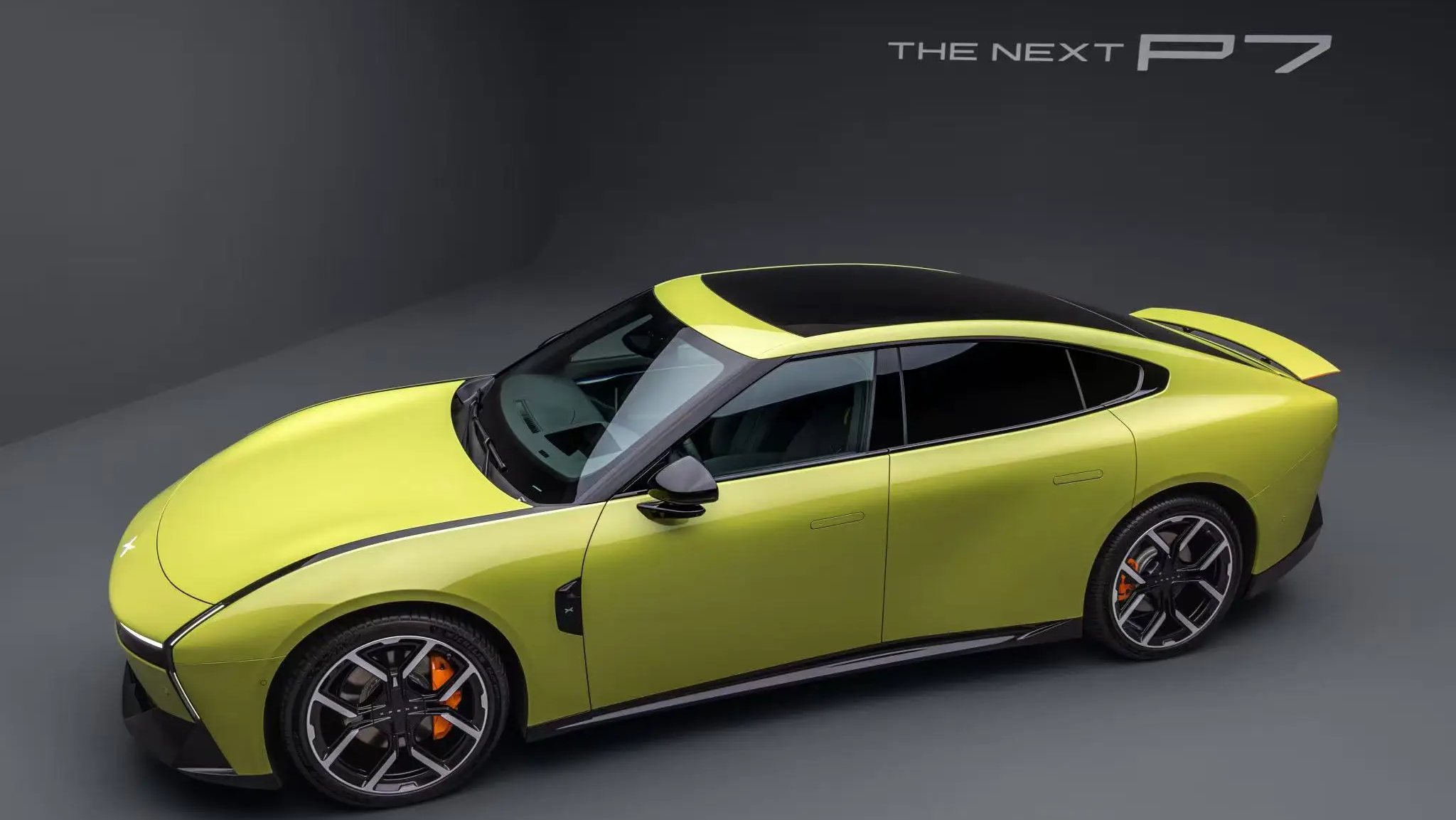
In a move that could significantly alter the competitive landscape of the U.S. electric vehicle (EV) market, Polestar, a Swedish EV manufacturer majority-owned by China's Geely Holding, has been effectively banned from selling new vehicles in the United States starting with the 2027 model year. This decision comes as a result of the U.S. Department of Commerce's Connected Vehicle Rule, which prohibits vehicles containing certain connected technologies linked to China or Russia due to national security risks.
The Deep Dive: Understanding the Connected Vehicle Rule
The Connected Vehicle Rule is part of a broader effort by the U.S. government to mitigate potential national security threats posed by connected technologies in vehicles. According to the source article, Polestar, despite producing some models domestically, could not obtain the required exemption under this rule. This has led to the company announcing that it will sell off any remaining inventory of the Polestar 3 and Polestar 4 models and continue service and warranty support for existing customers.
Audit & Contradictions: Separating Fact from Fiction
While the article provides insight into Polestar's situation, there are some contradictions and challenges to note. For instance, there is no direct confirmation from the U.S. Department of Commerce on Polestar's ban. Additionally, assumptions about Tesla's Full Self-Driving technology and over-the-air software updates having no foreign ownership entanglements require further verification. These discrepancies highlight the need for continued scrutiny and fact-checking in the rapidly evolving EV industry.
Future Outlook: What This Means for the EV Market
The ban on Polestar's new vehicle sales in the U.S. has significant implications for the EV market. As one of Tesla's biggest threats, Polestar's absence will likely reduce competition in the U.S. EV market. This development could also have a ripple effect on other EV manufacturers, particularly those with ties to China or Russia. As the EV market continues to grow, regulatory hurdles and national security concerns will play an increasingly important role in shaping the competitive landscape.