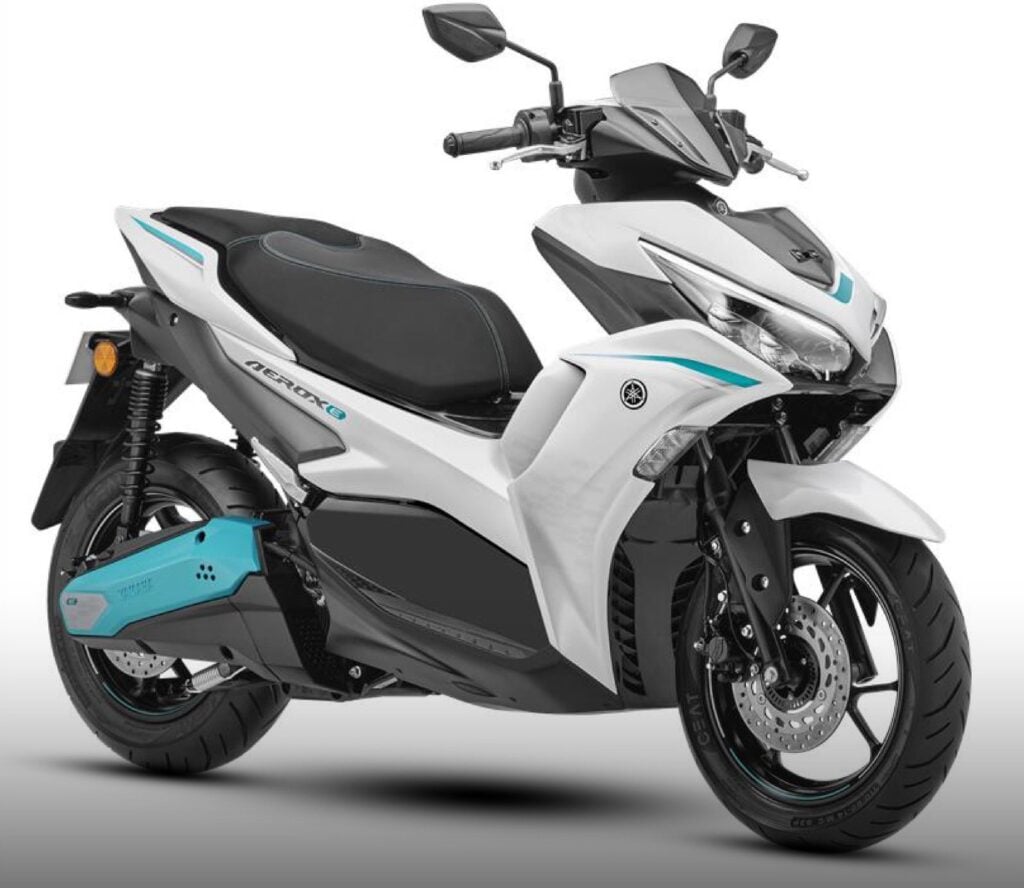
The Rise of Connected Mobility
Gen Z consumers are redefining the automotive landscape, prioritizing design, digital experiences, and emotional connections with brands. According to Yamaha India Chairman Hajime Aota, this demographic expects vehicles to reflect their identity through connected, lifestyle-driven mobility solutions. A report by ETAuto states that 70% of Gen Z consumers consider connectivity and digital experiences to be crucial factors in their purchasing decisions.
The Evolving Automotive Market
India, with its large young population, is becoming a major driver of automotive demand. As per a report from ETAuto, younger consumers are making mobility choices based on factors beyond just transportation. They seek a connected, immersive experience that aligns with their lifestyle and personal identity. For instance, a survey by PwC found that 60% of Indian consumers aged 18-24 consider sustainability and eco-friendliness to be important factors when making purchasing decisions.
The Challenge of Balancing Aspiration and Affordability
While Gen Z's expectations are clear, the industry faces a significant challenge in balancing aspiration with affordability. Manufacturers must invest in technologies that enable connectivity and digital experiences without compromising on cost. According to a report by McKinsey, the automotive industry needs to invest around $1.5 trillion in electrification, autonomous driving, and connectivity by 2030 to meet the evolving demands of consumers.
Current Technological Capabilities
The automotive industry is rapidly evolving to meet the expectations of Gen Z consumers. Yamaha India, for instance, is focusing on developing connected and electrified vehicles that cater to the needs of young consumers. The company has partnered with several technology firms to develop advanced connectivity solutions and digital experiences for its customers.
Future Outlook
As the automotive market continues to evolve, manufacturers must adapt to the changing needs of Gen Z consumers. Those who can successfully integrate connectivity, digital experiences, and emotional connections into their products will likely gain a competitive edge. According to a report by Deloitte, the global connected car market is expected to reach $225 billion by 2027, growing at a CAGR of 14.5%.