Introduction
Aptera Motors Corp., a US-based startup, has been making waves in the electric vehicle (EV) industry with its new autocycle, 'Atlas'. This sleek, futuristic vehicle features body-integrated solar cells, which the company claims can recharge the car and achieve a significant range. But what does this mean for the future of EVs and the industry as a whole?
The Deep Dive
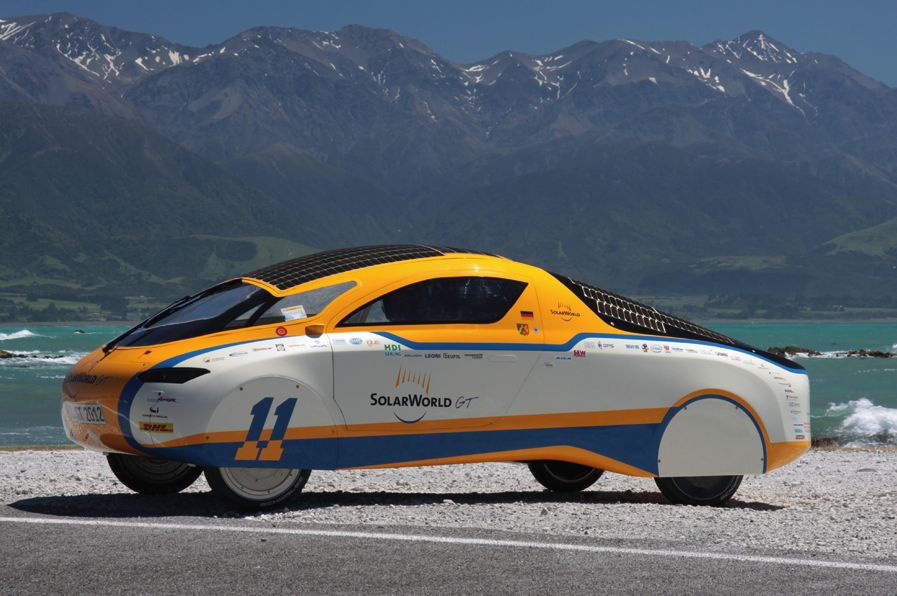
According to Cleantechnica, Aptera's 'Atlas' is designed as an autocycle, a three-wheeled vehicle with regular front-facing car seats and a steering wheel. The vehicle features body-integrated solar cells and a custom charge controller, which allows it to recharge itself with solar power. Aptera conducted real-world tests of 'Atlas', achieving up to 44 miles of added range on a cloudy day with repositioning.
Audit & Contradictions
While Aptera's claims are promising, there are some contradictions and unverified claims. The company claims that 'Atlas' can achieve a full solar-powered EV experience for typical daily use, but it is unclear if this claim is verified. Additionally, the target price of $40,000 and reservation fee of $100 are mentioned, but it is unclear if these are verified or confirmed. Repositioning the vehicle can significantly add to daily solar range, but it is unclear if this is a verified claim or a hypothetical scenario.
Future Outlook
The development of 'Atlas' and its solar-powered technology has significant implications for the EV industry. If successful, it could pave the way for more efficient and sustainable EVs. However, there are still many challenges to overcome, including regulatory hurdles, production costs, and consumer adoption. According to industry observers, the future of EVs will depend on innovations like 'Atlas' and the development of more efficient battery technologies.