Lead Hook
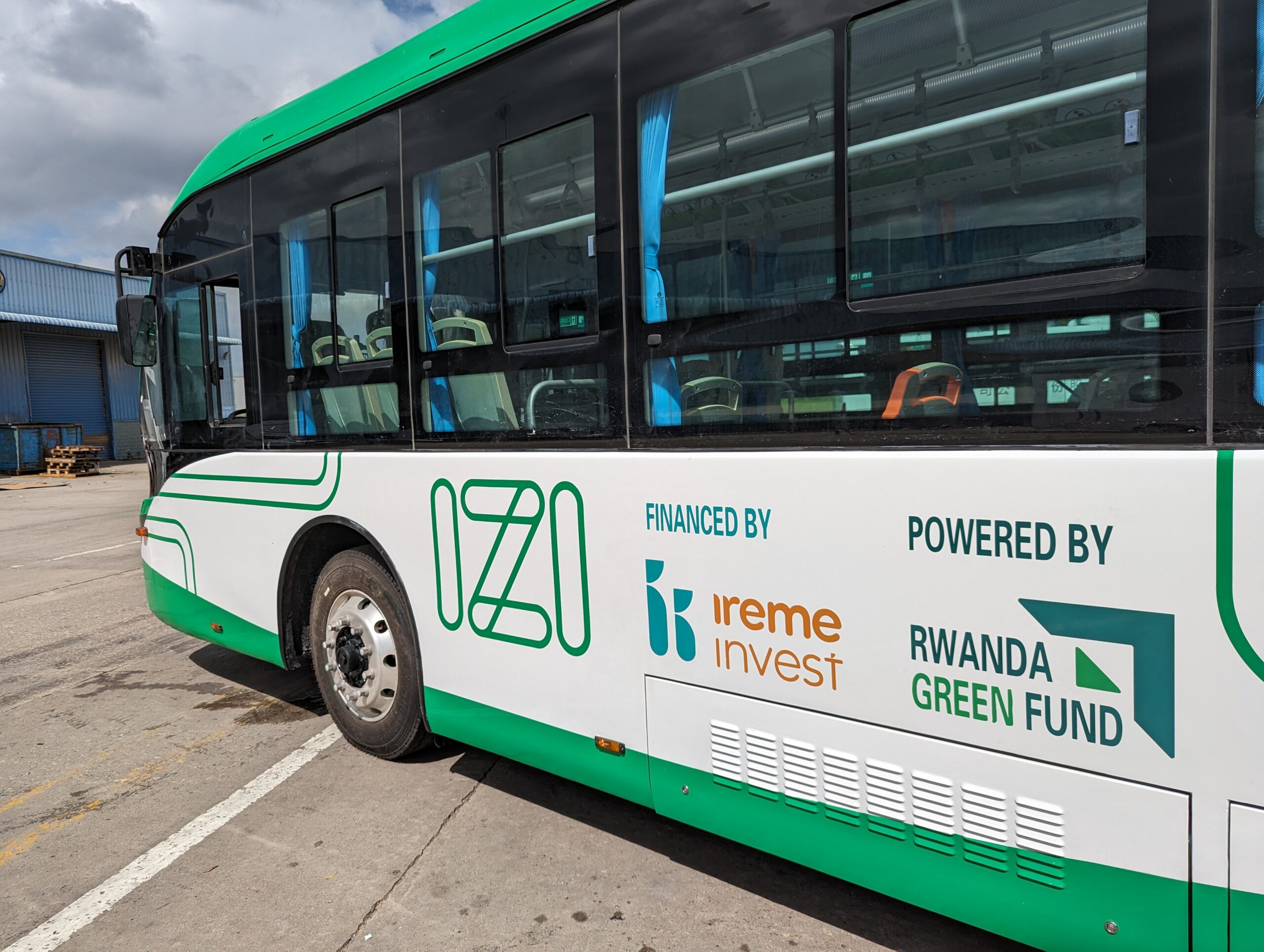
BasiGo, a leading electric bus operator in Rwanda, has recently expanded its fleet to 52 vehicles with the addition of 18 new intercity buses. While this development seems promising, experts raise concerns over the country's charging infrastructure and grid capacity to support such ambitious plans.
The Deep Dive
According to Electrive, BasiGo's electric buses are locally assembled and use CATL battery packs, offering a range of up to 350 kilometers. The company aims to deploy 1,000 battery-electric buses in East Africa by 2027. However, the lack of details on the current charging infrastructure in Rwanda and how the company plans to address potential grid charging power limits raises concerns.
Audit & Contradictions
Upon closer inspection, several contradictions and challenges emerge:
- No information on the cost of the buses or financial arrangements for their deployment.
- No mention of current charging infrastructure in Rwanda.
- No details on how the company plans to address potential grid charging power limits.
These gaps in information cast doubt on the feasibility of BasiGo's ambitious plan. As Electrive reports, the company's goal may be ambitious, but it requires careful consideration of the existing infrastructure and potential challenges.
Future Outlook
The electric bus market in East Africa is expected to grow significantly in the coming years. However, BasiGo's ambitious plan to deploy 1,000 battery-electric buses by 2027 may face significant challenges. Industry observers note that the company's success will depend on its ability to address the existing infrastructure gaps and ensure a stable and efficient charging network.