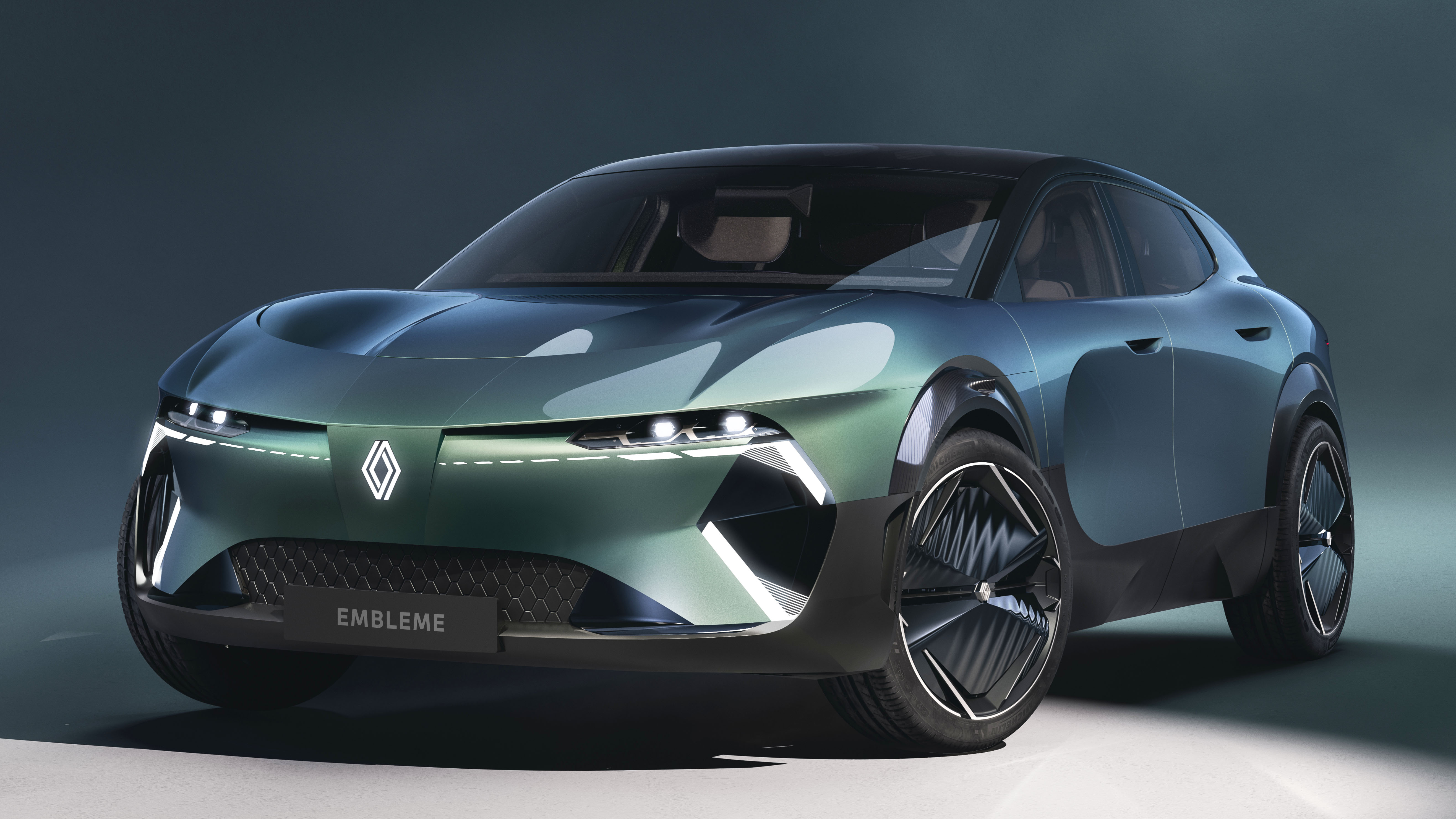
Renault's Electric Ambition
Renault is set to breathe new life into its electric vehicle (EV) lineup with the introduction of 'Gen 2 Evo' motors in its Renault 4 and 5 models by 2027. According to Autocar, these updated motors aim to provide more efficient and powerful performance, building on the learnings from developing third-generation drive units for the next Scenic and Megane due in 2028.
The Deep Dive: Technical and Economic Implications
The current Renault 4 and 5 models are based on the AmpR Small platform and utilize Renault's second-generation externally excited-synchronous (EESM) motors. The R5 models currently offer two powertrain configurations: 121bhp with a 40kWh battery (Urban Range) and 148bhp with a 52kWh battery pack (Comfort Range), delivering ranges of 192 miles and 252 miles, respectively. The larger R4 offers 250 miles with the Comfort Range set-up in the UK.
Audit & Contradictions: Claims vs Realities
While Renault's plans to update its EV lineup with more efficient and powerful motors are promising, several questions remain unanswered. Autocar reports that specifics on the exact improvements in power and range for the 2027 models are not provided, leaving room for speculation. Moreover, there is no information on whether these updates will affect the pricing of the vehicles, a crucial factor for consumers.
Future Outlook: Industry Implications and Competitor Response
The electric vehicle market is rapidly evolving, with major manufacturers investing heavily in EV technology. Renault's move to enhance its EV offerings with advanced motors could set a new benchmark for the industry. Competitors will likely respond with their own upgrades, driving innovation and potentially reducing costs. As the market continues to shift towards electric mobility, Renault's strategic updates could position it favorably in the competitive EV landscape.
Conclusion
Renault's plan to introduce 'Gen 2 Evo' motors in its Renault 4 and 5 models by 2027 signifies a significant step in its electric vehicle strategy. While details on the exact improvements are scarce, the move underscores Renault's commitment to enhancing its EV offerings and staying competitive in a rapidly changing market.