GM's Contrarian Bet on Gas Engines
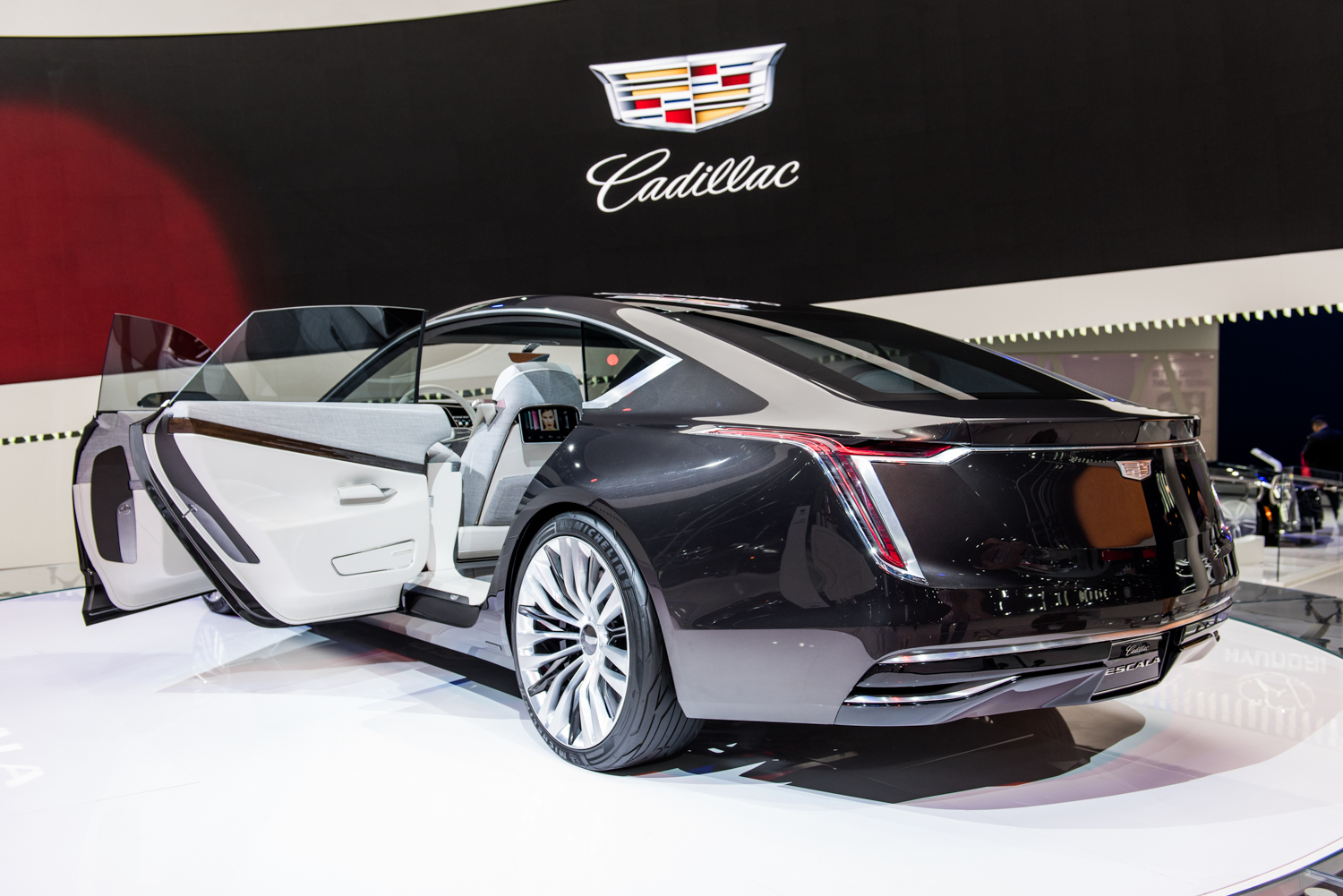
General Motors is investing $275 million in its Spring Hill, Tennessee facility to support a future combustion-powered Cadillac product. This move seems counterintuitive, given the industry's rapid shift towards electric vehicles (EVs).
The Investment Breakdown
According to the source article, $150 million will be allocated specifically for the new Cadillac product, while $125 million will support the continued production of the 2.7-liter engine. The facility currently produces four models: Chevrolet Blazer, Cadillac Lyriq, Cadillac Vistiq, and Cadillac XT5.
The Deep Dive: Strategic Implications
This investment raises questions about GM's long-term strategy. With many countries and regions implementing stricter emissions regulations and incentivizing EV adoption, a gas-powered Cadillac seems like a risky proposition. Industry observers note that this could be a calculated move to cater to regions with limited EV infrastructure or to offer a performance-focused variant.
Audit & Contradictions
Upon closer inspection, some claims seem contradictory. The article mentions that electric vehicle sales are faltering, but this is not verified with data. Additionally, the claim that the current XT5 is a decade old needs verification. These discrepancies highlight the need for a more nuanced understanding of the market and GM's strategic priorities.
Future Outlook
As the automotive industry continues to electrify, GM's competitors are doubling down on EV investments. This raises the stakes for GM's EV offerings, such as the Cadillac Lyriq and Vistiq. Will the company's bet on a gas-powered Cadillac pay off, or will it hinder its competitiveness in the rapidly evolving EV market?