The Lead Story
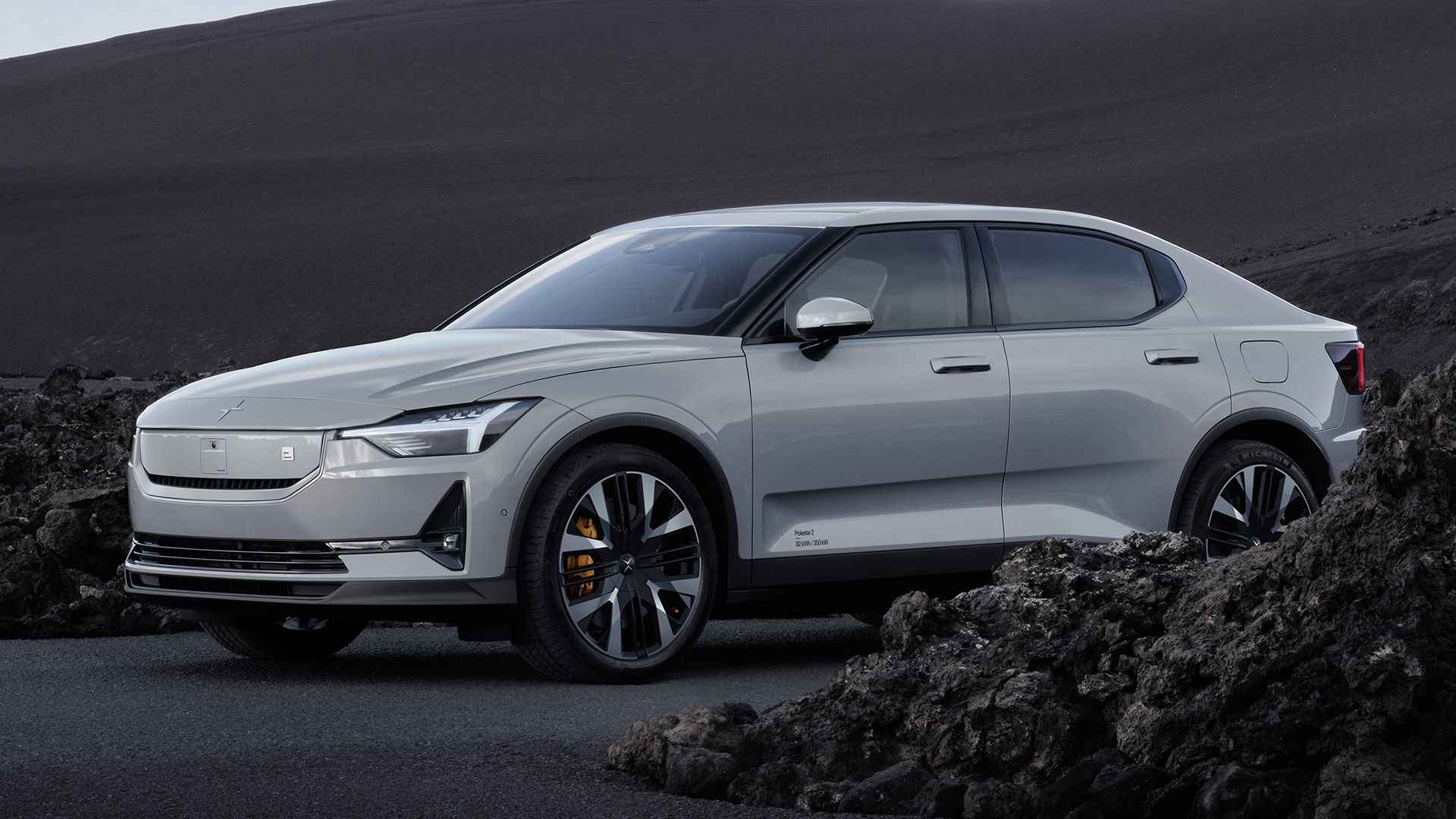
The Trump administration has barred Polestar, owned by China's Geely, from selling its new electric vehicles (EVs) in the US market. This move comes under the 'Connected Vehicle Rule', which restricts cars with Chinese software or hardware from being sold in the US.
The Deep Dive
Polestar, a Swedish EV manufacturer, had requested special authorization to sell its new EVs in the US. However, the company was denied, while Volvo, also owned by Geely, was granted authorization. This raises questions about the specific criteria used to evaluate these requests and the implications for the EV market.
Audit & Contradictions
According to the fact-check data, some claims are verified, while others are contradictory or lack specific details. For instance, it is verified that Polestar is owned by Geely and that the Trump administration has a 'Connected Vehicle Rule'. However, there is no information on why Polestar was denied authorization while Volvo was granted it.
Future Outlook
The 'Connected Vehicle Rule' and its enforcement will likely have significant implications for the EV market. As the global EV industry continues to grow, geopolitical factors will play an increasingly important role in shaping the market. Competitors and markets will need to adapt to these changing regulations and navigate the complex landscape of international trade and politics.
Polestar's Existing Stock
Polestar will continue selling existing stock of Polestar 3 and Polestar 4 vehicles in the US. This move ensures that customers who have already ordered or purchased these vehicles will not be affected by the ban.
Broader Industry Implications
The 'Connected Vehicle Rule' highlights the growing concerns over national security and data protection in the EV industry. As vehicles become increasingly connected, the risk of cyber threats and data breaches grows. The rule aims to mitigate these risks by restricting the use of Chinese software and hardware in vehicles sold in the US.
The EV industry is likely to see significant changes in the coming years as governments and regulatory bodies adapt to the evolving landscape. The 'Connected Vehicle Rule' is just one example of the complex interplay between geopolitics, technology, and regulation that will shape the future of the EV market.