Introduction
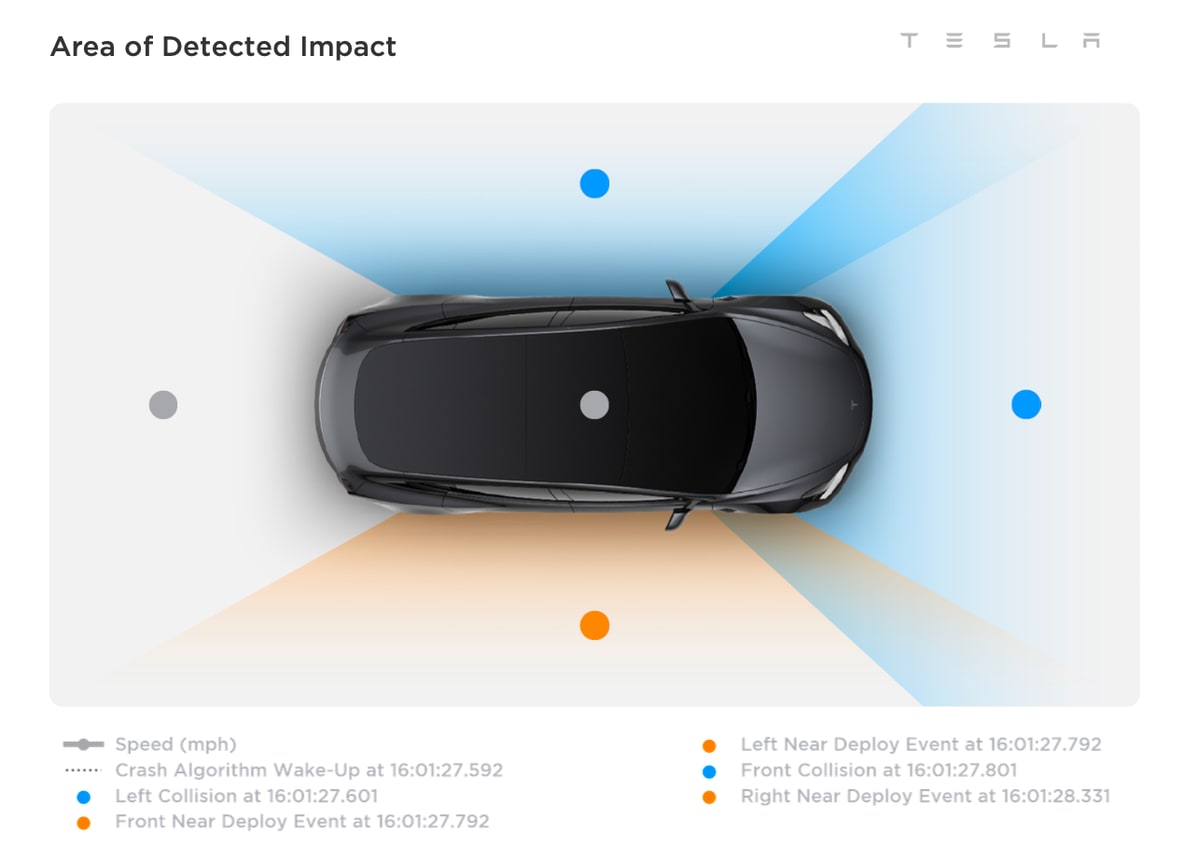
Tesla has recently announced a new feature that uses cameras to deploy airbags earlier in unavoidable crashes. According to InsideEVs, this feature will be available to existing vehicles through an over-the-air software update. The system uses Tesla Vision to identify the type of impact, estimate when contact will occur, and judge its likely severity.
The Deep Dive
This new feature raises questions about the future of EV safety and the role of cameras in advanced driver assistance systems.
"Tesla's use of cameras to deploy airbags earlier is a significant advancement in safety technology," said a spokesperson for Tesla.However, the article lacks concrete evidence to support the claims, and there are concerns about how the camera system interacts with traditional impact sensors.
Audit & Contradictions
Upon closer inspection, there are some contradictions in the reporting. The article mentions that impact sensors still make the final call on airbag deployment, but it's unclear how the camera system interacts with these sensors. Additionally, there is no concrete evidence provided to support the claim that airbags can be deployed up to 70 milliseconds earlier.
Future Outlook
The introduction of this feature is likely to have significant implications for the EV industry. As InsideEVs reports, Tesla's use of cameras for advanced driver assistance and automated driving is not new. However, the use of cameras to deploy airbags earlier is a new development that could set a precedent for other manufacturers.