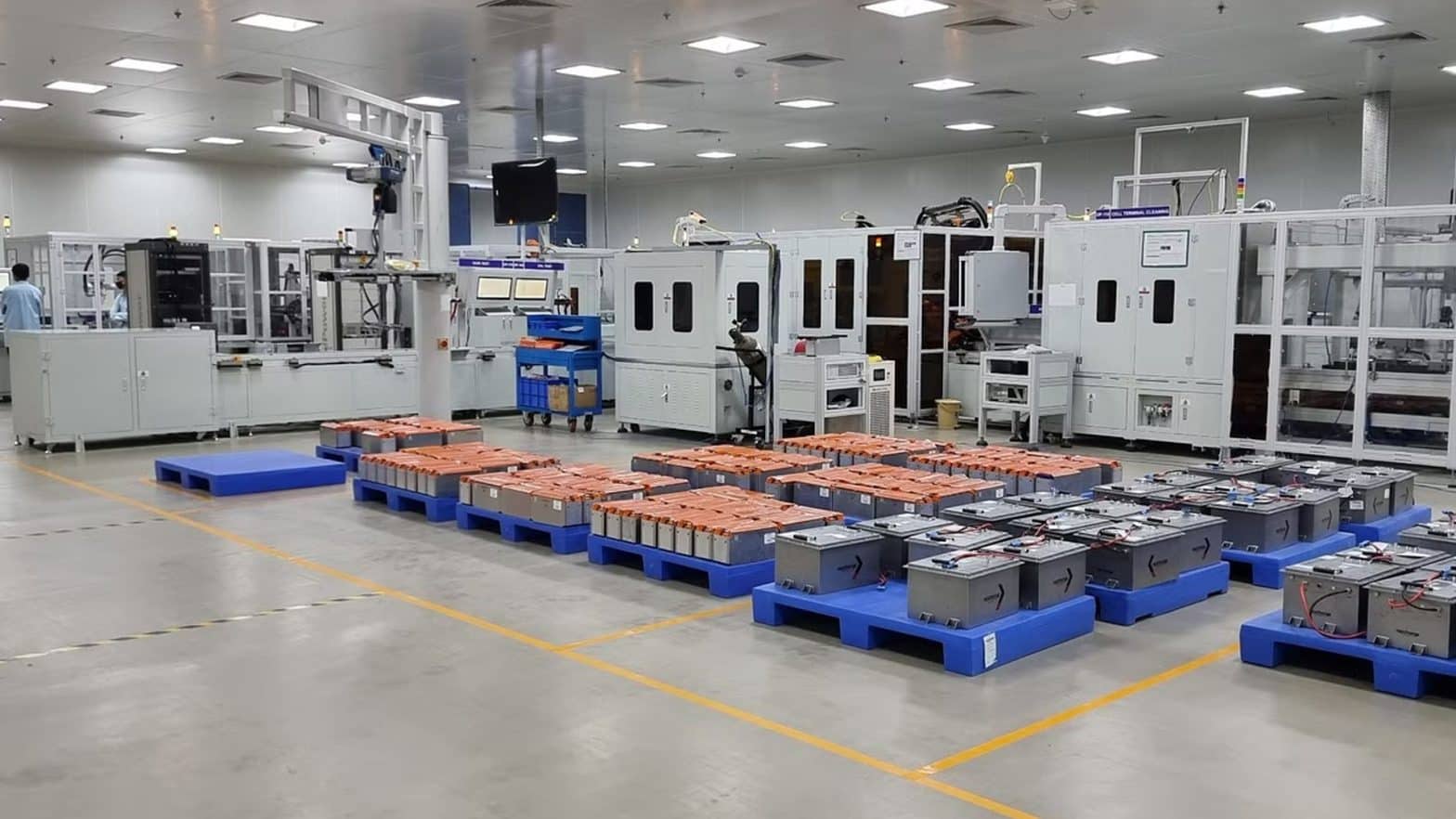
India's Battery Makers Face Financial Squeeze as New Recycling Rules Looms
India's battery manufacturing sector is facing a critical juncture. New recycling rules, designed to promote sustainable disposal of lithium-ion batteries, have sparked concerns among local manufacturers. The regulations, which introduce an Extended Producer Responsibility (EPR) credit system, may prove financially unviable for companies producing zinc-carbon batteries, which dominate India's market.
The New Rules: A Double-Edged Sword
According to the Economic Times, the new recycling rules are designed to encourage responsible battery disposal. However, industry players argue that the regulations are tailored for lithium-ion batteries, which are not the primary product for most Indian manufacturers. Zinc-carbon batteries, which account for a significant share of India's battery market, may face disproportionate compliance costs.
Industry Impact and Concerns
Audit & Contradictions
The industry claims that compliance costs for the new recycling rules could be as much as eight times their profitability. However, this figure remains unverified. The article reports that companies like Panasonic and Eveready are expressing concerns about the new rules, but it does not provide a detailed analysis of the costs. According to industry bodies, the Indian government must provide further clarification on the implementation and potential impact of these regulations.
Future Outlook
The long-term outlook for India's battery manufacturers remains uncertain. While the new recycling rules aim to promote sustainability, they may inadvertently drive companies to relocate or shut down. Industry observers note that the Indian government must balance environmental concerns with the need to protect local businesses and promote economic growth.