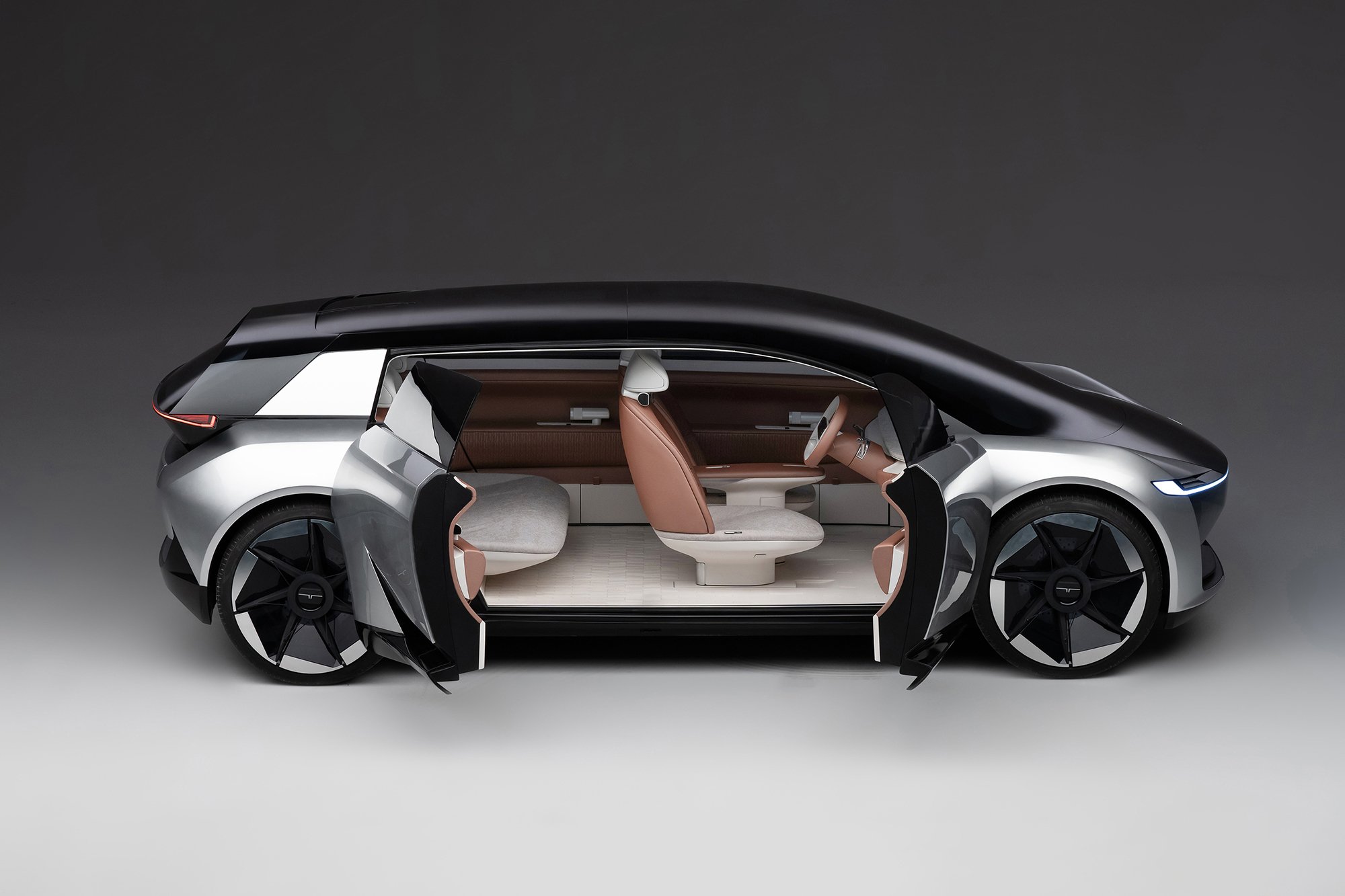
India's AI-Defined Vehicle Ambition: Can Tata Motors Lead the Charge?
The automotive industry is on the cusp of a revolution, with AI-defined vehicles poised to transform the way we travel. Tata Motors' CTO, Sven Patuschka, has made a bold claim that India can leapfrog China in this transition. But is there substance behind this assertion?
The Vision for AI-Defined Vehicles
According to Patuschka, AI-defined vehicles will be powered by six key building blocks: large-scale data, in-vehicle intelligence, AI-native architectures, mobility-specific AI models, trust and safety frameworks, and a strong talent ecosystem. Tata Motors is actively working on integrating these elements into their vehicles.
The Deep Dive
India's unique operating environment, with its varied road infrastructure, traffic behavior, languages, and customer usage patterns, could be a significant advantage in developing AI systems. The country also boasts a large pool of software talent and a growing digital ecosystem. For instance, India can leverage its existing IT infrastructure and talent pool to drive innovation in AI-defined vehicles.
Audit & Contradictions
However, upon closer examination, there are concerns regarding the validity of Tata Motors' claim. To assess India's potential to outpace China, it's essential to consider China's current AI-defined vehicle initiatives. China has been actively investing in AI research and development, with a focus on autonomous driving and smart transportation systems. In contrast, India will need to develop a more comprehensive strategy to compete effectively.
Future Outlook
The autonomous and AI-defined vehicle market is expected to grow significantly in the coming years. According to a report by MarketsandMarkets, the global autonomous vehicle market is projected to reach $556.67 billion by 2026, growing at a CAGR of 22.1% from 2020 to 2026. As India and China continue to invest in this technology, it will be interesting to see which country emerges as the leader.
"The automotive industry is evolving towards AI-defined vehicles, and India has a unique opportunity to lead this charge." - Sven Patuschka, Tata Motors CTO
As the industry continues to evolve, one thing is clear: the development of AI-defined vehicles will require significant investment, collaboration, and innovation. Whether India can leapfrog China in this transition remains to be seen, but one thing is certain - the future of transportation will be shaped by AI.