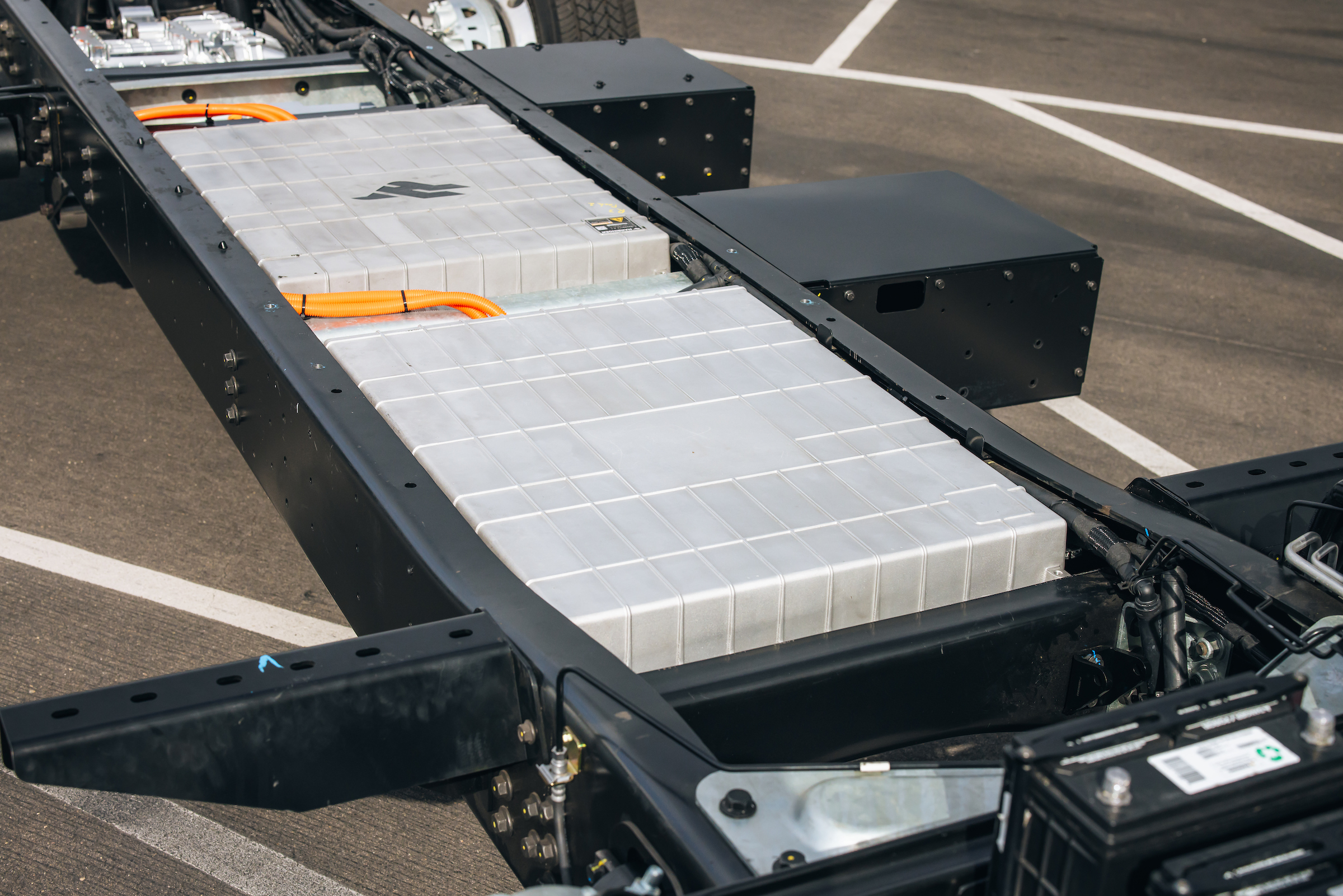
Slate's Electric Pickup Truck Switches to LFP Batteries
In a move that has sparked interest in the electric vehicle (EV) industry, Slate has announced that its upcoming electric pickup truck will use lithium iron phosphate (LFP) batteries. This decision comes after the company initially planned to use nickel-manganese-cobalt (NMC) cells.
The Shift to LFP: Cost and Regulatory Considerations
According to a report from InsideEVs, Slate's switch to LFP batteries was driven by cost and regulatory considerations. LFP batteries are generally cheaper and more durable than NMC batteries. The company has partnered with Gotion to supply the LFP batteries, which will be produced in Illinois.
Technical Implications: Performance and Range
The LFP batteries will result in a slightly lower voltage, leading to a power output drop from 201 horsepower to 181 horsepower. However, the truck is still expected to have a range of 205 miles, which is a respectable figure for an entry-level EV. The use of LFP batteries also raises questions about energy density and its impact on overall performance.
Future Outlook
The Slate truck's use of LFP batteries may have implications for the broader EV industry. As manufacturers seek to reduce costs and meet regulatory requirements, the adoption of LFP batteries could become more widespread. However, this shift also raises questions about the long-term performance and recyclability of LFP batteries. According to industry observers, the use of LFP batteries could lead to increased competition and innovation in the EV battery market.