The Safety Paradox
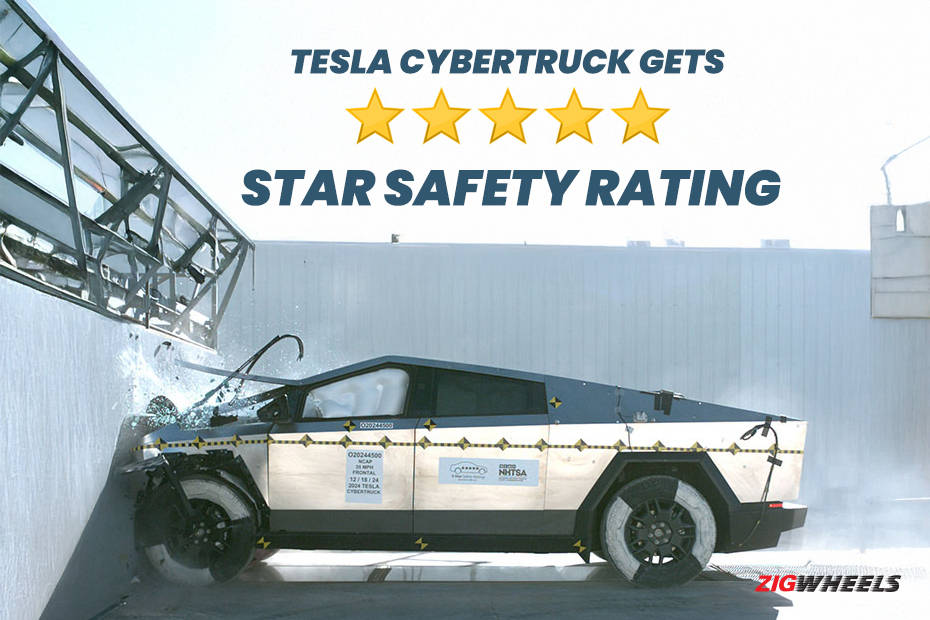
The Tesla Cybertruck's recent Top Safety Pick+ award from the Insurance Institute for Highway Safety (IIHS) has been touted as a major achievement for the electric vehicle manufacturer. According to the IIHS, the Cybertruck's exceptional structural rigidity and robust safety cage contributed to its top rating. However, this celebration is tempered by concerns over pedestrian protection, which have led to the vehicle's ban in the UK and much of Europe.
The Deep Dive: US vs European Regulatory Standards
The disparity in regulatory standards between the US and Europe has created a paradox where the Cybertruck is deemed safe for American roads but poses a risk to pedestrians in other parts of the world. The US focuses primarily on occupant protection, while Europe prioritizes pedestrian protection. The Cybertruck's stainless-steel exoskeleton, made from ultra-hard 30X cold-rolled stainless steel, provides exceptional protection for occupants but may pose a risk to pedestrians due to its sharp external edges and highly rigid construction.
Audit & Contradictions
While the Cybertruck has been awarded the Top Safety Pick+, there are concerns that its safety features may not translate to real-world scenarios, particularly in collisions with pedestrians or other vehicles. The vehicle's substantial weight and unyielding body structure could transfer more force to other vehicles or pedestrians in a collision, potentially negating its safety features. According to Teslarati, the Cybertruck's design has raised concerns over pedestrian protection, which has led to its ban in several countries.
Future Outlook
The Cybertruck's safety paradox highlights the need for a more comprehensive approach to vehicle safety, one that balances occupant protection with pedestrian protection. As the EV market continues to evolve, manufacturers will need to navigate complex regulatory landscapes and prioritize safety features that address the needs of all road users. The long-term outlook for competitors and markets will depend on their ability to adapt to changing regulatory requirements and prioritize safety in their designs.