Lead Hook
The Port of Long Beach, a critical artery in America's supply chain, is revving up its electric vehicle infrastructure. But as it speeds toward a greener future, questions remain about the road ahead.
The Deep Dive
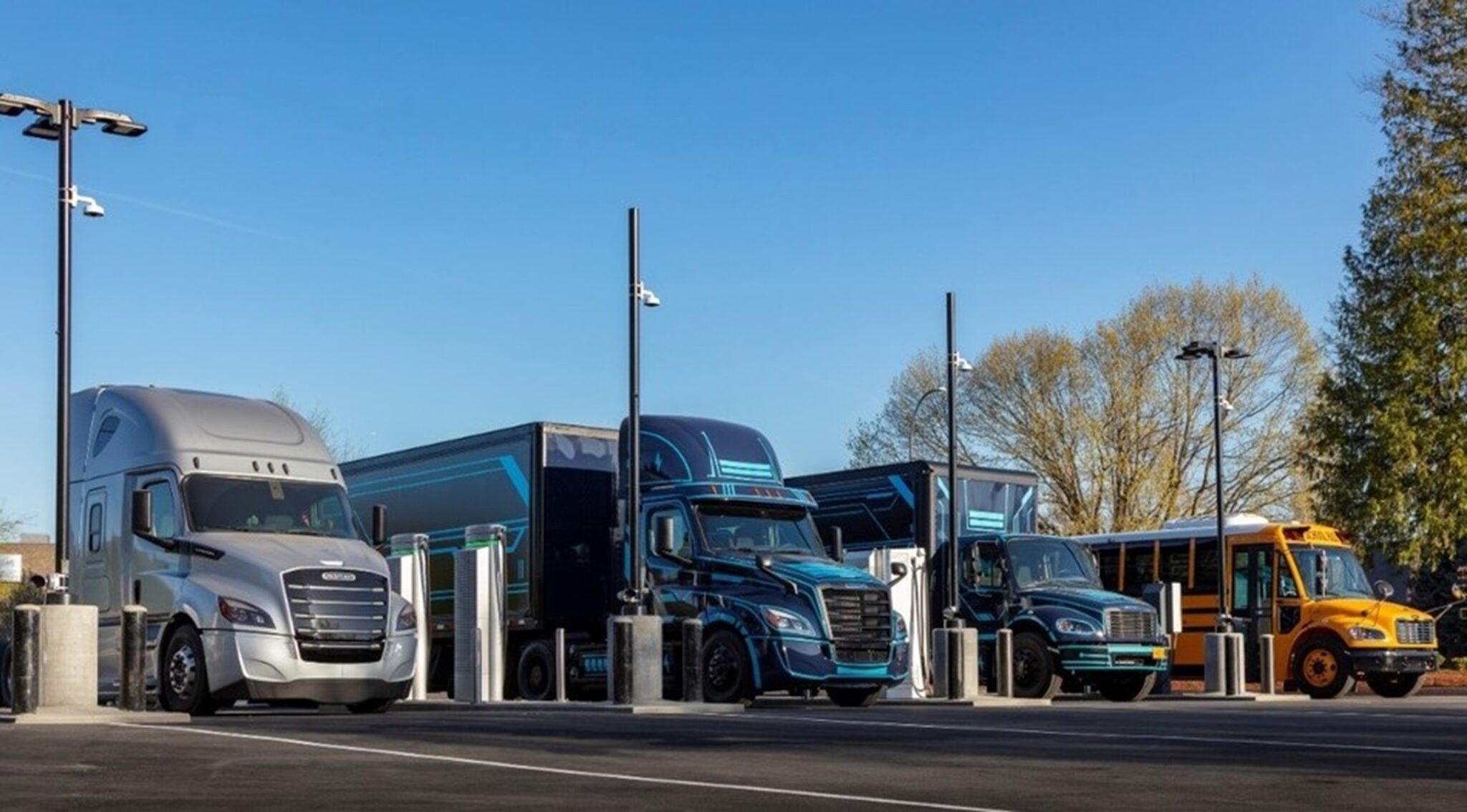
Dr. Noel Hacegaba, CEO of the Port of Long Beach, recently shared insights on the port's ambitious plans to reduce its environmental footprint. The port, touted as the busiest in North America, is exploring innovative solutions to cut emissions. One such initiative involves a data-sharing electric semi pilot program at the Canadian port of Vancouver, featuring Peterbilt Model 579EV Class 8 trucks.
According to Dr. Hacegaba, the Port of Long Beach is also making strides with its electric service fleet. While specific details about the fleet's size and composition are scarce, the port's commitment to greening its operations is clear.
Audit & Contradictions
Our analysis reveals some discrepancies in the narrative. For instance, Orange EV's record 600-unit order for electric semi trucks is a significant claim. According to a report by Electrek, this move is expected to yield substantial cost savings, with estimates suggesting a reduction of nearly $160,000 per truck.
Moreover, while the Port of Long Beach's electric service fleet is a positive step, the lack of transparency regarding its size and scope raises questions about the port's overall strategy and progress.
Future Outlook
As the Port of Long Beach and other major ports continue to adopt electric vehicles and green energy solutions, the industry will be watching closely for tangible results. The success of these initiatives will depend on various factors, including technological advancements, regulatory support, and market demand.
According to Electrek, the Port of Long Beach's efforts are part of a broader trend toward sustainability in the logistics sector. As this trend gains momentum, we can expect to see increased investment in electric vehicle infrastructure and green technologies.