Lead Hook
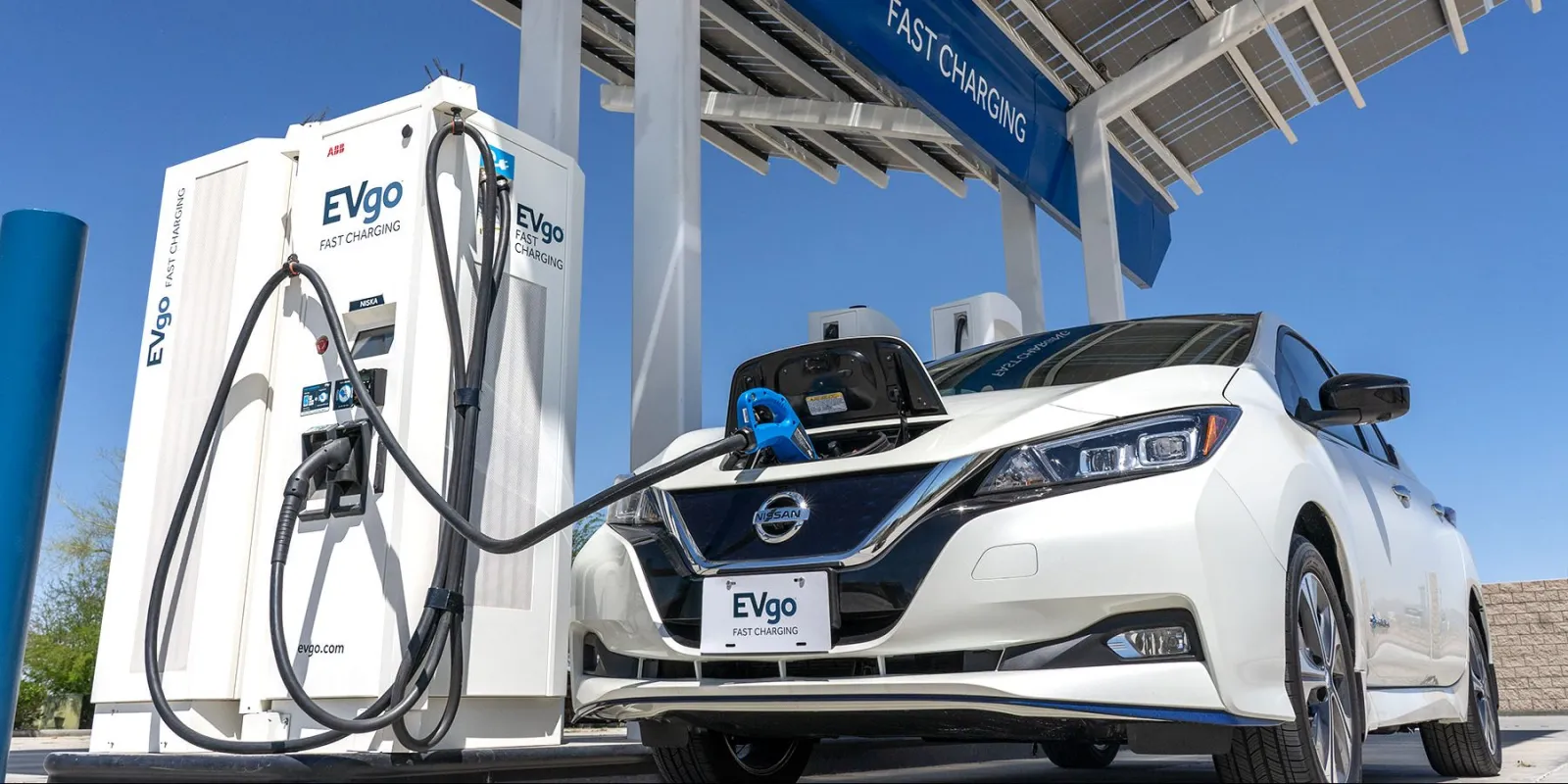
In a bid to revolutionize the electric vehicle (EV) industry, Nissan and Valeo have announced a collaboration on bidirectional charging technology. This move could potentially democratize Vehicle-to-Grid (V2G) technology, making it more accessible to a wider audience. But what does this partnership entail, and how does it plan to overcome the technical hurdles associated with bidirectional charging?
The Deep Dive
Bidirectional charging, also known as V2G technology, allows EVs to not only draw energy from the grid but also supply it back when needed. This capability can help stabilize the grid, especially during peak hours, and provide an additional revenue stream for EV owners. According to Electrive, Nissan plans to offer bidirectional charging in Europe starting in 2026, with Valeo providing bidirectional AC charging stations for Nissan customers.
Technical Mechanics
The Valeo Ineez-branded charging station operates using AC, which is unusual since many providers rely on DC charging stations. This approach might offer cost benefits and simplicity but could also impact charging speed and efficiency. As Electrive reports, the solution is being showcased at Power2Drive Europe in Munich, indicating a strategic effort to promote this technology within the European market.
Audit & Contradictions
While the collaboration between Nissan and Valeo seems promising, there are potential contradictions and challenges. The use of AC charging stations might be less efficient compared to DC stations, which are more commonly used for fast charging. Additionally, the claim that this approach would be more cost-effective and have the potential to 'democratise' V2G needs further verification. According to the Electrive article, some industry observers might question whether AC charging can meet the demands of widespread adoption.
Future Outlook
The partnership between Nissan and Valeo could set a precedent for the industry, especially if their approach proves to be cost-effective and efficient. As more automakers and suppliers explore bidirectional charging, competition in this space is likely to intensify. For now, Nissan's plan to offer bidirectional charging in Europe starting in 2026, supported by Valeo's technology, positions them as frontrunners in the V2G market. However, it remains to be seen how this technology will be received by consumers and whether it can overcome the technical and economic challenges associated with its implementation.