Introduction
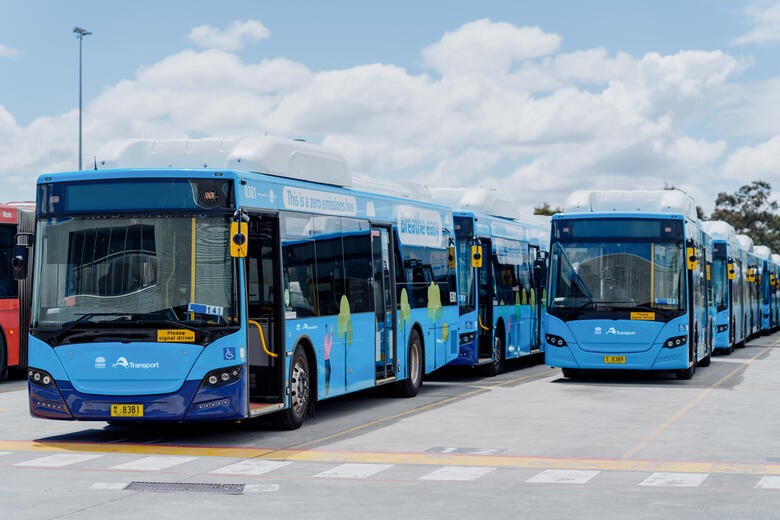
The New South Wales government has unveiled a $6.5 billion plan to electrify its public transport bus fleet, with a focus on purchasing 1,700 new electric buses and building 17 charging depots over the next 10 years. This ambitious plan is part of the state's Zero Emission Buses scheme, which aims to transition over 8,000 ICE-powered public transport buses to zero-emission technology.
The Deep Dive
According to the source article, the plan is a significant step towards reducing the state's carbon footprint and improving air quality. However, there are several challenges and opportunities that need to be considered. One of the major challenges is the lack of detailed information on the charging infrastructure, which could be a potential constraint given the large number of buses to be deployed.
Audit & Contradictions
Upon closer inspection, there are several contradictions and challenges that need to be addressed. For instance, the article does not provide detailed information on the charging infrastructure, which could be a potential constraint given the large number of buses to be deployed. Additionally, there is no mention of the potential impact of the increased demand for electric buses on the local grid and charging infrastructure. Furthermore, the article does not discuss the potential supply chain constraints or raw material limitations that could affect the production of electric buses.
Future Outlook
The $6.5 billion investment in electric buses and infrastructure is a significant step towards achieving the state's goal of transitioning over 8,000 ICE-powered public transport buses to zero-emission technology. However, it remains to be seen how the plan will be implemented and what the long-term implications will be for the state's public transport system and the environment.
Conclusion
In conclusion, the New South Wales government's $6.5 billion plan to electrify its public transport bus fleet is a significant step towards reducing the state's carbon footprint and improving air quality. However, there are several challenges and opportunities that need to be considered, including the lack of detailed information on the charging infrastructure, potential supply chain constraints, and the impact on the local grid and charging infrastructure.