The Alarming Gap in Road Safety Technology
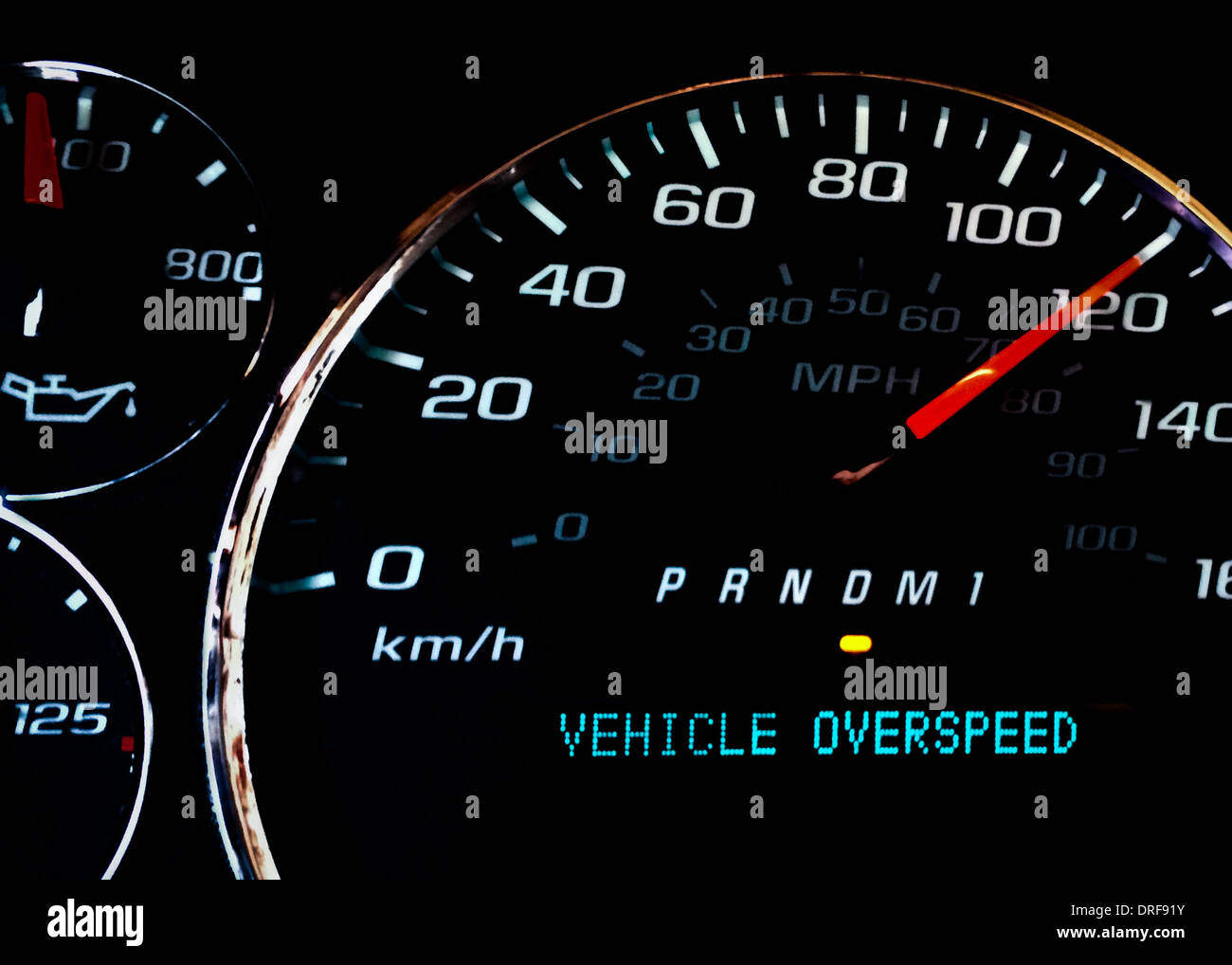
In a concerning revelation, a study by Thatcham Research has found that in-car speed limit warning technology, a key component of advanced driver-assistance systems (ADAS), fails to read road signs 25% of the time. This technology, designed to enhance road safety by alerting drivers to speed limits, is a critical feature in many modern vehicles. However, its frequent inaccuracies raise significant concerns about its reliability and effectiveness in preventing accidents.
The Study's Findings
The study tested three cars: the MG ZS, BMW i5, and Tesla Model Y. According to the findings, the MG ZS was the worst performer, displaying the wrong speed limit about 25% of the time. This is particularly alarming given that the European Union (EU) mandates that Intelligent Speed Assistance (ISA) systems, which include speed limit warning tech, must be tested over 250 miles and recognize the correct speed limit for at least 90% of the distance covered.
Regulatory Requirements and Real-World Performance
The EU's requirements for ISA systems are clear: these systems must be capable of accurately identifying speed limits under various conditions. However, the study's results suggest a significant gap between regulatory standards and real-world performance. The fact that the tested vehicles failed to meet the 90% accuracy threshold set by the EU highlights a critical issue that needs to be addressed.
Audit & Contradictions
Upon closer inspection, several contradictions and gaps in the information provided by the study and regulatory bodies become apparent. For instance, while the EU mandates rigorous testing for ISA systems, the study by Thatcham Research indicates that these systems are not performing as expected in real-world conditions. This discrepancy underscores the need for more stringent testing protocols and better validation of ADAS features before they are deployed in consumer vehicles.
Future Outlook
As the automotive industry continues to evolve with a focus on autonomous driving and advanced safety features, the accuracy and reliability of ADAS components like speed limit warning systems will be crucial. Manufacturers must prioritize the development of more sophisticated and reliable systems that can accurately interpret and communicate speed limits to drivers. Furthermore, regulatory bodies may need to revisit and update testing protocols to ensure that these systems meet real-world performance standards.
"The failure of in-car speed limit warning systems to accurately read road signs 25% of the time is a wake-up call for the industry. It highlights the need for immediate action to improve the accuracy and reliability of ADAS features to enhance road safety." - Thatcham Research
The investigation into the performance of in-car speed limit warning systems serves as a critical reminder of the challenges that remain in the development of autonomous and semi-autonomous driving technologies. As vehicles become increasingly sophisticated, ensuring that their safety features function accurately and reliably will be paramount to achieving the goal of safer roads for all users.