The AI-Defined Vehicle Revolution: India's Chance to Lead?
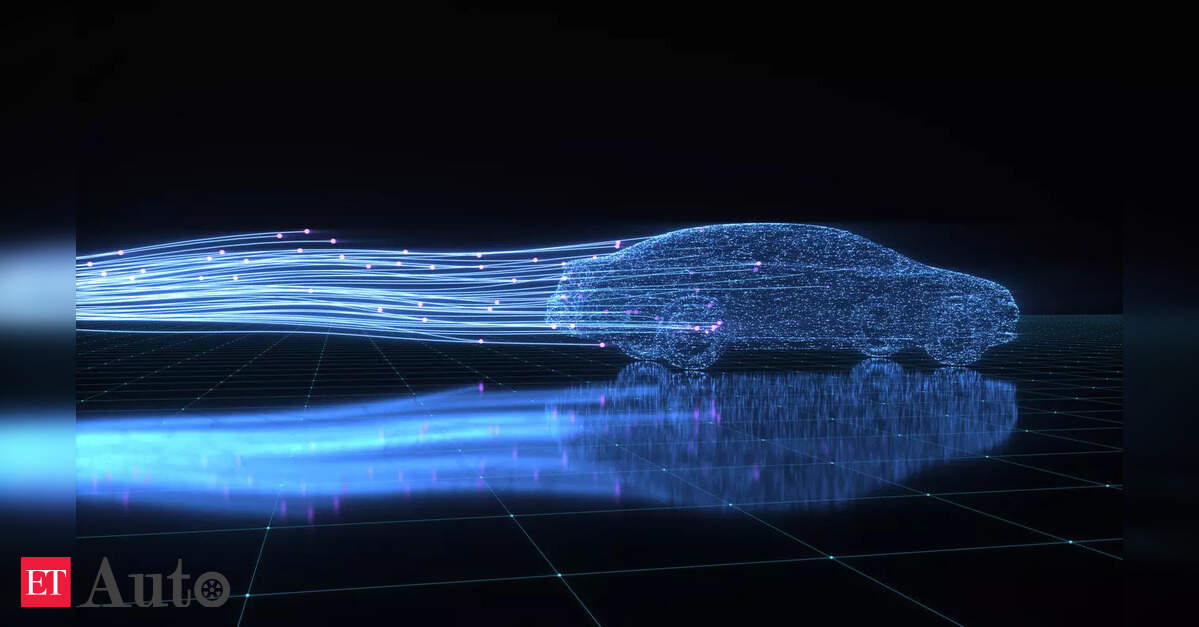
The automotive industry is on the cusp of a revolution, with AI-defined vehicles (ADVs) poised to transform the way we travel. Tata Motors' Chief Technology Officer, Sven Patuschka, recently claimed that India can leapfrog China in the shift to ADVs, citing the country's software talent, digital ecosystem, and complex mobility environment as advantages. But can India really outpace China in this emerging field?
The Building Blocks of AI-Defined Vehicles
According to Patuschka, six key building blocks are required for ADVs: large-scale data, in-vehicle intelligence, trust and safety frameworks, connected and autonomous technologies, digital twins, and a robust cybersecurity framework. While India has a large software talent pool, the country still lags behind China in terms of infrastructure and investment in ADVs.
Audit & Contradictions
Upon closer examination, some of Patuschka's claims appear exaggerated or unverified. For instance, there is no concrete data or evidence to support the claim that India can outpace China in ADVs. Additionally, while India's complex mobility environment may provide valuable insights for ADV development, it is unclear how this can be a competitive advantage.
The Road Ahead: Challenges and Opportunities
Despite these challenges, India has a unique opportunity to establish itself as a leader in ADVs. With the right investments in infrastructure, talent, and technology, India can create a robust ecosystem for ADV development and deployment. However, the country must also address regulatory and safety concerns to ensure public trust and adoption.
Future Outlook
The future of ADVs is promising, with many experts predicting significant growth in the coming years. As India and China compete to lead in this emerging field, we can expect to see increased investment in research and development, partnerships between tech companies and automakers, and a growing need for skilled talent in AI and mobility.