Lead Hook
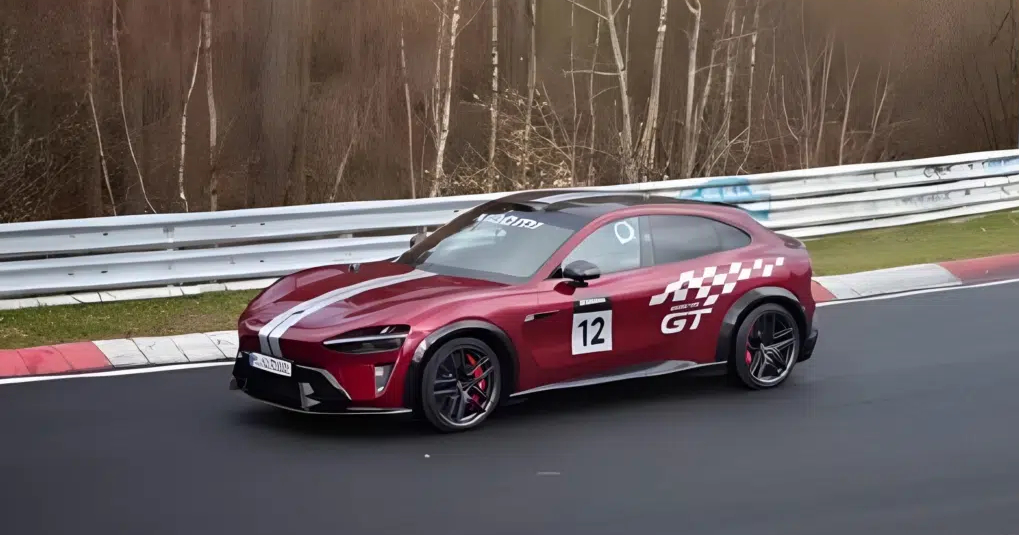
Xiaomi's recent announcement about its YU7 GT's extreme track algorithms shifting to production models has sent shockwaves through the EV industry. As autonomous driving technology continues to advance, the line between high-performance vehicles and mass-market cars is becoming increasingly blurred.
The Deep Dive
According to the source article, Xiaomi's YU7 GT uses advanced XLA software modeling for automated networks to navigate extreme driving hazards. The vehicle reportedly completed a Nürburgring lap in 10 minutes autonomously. This achievement raises important questions about the validation of dynamic motorsport parameters for mainstream commercial vehicles.
The use of the Nürburgring Nordschleife course for testing is particularly noteworthy. This course is known for its demanding conditions, making it an ideal testing ground for autonomous driving technology. However, the article does not provide specific details on the testing conditions, leaving some questions unanswered.
Audit & Contradictions
Upon closer inspection, some claims made about the YU7 GT's capabilities seem exaggerated or lack concrete evidence. For instance, there is no information on how the XLA software platform analyzes tire contact patch adjustments under terminal load conditions. Additionally, the article does not provide concrete evidence to support the claim that the algorithmic models prioritize stabilizing passenger compartments when mass-market vehicles confront unforeseen velocity and traction imbalances on public roads.
Xiaomi's delivery numbers and market share also paint a more nuanced picture. The company delivered 32,759 vehicles in May 2026, marking a 10.7 percent monthly decline. Xiaomi's domestic market share stands at 2.1 percent, indicating that there is still significant room for growth.
Future Outlook
As the EV industry continues to evolve, the integration of extreme track algorithms into production models will likely become more prevalent. However, this raises important questions about safety, performance, and regulatory compliance. Competitors will need to navigate these challenges while balancing innovation with practicality.
The long-term outlook for autonomous driving technology is promising, but it will require continued investment in research and development. As Xiaomi and other manufacturers push the boundaries of what is possible, regulators and industry observers will need to stay vigilant to ensure that safety and performance standards are met.