A hidden curb may seem harmless, but new enforcement rules are sparking costly clashes between drivers, residents, and local councils.
When a delivery van blocks a driveway by parking over a dropped kerb, the resulting argument can feel like a scene from a courtroom drama. Yet the issue is far from anecdotal – it sits at the intersection of urban planning, traffic law, and the economics of street-side parking in Britain.
Dropped kerbs are recessed sections of the pavement that allow a vehicle to cross the footway and access a private driveway or parking space without damaging the curb. According to Auto Express, they are a common sight across the United Kingdom and are designed to facilitate legal access to private property.
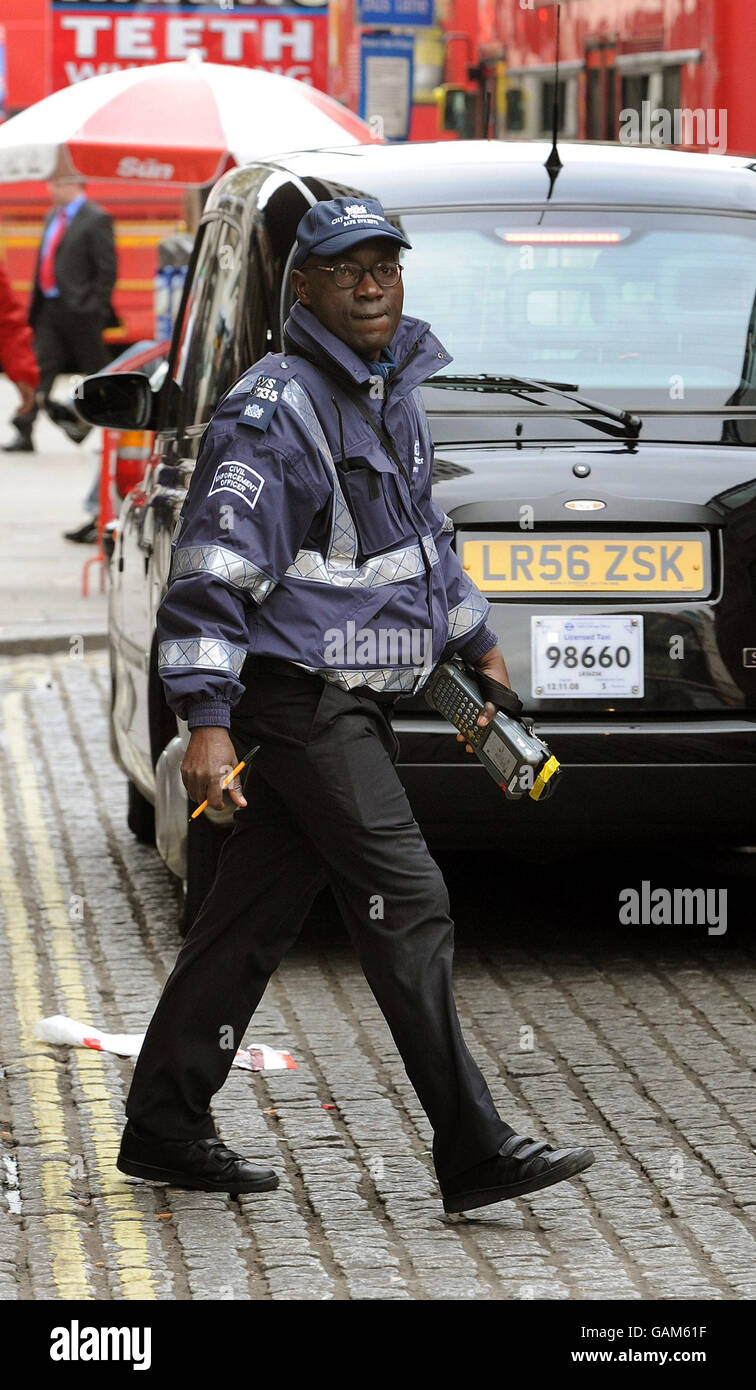
Under the Traffic Management Act 2004, parking in front of a dropped kerb is prohibited. The legislation empowers local authorities to issue a Fixed Penalty Notice of £70, reduced to £35 if paid within 14 days. The fine is intended to deter obstruction of private access, but the enforcement landscape is evolving. Many councils now employ automatic number-plate recognition (ANPR) cameras to capture violations, turning what was once a neighbourly dispute into a revenue-generating activity.
From an economic perspective, the fine structure creates a hidden cost for logistics firms and delivery platforms that rely on rapid street-level drop-offs. A single £70 penalty can erode profit margins on low-value parcels, prompting companies to rethink routing algorithms and invest in alternative delivery hubs. Moreover, the threat of fines has spurred a modest market for 'parking compliance' services, where third-party firms audit and advise businesses on how to avoid kerb-related infractions.
The Auto Express piece correctly confirms that dropped kerbs are legal crossing points and that the Traffic Management Act 2004 governs the associated fines. However, two claims lack clear statutory backing:
"Private property owners cannot charge visitors to park across a dropped kerb outside their property."
While the article presents this as a fact, the legislation does not expressly forbid private owners from imposing such charges; it merely regulates public enforcement. Without a cited source, the statement remains ambiguous.
"Deliveries and emergency services are allowed to park in front of dropped kerbs under certain circumstances."
The article does not delineate the precise exemptions. In practice, emergency vehicles are exempt under the Road Traffic Act 1988, but delivery vehicles are not automatically granted permission; they must demonstrate a legitimate need, such as loading or unloading, and often require a temporary permit from the local authority.
These gaps highlight a broader issue: the public's understanding of parking rights is shaped by media summaries that may oversimplify complex regulatory frameworks. For residents, the lack of clarity can lead to unnecessary fines or confrontations with neighbours.
Looking ahead, several trends could reshape the dropped-kerb debate:
- Smart City Initiatives: Cities like London are piloting sensor-enabled kerbs that detect vehicle presence and relay data to council enforcement systems. This could streamline fine issuance but also raise privacy concerns.
- Policy Review: Pressure from trade bodies representing delivery firms may prompt a review of the Traffic Management Act's penalties, potentially introducing tiered fines based on vehicle type or frequency of offence.
- Design Innovation: Urban planners are experimenting with 'reversible' dropped kerbs that can be raised during peak hours to prevent misuse, balancing private access with public traffic flow.
For motorists and businesses alike, staying informed about the precise legal parameters—and the evolving technology that enforces them—will be essential. As councils continue to tighten control over street-level parking, the dropped kerb will remain a small but potent symbol of the broader tension between private convenience and public regulation.