Lead Hook
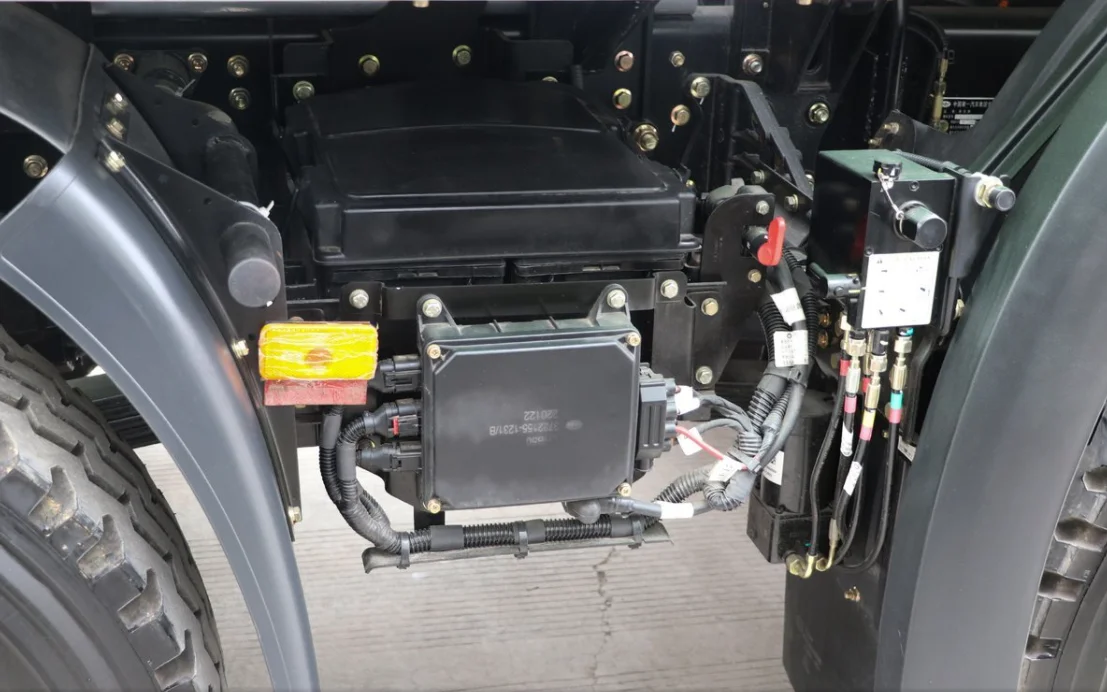
In a bid to challenge the dominance of lithium-ion batteries, Hina and FAW have completed a long-term test of a sodium-ion electric truck battery, covering 15,000 km over seven months. The results show promise, but experts remain cautious about the technology's viability.
The Deep Dive
According to Electrive, the test, conducted by Hina and FAW, demonstrated the battery's performance in adverse weather conditions, including temperatures as low as -40°C. The battery retained over 90% of its usable capacity at -40°C and supported ultra-fast charging with a lifespan of over 8,000 fast-charging cycles.
Audit & Contradictions
While the results appear promising, there are some potential contradictions and challenges. The article does not provide independent verification of the test results, and the energy density of the sodium-ion battery (165 Wh/kg) may be lower compared to lithium-ion batteries. Additionally, the test's limited scope and duration raise questions about the battery's long-term viability.
Future Outlook
The development of sodium-ion batteries is gaining momentum, with several companies investing in the technology. However, the industry still faces significant challenges, including scaling up production, reducing costs, and addressing concerns about the technology's viability. As the market continues to evolve, it remains to be seen whether sodium-ion batteries will become a viable alternative to lithium-ion batteries.
Technical Specifications
The sodium-ion battery tested by Hina and FAW has an energy density of 165 Wh/kg, which is lower compared to lithium-ion batteries. However, the battery's performance at low temperatures and its potential for ultra-fast charging make it an attractive option for electric truck applications.
Industry Implications
The development of sodium-ion batteries has significant implications for the electric vehicle industry. If successful, sodium-ion batteries could provide a more cost-effective and sustainable alternative to lithium-ion batteries, reducing the industry's reliance on lithium and other scarce materials.
Conclusion
In conclusion, Hina and FAW's long-term test of a sodium-ion electric truck battery demonstrates the technology's potential, but experts remain cautious about its viability. As the industry continues to evolve, it is essential to address the challenges and contradictions associated with sodium-ion batteries and to continue testing and evaluating their performance.