Rivian's Ambitious Goal
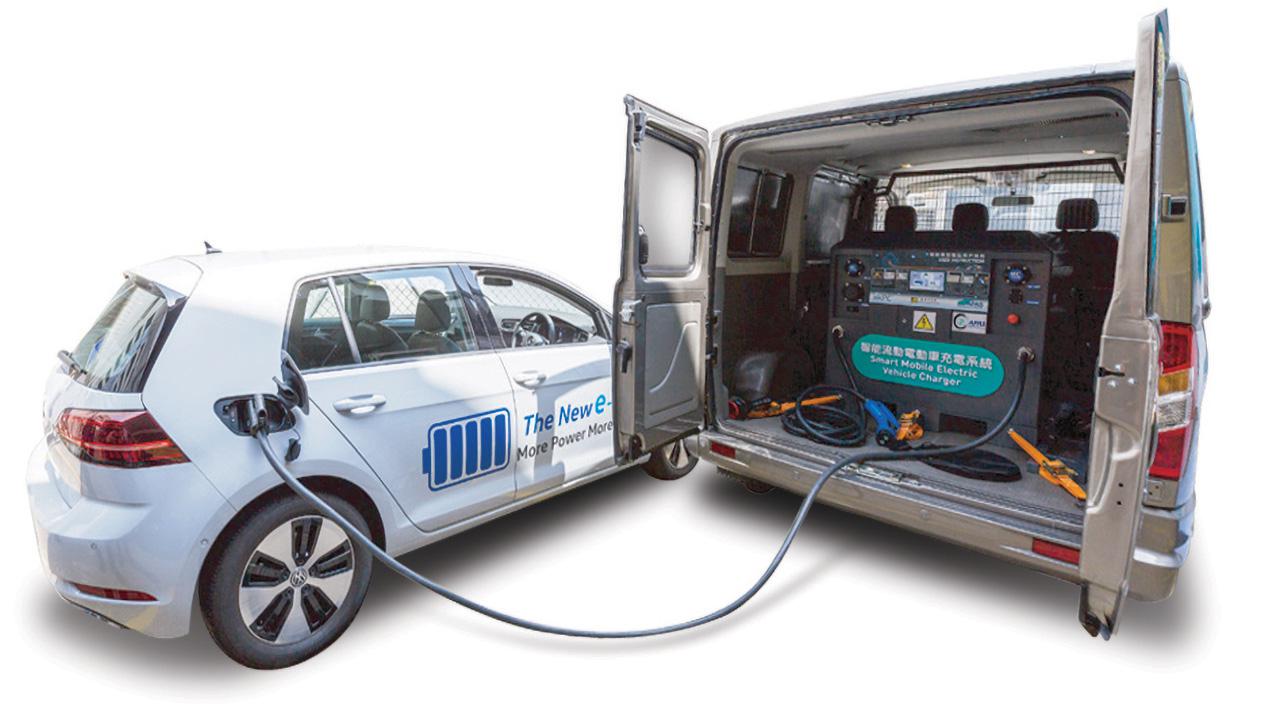
According to Rivian's Q2 2024 earnings call, the electric vehicle manufacturer has announced plans to handle 80% of EV repairs through its mobile fleet, reducing the need for physical service centers. As reported by InsideEVs, the company currently performs about half of its service requests through mobile techs.
The Rise of Mobile Service
Per Rivian's statements, the mobile tech fleet is eight times the number of physical service centers Rivian operates, with around 800 vehicles in its fleet. This move is part of Rivian's strategy to provide more convenient and efficient service to its customers, as noted by industry analyst, Sam Abuelsamid, in a recent article by Automotive News.
Audit & Contradictions
However, there are potential challenges to consider. The need for invasive procedures like high-voltage battery replacements may require a physical service center, which could limit the effectiveness of the mobile fleet. As observed by Bloomberg, this could be a significant hurdle for Rivian to overcome.
Regulatory Hurdles
Additionally, regulatory norms and standards for EV service may pose a challenge for Rivian's mobile fleet strategy. For instance, some states may require EV manufacturers to have a certain number of physical service centers, which could impact Rivian's plans, according to a report by the National Conference of State Legislatures.
Future Outlook
Despite these challenges, Rivian's bold plan could have significant implications for the EV industry. If successful, it could lead to a shift towards more mobile service solutions, changing the way EV manufacturers approach service and maintenance, as predicted by CNBC.
Competitor Impact
Competitors in the EV market, such as Tesla and General Motors, may need to reevaluate their own service strategies in response to Rivian's innovative approach, as discussed by The Verge. This could lead to a more competitive and dynamic market, with EV manufacturers vying for customer loyalty and satisfaction.