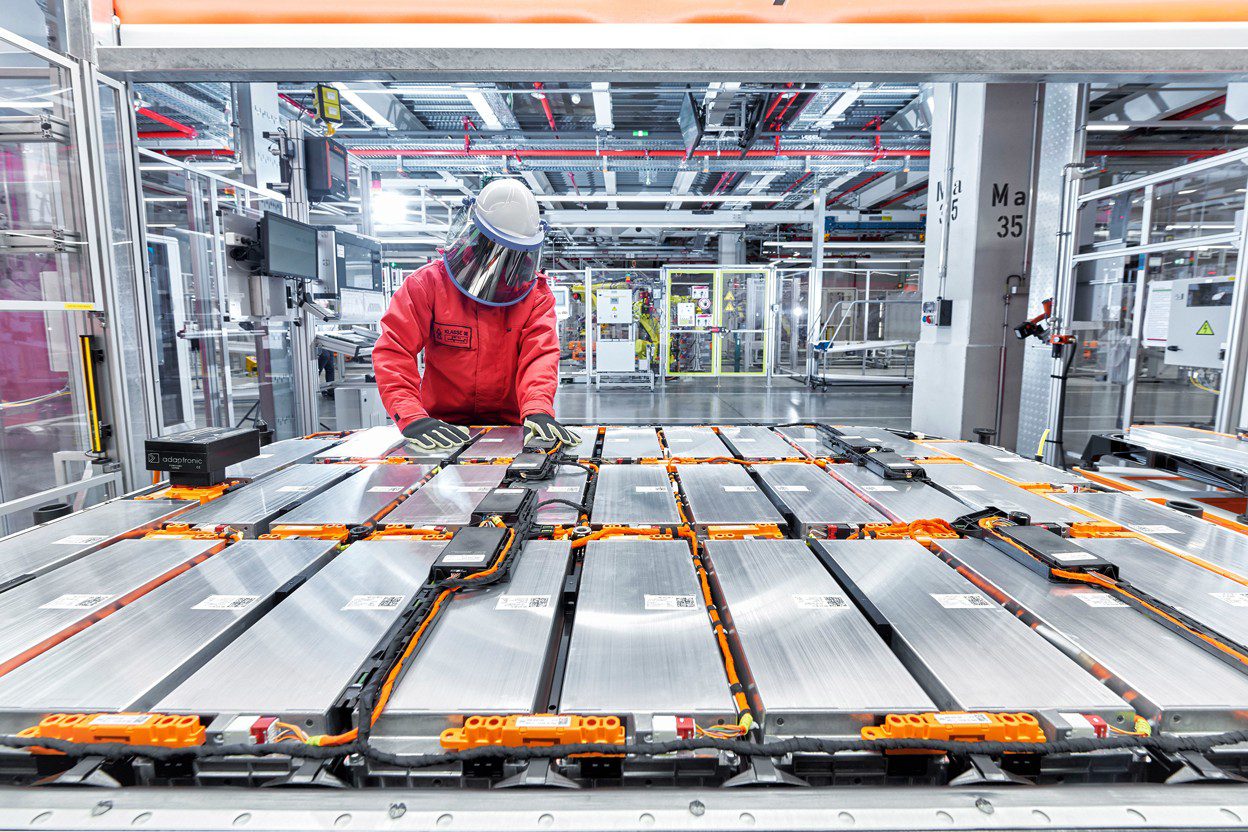
India's ambitious ₹18,100 crore Advanced Chemistry Cell (ACC) battery manufacturing Production Linked Incentive (PLI) scheme has hit a roadblock, with significant delays in implementation and beneficiaries seeking an extension. The scheme, aimed at creating 40 GWh of domestic ACC manufacturing capacity, has only seen 1.4 GWh of capacity become operational so far.
The Scheme's Objectives and Challenges
The Indian government launched the ACC PLI scheme to boost domestic battery manufacturing and support the growth of the electric vehicle (EV) industry. According to Economic Times, the scheme initially aimed to create 50 GWh of domestic ACC manufacturing capacity, which was later scaled down to 40 GWh. However, the implementation has been marred by delays, with only Ola Electric being the lone producer with operational capacity.
Audit & Contradictions
The fact-check audit data reveals several contradictions and potential exaggerations in the claims made by the companies involved. For instance, the article mentions that the initial deadline for starting commercial production was January 1, 2025, but does not provide a clear confirmation of whether this deadline was officially extended. Additionally, the article states that only 1.4 GWh of capacity is operational but does not provide a direct comparison to the total awarded capacity of 40 GWh from multiple sources.
Supply Chain Bottlenecks and Legal Issues
The scheme faces significant challenges, including supply chain bottlenecks, particularly dependence on China for technology and raw materials. According to the Ministry of Heavy Industries, the Ministry has been issuing quarterly penalty notices to defaulting companies but has not collected any penalties due to pending extension requests. Furthermore, there are legal issues surrounding Rajesh Exports due to a SEBI probe.
Future Outlook
The delays and challenges faced by the ACC PLI scheme have significant implications for India's EV industry. Analysts estimate that the country's EV market is expected to grow rapidly in the coming years, driven by government incentives and increasing demand for electric vehicles. However, the lack of domestic battery manufacturing capacity could hinder the growth of the industry. Industry observers note that the scheme's success is crucial for India's EV ambitions, and any further delays could lead to a loss of market share to other countries.