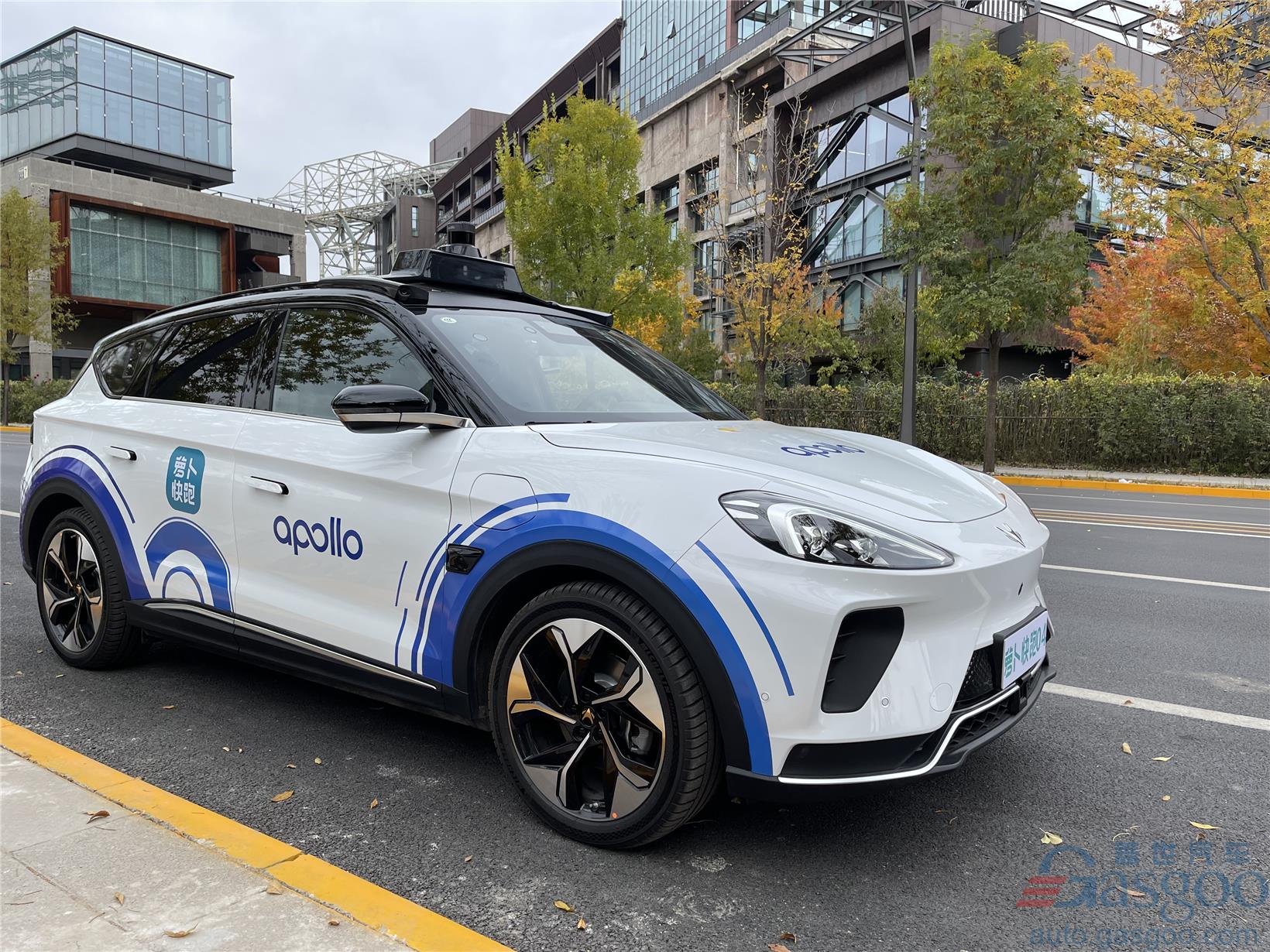
China's Robotaxi Dominance
The autonomous vehicle industry is rapidly evolving, and a new robotaxi scorecard from Autnmy AI has revealed China's dominance in this space. With Baidu Apollo Go leading the pack, followed by Waymo, Pony.ai, WeRide, and Tesla, the question on everyone's mind is: what does this mean for the future of transportation?
The Robotaxi Scorecard
The robotaxi scorecard evaluates companies based on operations, scale, revenue, commercial partnerships, manufacturing, and safety records. According to the Autnmy AI robotaxi scorecard, Baidu Apollo Go is ranked first, with Waymo closely following in second place. Pony.ai and WeRide, both Chinese companies, are also ranked among the top robotaxi companies, highlighting China's strong presence in this industry.
Per the source, the data is updated every 12 hours, providing a real-time snapshot of the industry's progress. This is particularly important, as the autonomous vehicle landscape is constantly shifting, with new partnerships, funding rounds, and technological advancements emerging on a regular basis.
Audit & Contradictions
While the scorecard provides valuable insights into the industry's current state, there are some potential contradictions and challenges to note. For instance, Zoox, a company with a limited autonomous vehicle fleet, is facing regulatory hurdles before it can operate commercially. However, it is unclear if these vehicles are for commercial use or testing.
According to the source, Waymo's software fix for its robotaxi issue with driving into highway construction zones is 'under development', indicating that the issue is not yet resolved.
These contradictions highlight the complexities and challenges of the autonomous vehicle industry, where companies must navigate regulatory hurdles, technical challenges, and public trust issues.
Regional Developments
In Texas, autonomous vehicle registrations have seen significant growth, with Waymo registering 620 autonomous vehicles, a notable increase. Tesla, with 69 registered autonomous vehicles, has also seen a notable increase in registrations.
These regional developments highlight the industry's progress and potential, but also underscore the need for continued innovation and regulatory clarity.