CATL's Ambitious Claims
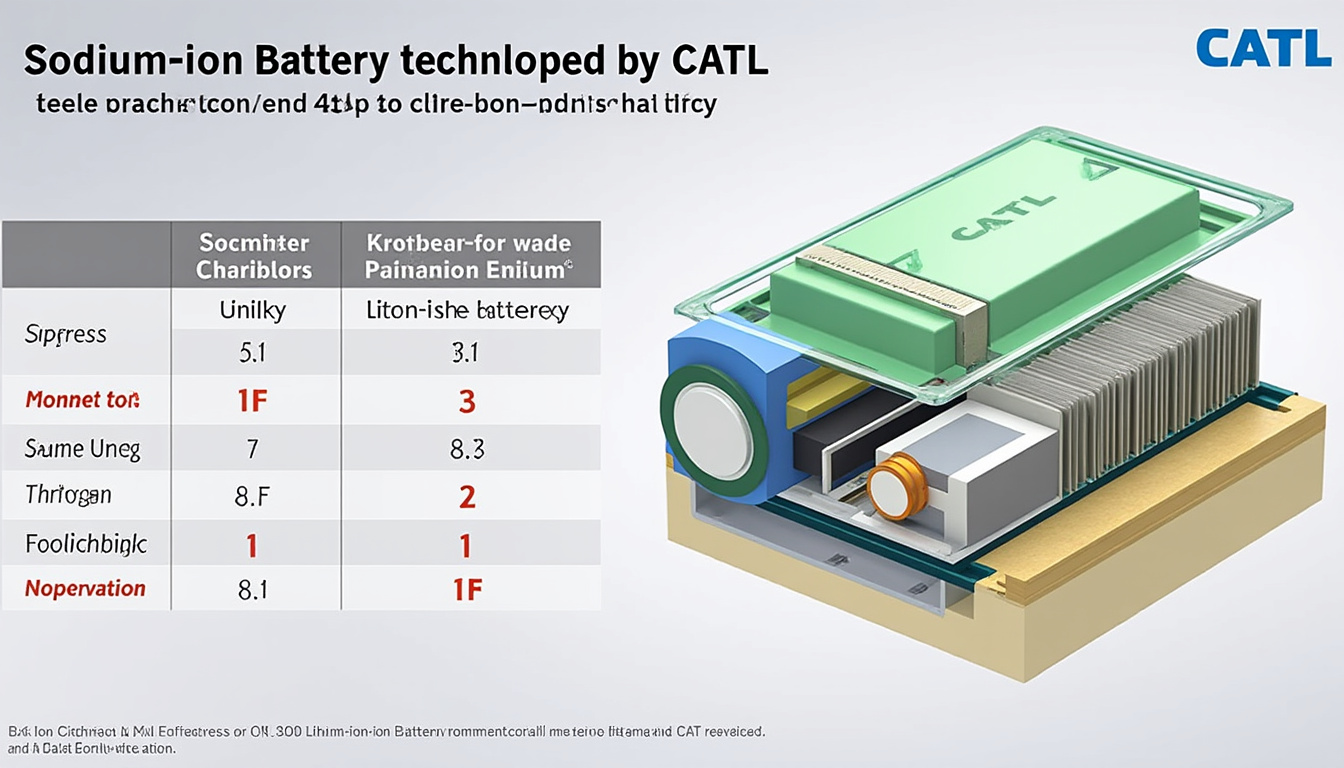
On June 22, 2026, CATL unveiled its Tener Sodium-Ion energy storage system in Munich, Germany, boasting a 15,000-cycle lifespan and 30-year durability. According to the company, the system features a fully modular architecture with a rated energy capacity exceeding 30MWh and weighs less than 42 tons per module.
The Deep Dive: Technical Specifications and Industry Implications
CATL's Tener Sodium-Ion storage system is designed to achieve 15,000 cycles at 25°C, providing a system life of 25–30 years based on a 70% State of Health (SOH) standard. The system retains over 92% capacity at -20°C and supports over 10,000 cycles at 45°C. With a modular architecture, the system is designed for easy deployment and scalability.
Audit & Contradictions: Separating Fact from Fiction
While CATL's claims appear impressive, some may require further validation. The company's ambitious lifespan and cycle claims, as well as the system's environmental impact and recyclability, may need to be verified through independent testing or industry benchmarks. According to industry observers, sodium-ion batteries have the potential to be more cost-effective and sustainable than traditional lithium-ion batteries, but their performance and longevity remain to be seen.
Future Outlook: Implications for Competitors and Markets
CATL's Tener Sodium-Ion storage system is set to begin domestic delivery in China in September 2026, with a target of 1GWh in shipments by the end of the year, followed by a global rollout in 2027. As the EV market continues to grow, the demand for efficient and sustainable energy storage solutions will increase. CATL's innovative approach to sodium-ion batteries could give the company a competitive edge, but it remains to be seen how competitors will respond.