Introduction
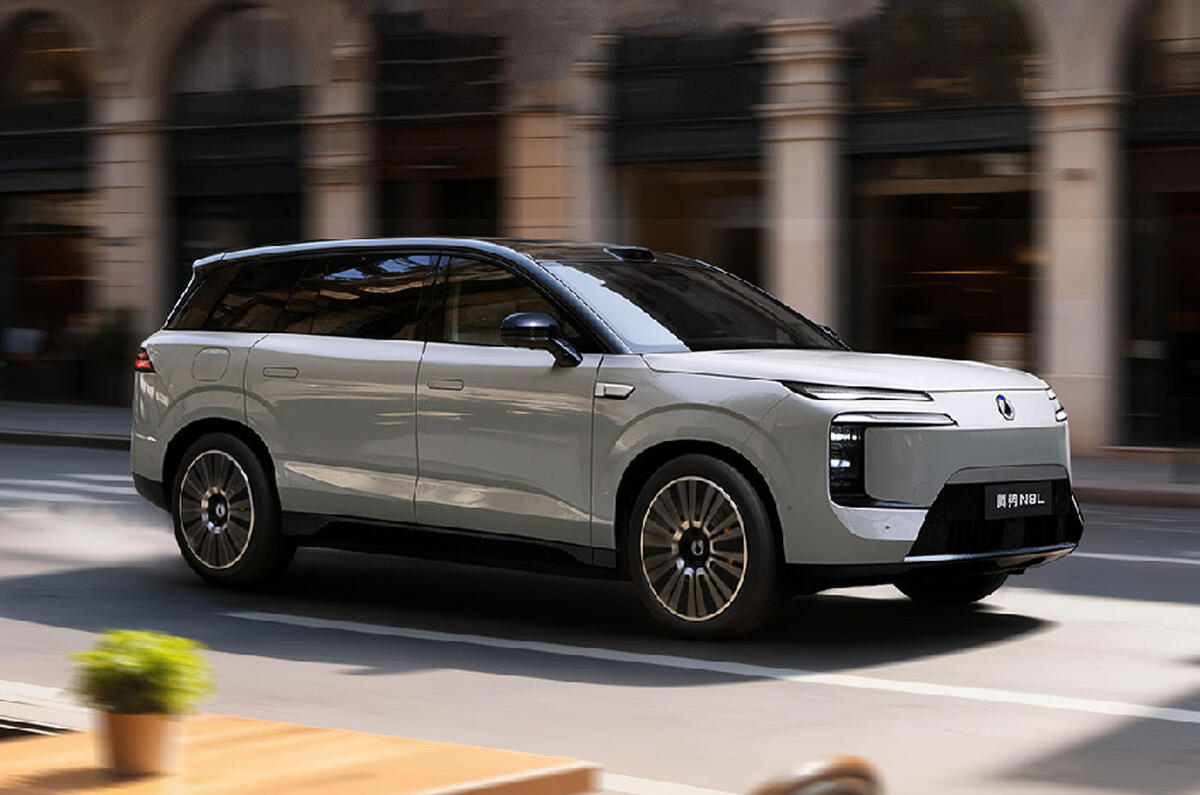
BYD's premium sub-brand Denza has recently launched the refreshed N8L PHEV SUV in China, generating significant buzz in the electric vehicle (EV) market. The vehicle promises a 728 kW flash charging capability, 430 km EV range, and a price tag starting from 47,200 USD. But what lies beneath these impressive claims?
The Deep Dive
The Denza N8L PHEV SUV features a 2.0-litre turbo PHEV powertrain, a 1000V architecture, and a lithium iron phosphate (LFP) battery with a capacity of 75.26 kWh. According to the source article, the vehicle's CLTC EV range has increased from 230 km to 430 km, a significant improvement. The SUV also supports DC fast-charging with a maximum power of 728 kW, allowing for a 5-minute charge from 10% to 70% and a 9-minute charge from 10% to 97%.
Audit & Contradictions
While the specifications of the Denza N8L PHEV SUV are undoubtedly impressive, some claims raise eyebrows. The 728 kW flash charging capability is unusually high and may be subject to technical limitations or specific testing conditions. Additionally, the 60% increase in battery capacity from 46.99 kWh to 75.26 kWh seems feasible but may depend on various factors such as cell chemistry and pack design. The flash charging claims also require verification through real-world testing or official documentation.
Future Outlook
The launch of the Denza N8L PHEV SUV marks a significant milestone for BYD's premium sub-brand. As the EV market continues to evolve, competitors will need to keep pace with the technological advancements and marketing strategies employed by Denza. The company's ability to deliver on its promises will be crucial in maintaining consumer trust and establishing a strong foothold in the market.
As the electric vehicle market continues to grow, manufacturers must balance innovative technology with realistic claims and transparent communication.
The Denza N8L PHEV SUV is a noteworthy addition to the EV market, but its true value lies in its ability to deliver on its promises. As the industry continues to shift towards more sustainable and efficient vehicles, the scrutiny on manufacturers will only intensify.