Lead Hook
When Tesla filed a trademark for a product called Megapod in the United States, the tech world paused. According to the Electrek article, the filing describes a modular data‑center system that bundles servers, networking, power distribution, and cooling—essentially a ready‑to‑deploy AI compute platform. The move could position Tesla as a direct competitor to Nvidia’s dominant GB200 and DGX SuperPOD, but the company’s public track record suggests a more cautious approach. This investigation peels back the layers of the Megapod claim, revealing the real technical, economic, and regulatory forces at play.
The Deep Dive
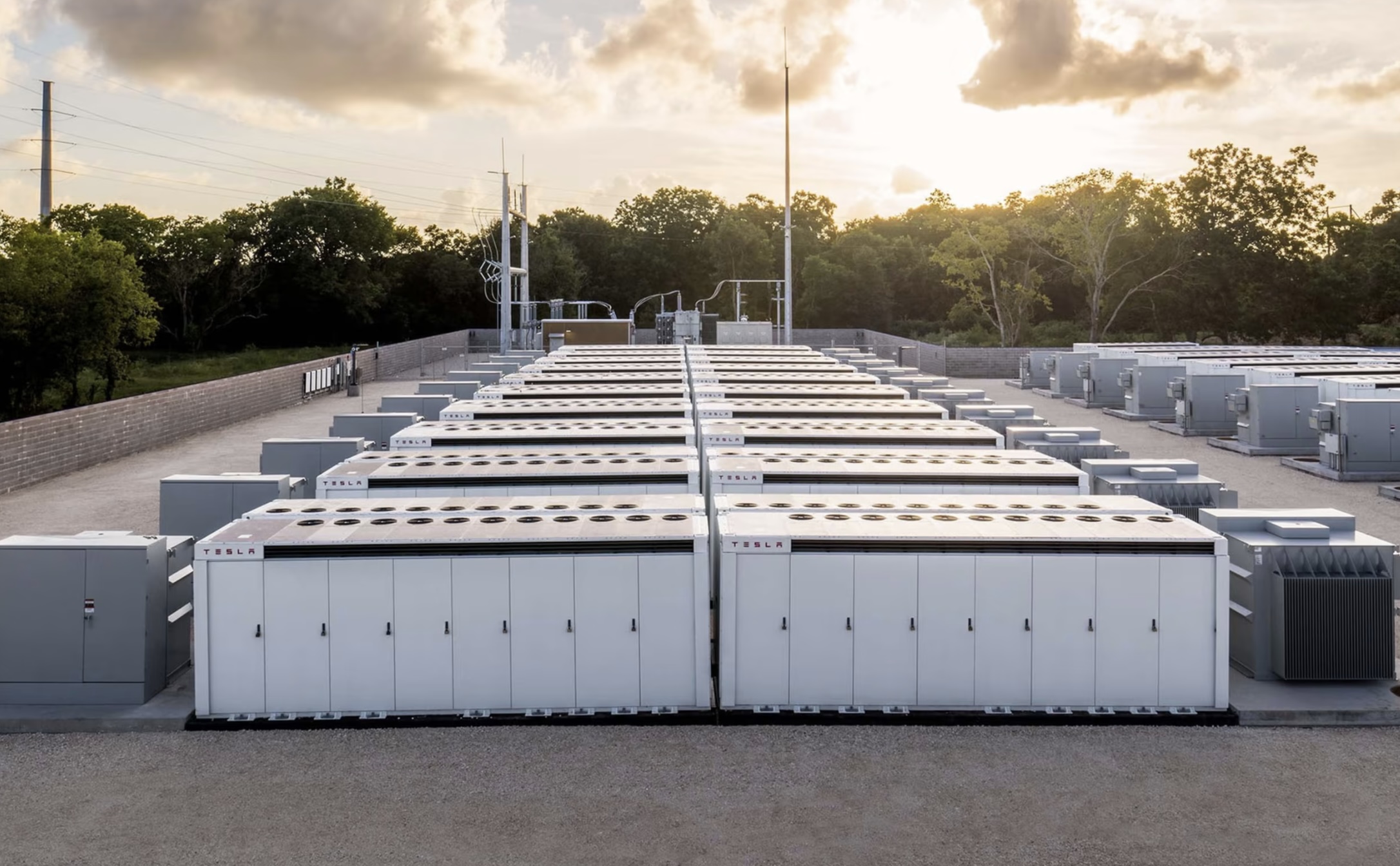
Tesla’s trademark filing, serial number 99893717, is a formal step that signals intent to market a new hardware line. The description covers modular data‑center hardware systems for AI computing, including servers, networking, power distribution, and cooling. While the filing itself is a legal formality, it does not confirm production readiness or a launch date. The company’s existing Megapack and Megablock energy‑storage products are already sold to AI data‑center operators such as xAI, demonstrating Tesla’s experience in power electronics for high‑density compute environments. However, the leap from energy storage to full compute hardware is substantial. Tesla’s current AI infrastructure relies heavily on Nvidia GPUs. The company has not announced any in‑house GPU designs, and its public statements confirm that it purchases Nvidia hardware for training its neural networks. The Electrek article’s claim that Tesla’s Texas cluster uses roughly 67,000 Nvidia H100‑equivalent GPUs is unverified and lacks any supporting data from Tesla or independent observers. Even if such a cluster existed, it would still be powered by Nvidia, not Tesla, underscoring the gap between the Megapod narrative and the company’s actual supply chain. From a supply‑chain perspective, building a modular AI data‑center platform requires deep expertise in silicon design, high‑speed interconnects, and thermal management. Nvidia’s GB200 and DGX SuperPOD have spent years refining these components, and their market dominance reflects that investment. Tesla’s foray would need to overcome significant engineering bottlenecks, including chip design (the rumored AI5 and AI6 are unverified), cooling solutions, and software stack integration. The company’s history of rapid prototyping in automotive and energy sectors suggests it could iterate quickly, but the lack of public milestones raises questions about feasibility. Regulatory and environmental considerations also loom large. Modular data‑center systems must meet stringent energy‑efficiency standards and comply with local data‑center regulations. Tesla’s experience with Gigafactory power distribution could provide a competitive edge, yet the company would still need to navigate complex certification processes that Nvidia has already mastered.
Audit & Contradictions
According to the Electrek article, Tesla has filed a trademark for Megapod and claims it will replace its Dojo supercomputer by August 2025. No public evidence supports the cancellation of Dojo, and the company has not issued any official statement about discontinuing the platform. The article also alleges that Tesla’s AI5 chip has been delayed and that AI6 is behind schedule; again, there is no corroborating data from Tesla or credible third‑party sources. The claim that Tesla’s Texas AI training cluster uses 67,000 Nvidia H100‑equivalent GPUs is unverified and likely exaggerated. Finally, the article positions Tesla as a direct competitor to Nvidia in AI compute hardware, yet Tesla currently purchases Nvidia GPUs rather than selling competing hardware. These contradictions highlight a pattern of speculative reporting that may inflate Tesla’s ambitions. While the trademark filing is a verifiable fact, the surrounding narrative appears to conflate intent with capability.
Future Outlook
If Tesla proceeds with Megapod, the company could tap into a growing market for modular AI compute, especially as enterprises seek flexible, energy‑efficient solutions. However, the path to market will require overcoming significant technical hurdles, securing supply‑chain partnerships, and navigating regulatory approvals. Competitors like Nvidia will likely respond with new product iterations, potentially accelerating the pace of innovation. For Tesla, the Megapod initiative could diversify revenue streams beyond automotive and energy storage, but the company must manage investor expectations carefully. The current lack of concrete milestones suggests that Megapod remains a long‑term vision rather than an imminent product launch. In the broader context, the Megapod story underscores the tension between corporate ambition and market realities. As AI workloads grow, the demand for modular, high‑density compute will only intensify, creating opportunities for firms that can deliver reliable, scalable solutions. Whether Tesla can translate its trademark filing into a competitive product remains to be seen.
Source: Electrek