India's Electric Vehicle Ambitions Hit Roadblock: Battery PLI Scheme Stumbles
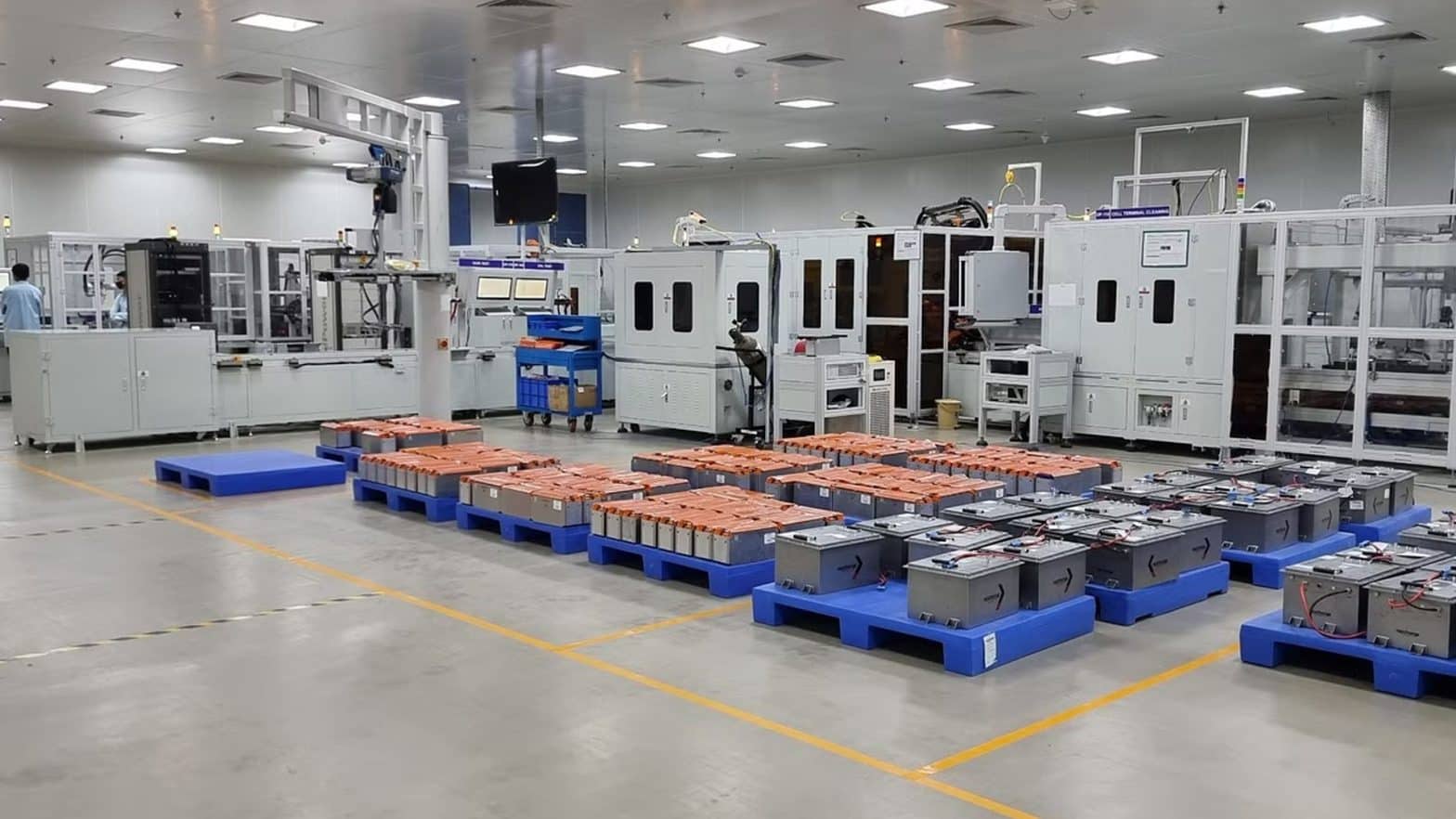
India's ambitious plan to boost domestic battery manufacturing has hit a roadblock. The ₹18,100 crore Advanced Chemistry Cell (ACC) battery manufacturing Production Linked Incentive (PLI) scheme, aimed at creating 40 GWh of domestic ACC manufacturing capacity, has faced significant delays. As of now, only 1.4 GWh of capacity is operational, with Ola Electric being the lone producer.
The Deep Dive: Technical, Economic, and Regulatory Mechanics
The scheme, launched to reduce dependence on China for battery technology and raw materials, has struggled with supply chain bottlenecks. According to the Economic Times, the Ministry of Heavy Industries has been issuing quarterly penalty notices to defaulting companies but has not collected any penalties due to pending extension requests. The government's proposed ₹12,000 crore scheme for battery components is at the inter-ministerial consultation stage, but a timeline for its approval is not clear.
Audit & Contradictions: Claims vs Realities
The article highlights several contradictions and unverified claims. For instance, Rajesh Exports is under investigation by SEBI for alleged non-transparent related-party transactions and circular fund routing, but there is no clear resolution to these allegations. Furthermore, the article states that the government's proposed scheme for battery components is at the inter-ministerial consultation stage but does not provide a timeline for its approval.
Future Outlook: Long-term Implications for Competitors and Markets
The delays and challenges faced by India's ACC battery manufacturing PLI scheme have significant implications for the country's electric vehicle ambitions. With only 1.4 GWh of operational capacity, India is far from its goal of 40 GWh. The scheme's success is crucial for reducing dependence on China for battery technology and raw materials. Industry observers note that the government's support is essential for the growth of the domestic battery manufacturing industry.
- Key Takeaways:
- India's ₹18,100 crore battery PLI scheme faces significant delays.
- Only 1.4 GWh of capacity is operational, far from the 40 GWh goal.
- The scheme's success is crucial for India's electric vehicle ambitions.