Renault's Electric Gambit: How Twingo's Battery Tech Could Shake Up the EV Market
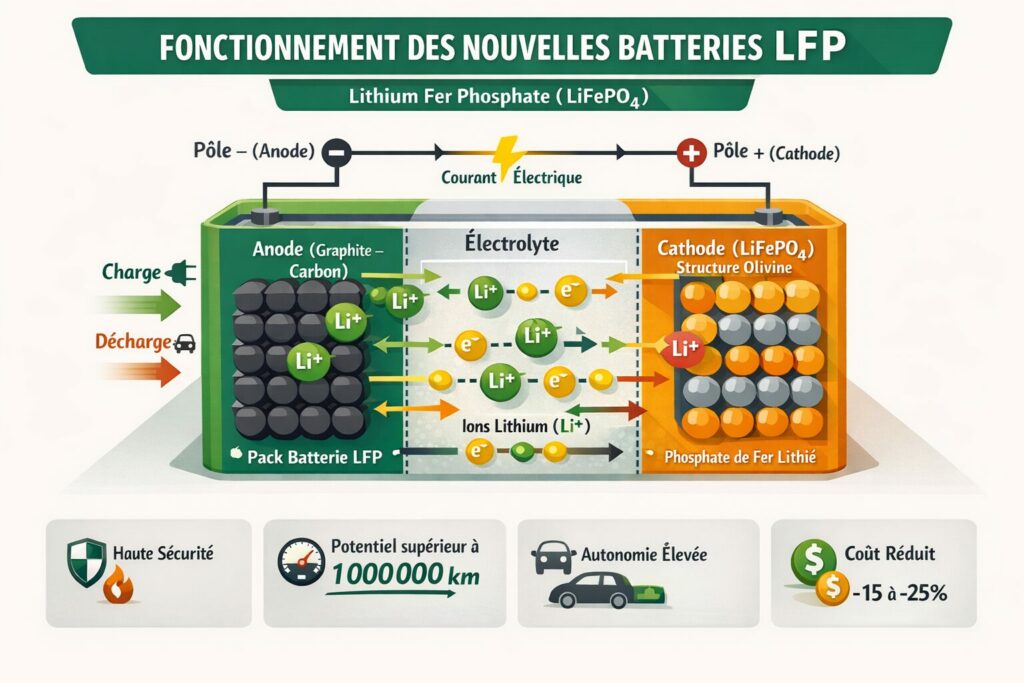
Renault is reportedly planning to leverage Twingo's battery technology to make its Renault 4 and 5 models even more affordable. The move involves using Lithium‑Iron‑Phosphate (LFP) batteries in the Urban Range versions of these vehicles, a strategy that could significantly impact the electric‑vehicle (EV) market.
The Drive for Cost Reduction
According to the source article, Renault UK managing director Adam Wood said LFP technology will be used in future Urban Range versions of the Renault 4 and Renault 5. This aligns with Renault's publicly recorded strategy to introduce LFP cells in cost‑sensitive models. LFP batteries are cheaper and less material‑intensive than Nickel‑Mangan‑Cobalt (NMC) batteries because they avoid the use of cobalt and nickel.Source
Technical and Economic Implications
The use of LFP batteries in EVs is not new; Renault already introduced LFP cells in the Zoe. However, swapping a 40 kWh NMC pack for an LFP pack of identical capacity without increasing pack size or weight is challenging. LFP cells have roughly 10‑15 % lower energy density, which typically requires a larger or heavier pack to maintain the same kWh. This could affect vehicle packaging and potentially offset some of the cost savings.
Audit & Contradictions
The source article makes several claims that require scrutiny. For instance, it states the Renault 5 was the top‑selling private electric car in the UK in April 2026, but no independent sales data corroborates this. It also references a “£3,750 Band 1 grant,” which is outdated; the current UK plug‑in car grant is £2,500 for eligible cars. Additionally, the claim that the Renault 4 is only available in a Comfort‑Range version in the UK cannot be confirmed from Renault's published UK lineup.
Future Outlook
The strategic direction Renault is taking with LFP batteries is credible, but the company must navigate the challenges associated with this technology. As the EV market continues to evolve, cost reduction will be crucial for mass adoption. Renault's gamble with LFP batteries could pay off, but it also poses significant technical and economic challenges. Competitors will be watching closely to see how this strategy plays out.
Renault's move could have broader implications for the EV market, particularly in terms of supply‑chain dynamics and raw‑material sourcing. As more manufacturers explore alternative battery chemistries, demand for certain materials could shift, leading to a more complex global supply chain.